Smoked Birch Wood
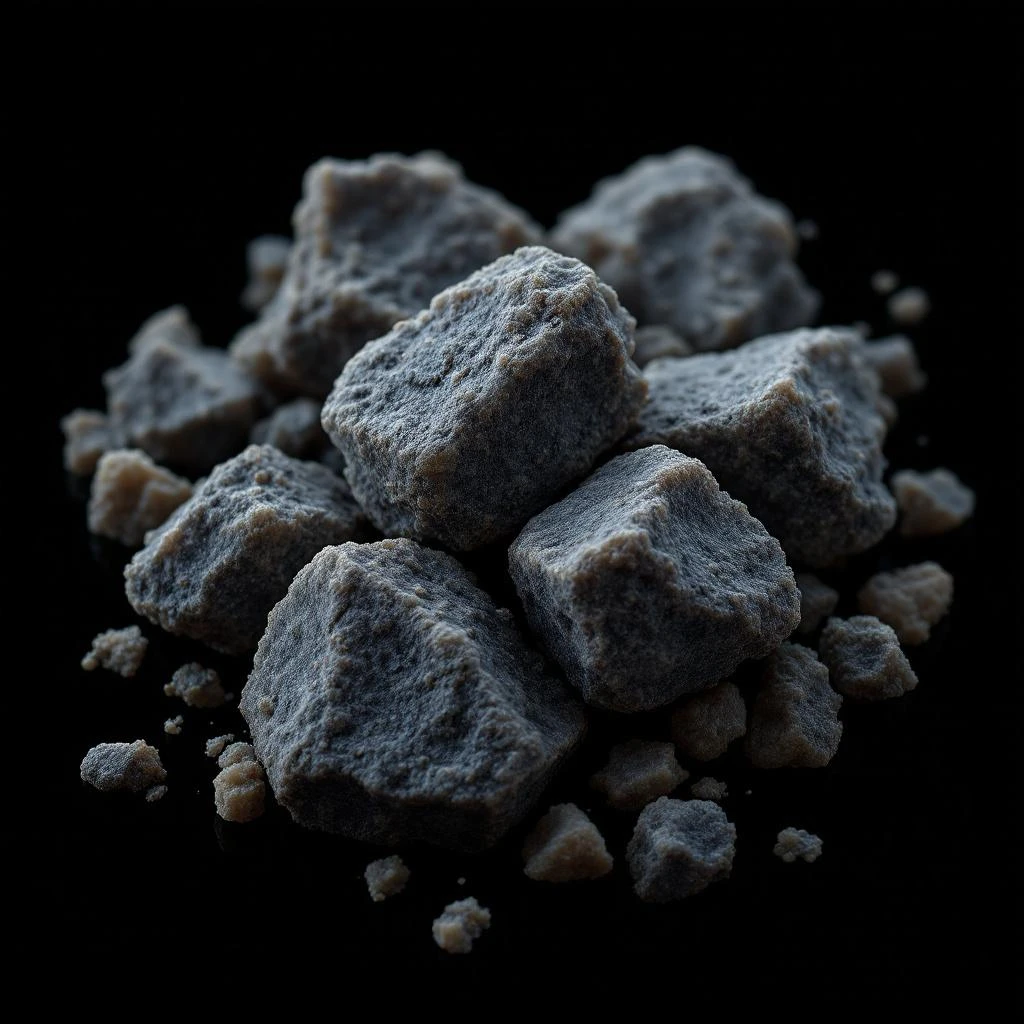
Birch tar oil delivers a distinctive smoked wood note that sits at the intersection of leather, rubber, and charred bark. Perfumers prize this material for its raw, elemental character.
Character
How it smells
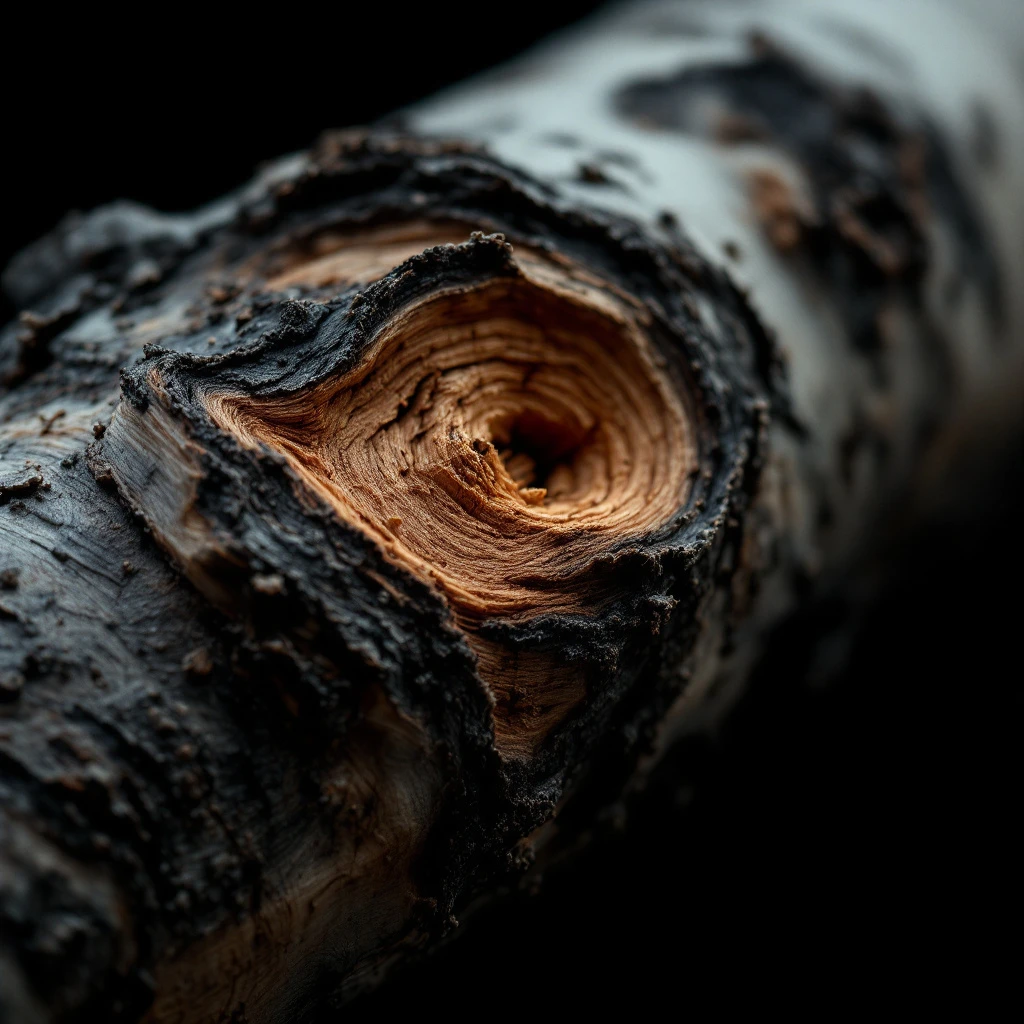
Charred bark, leather, and woodsmoke in one ingredient.
Sami tanners in northern Scandinavia used birch tar smoke to waterproof leather for centuries before perfumery discovered its aromatic depth.






Origin
Russia
Smoke entered human experience the moment our ancestors mastered fire. Archaeological evidence from northern Europe shows that prehistoric communities burned birch wood and encountered its distinctive smoke, which carried more than warmth. They noticed the smoke preserved meat, protected hides, and created materials resistant to rot. This practical discovery preceded perfumery by millennia.
Scandinavian cultures, particularly the Sami people, developed birch tar production into an art. They treated leather with tar smoke, producing water-resistant gear suited to harsh northern winters. Russian craftsmen adopted similar techniques, earning birch tar a reputation across eastern and northern Europe. When European perfumers began systematically sourcing natural materials in the 18th and 19th centuries, they encountered birch tar through these leather-working traditions.
The smoky, leathery quality fascinated them. Early adoption in Russian leather perfumes established birch tar as an exotic accent note. Modern niche perfumery continues this lineage, using birch tar to introduce authentic smoke without relying on synthetic recreations.
Wears it best
Fragrances featuring Smoked Birch Wood

Brands
Brands known for Smoked Birch Wood
Good to know
Questions, answered
The essentials on Smoked Birch Wood in perfumery: how it smells, where it comes from, and how it behaves on skin.
What exactly is smoked birch wood in perfumery?
Smoked birch wood refers to birch tar oil, extracted by heating birch wood in the absence of oxygen. The resulting material carries smoky, leathery, and slightly medicinal qualities that perfumers use to create depth in masculine and atmospheric fragrances.
How does destructive distillation differ from steam distillation?
Destructive distillation heats wood to decomposition in sealed containers without water or steam present. Standard steam distillation uses water vapor to carry volatile compounds. Destructive distillation creates different breakdown products, yielding the characteristic smoky molecules found in birch tar.
What gives birch tar its distinctive smoky smell?
Guaiacol and cresol compounds form during the thermal breakdown of lignin in birch wood. These phenolics create the characteristic smell of wood smoke, leather, and a faint rubbery quality that distinguishes birch tar from other smoky materials like cade or incense.
Is birch tar oil synthetic or natural?
Birch tar oil used in perfumery is entirely natural, sourced through the destructive distillation of birch wood. No synthetic equivalent captures its full complexity. Quality varies by producer and geographic origin of the birch.
What fragrances traditionally feature birch tar?
Birch tar appears in masculine orientals, chypres, and leather-style fragrances. It adds atmospheric smoke to perfumes like those in the Russian leather tradition and modern interpretations that seek authentic smoky depth over synthetic alternatives.
How should birch tar oil be stored?
Store birch tar oil in dark glass containers away from heat and light. The material oxidizes slowly over time, which gradually shifts its aroma. Proper storage preserves its fresh smoky character for several years.
What complementary notes pair well with birch tar?
Birch tar harmonizes with leather, vetiver, smoke, and other woody materials. In masculine compositions it supports amber and spices. The material performs well in both fine fragrance and candle applications.
Why is birch tar considered a rare perfumery ingredient?
The slow destructive distillation process requires significant quantities of wood and extended processing time. Production remains concentrated in regions where birch grows abundantly, primarily northern Europe and Russia. These factors limit global supply compared to more widely available essential oils.