Blood
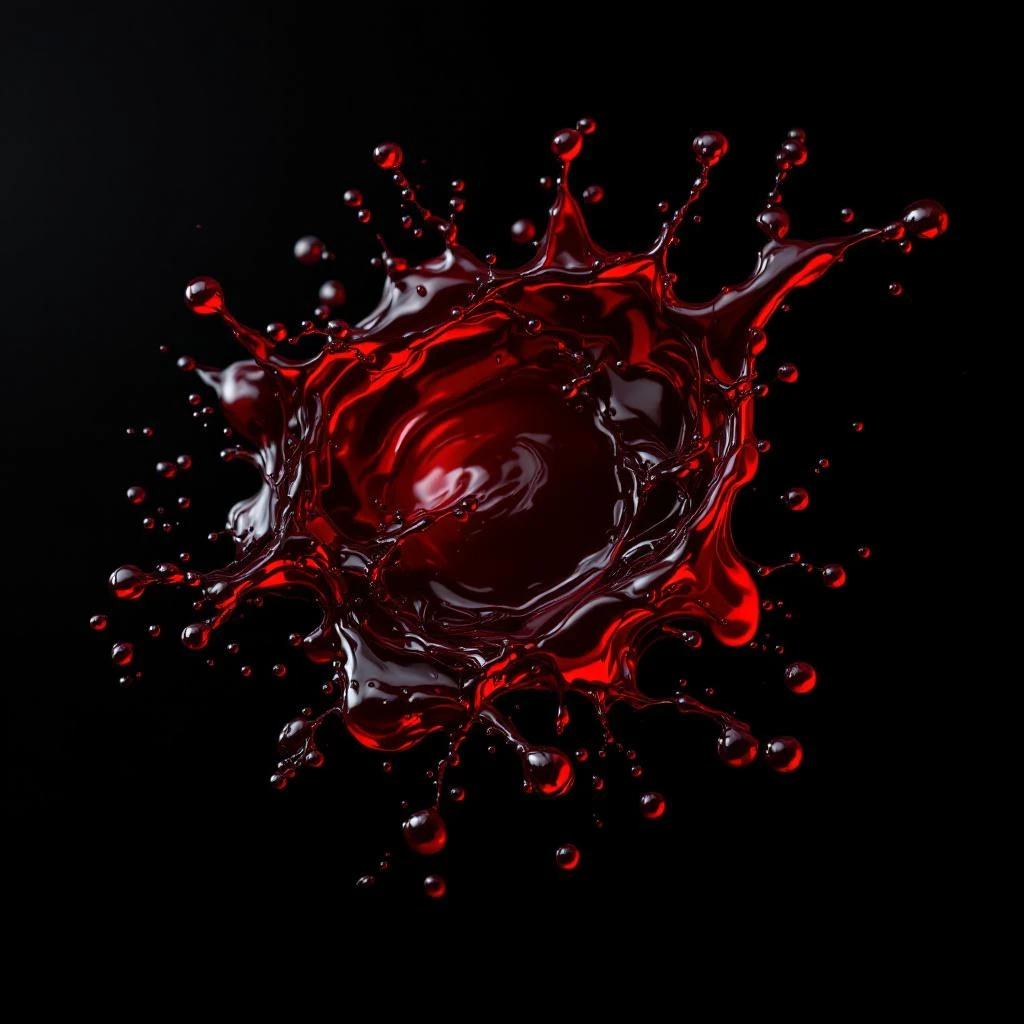
Animalic, metallic, visceral. Blood captures the primal edge of human biology—the iron-and-sweat warmth of skin at its most raw and honest.
Character
How it smells
The scent of being alive.
No actual blood appears in modern perfumery. Perfumers reconstruct its effect using metallic aldehydes and cumin, achieving the visceral iron-and-warmth note entirely through synthetic chemistry.





Origin
France
Blood has held profound symbolic weight across human cultures for millennia, associated with life, death, and the raw forces of existence. Ancient civilizations incorporated animal blood into ritual practices, viewing it as a source of vitality and spiritual connection. In perfumery's early history, blood's essence appeared indirectly through animal-derived materials like castoreum from beavers and the secretions of other creatures.
These materials were prized for their animalic warmth and the visceral quality they lent to fragrances. The material remained rare and costly, reserved for compositions that sought primal power. Modern chemistry transformed this landscape.
Advances in organic synthesis enabled perfumers to isolate and recreate the specific molecules that produce blood's distinctive character—its metallic edge, its warm undertone, its connection to living skin. Today, perfumers construct blood entirely through synthetic chemistry, achieving an effect that would have seemed impossible to pre-modern noses. This reconstruction allows the note to appear in contemporary fragrances while respecting both ethical considerations and the demands of modern wildlife conservation.
Wears it best
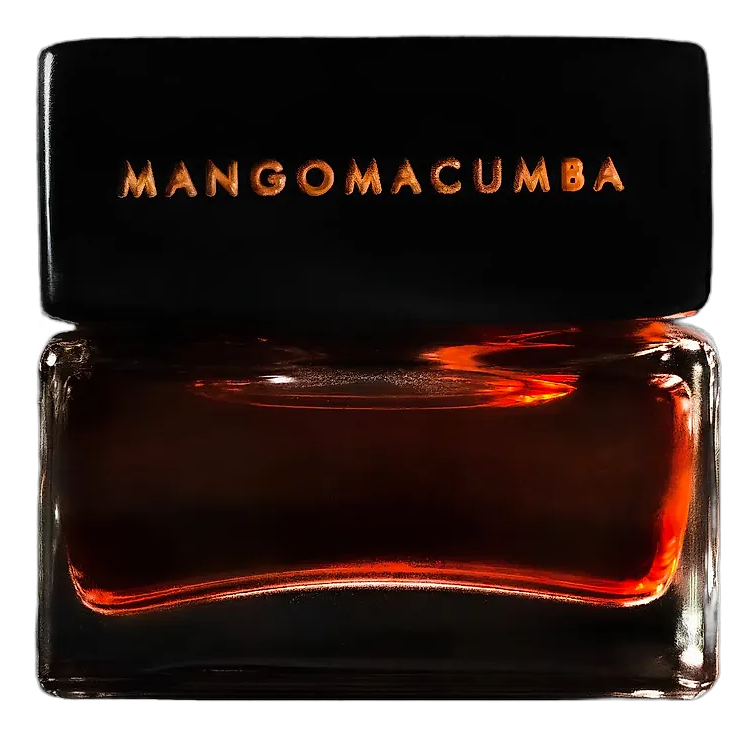
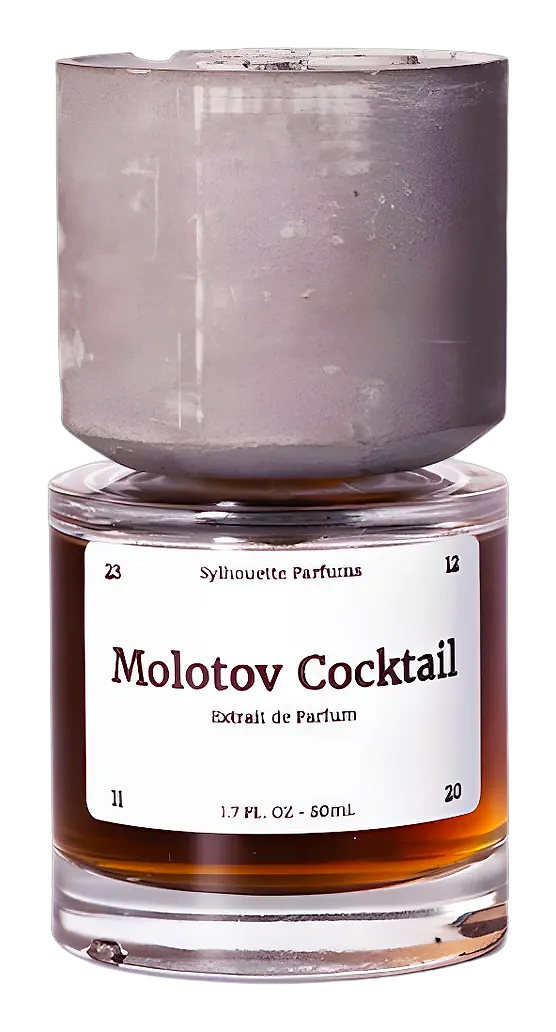
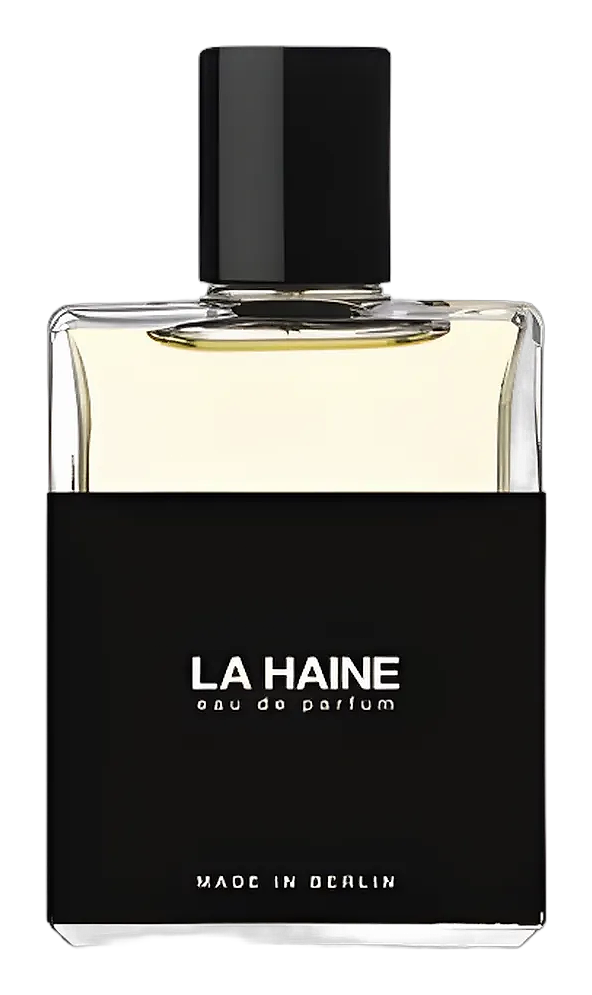
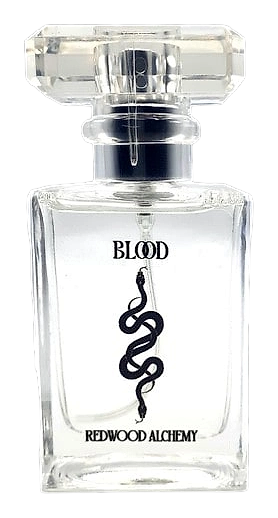
Fragrances featuring Blood
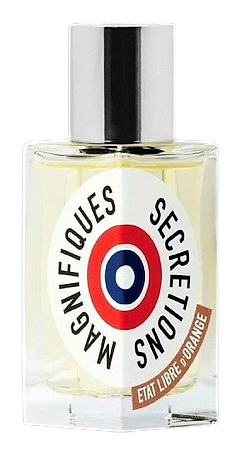
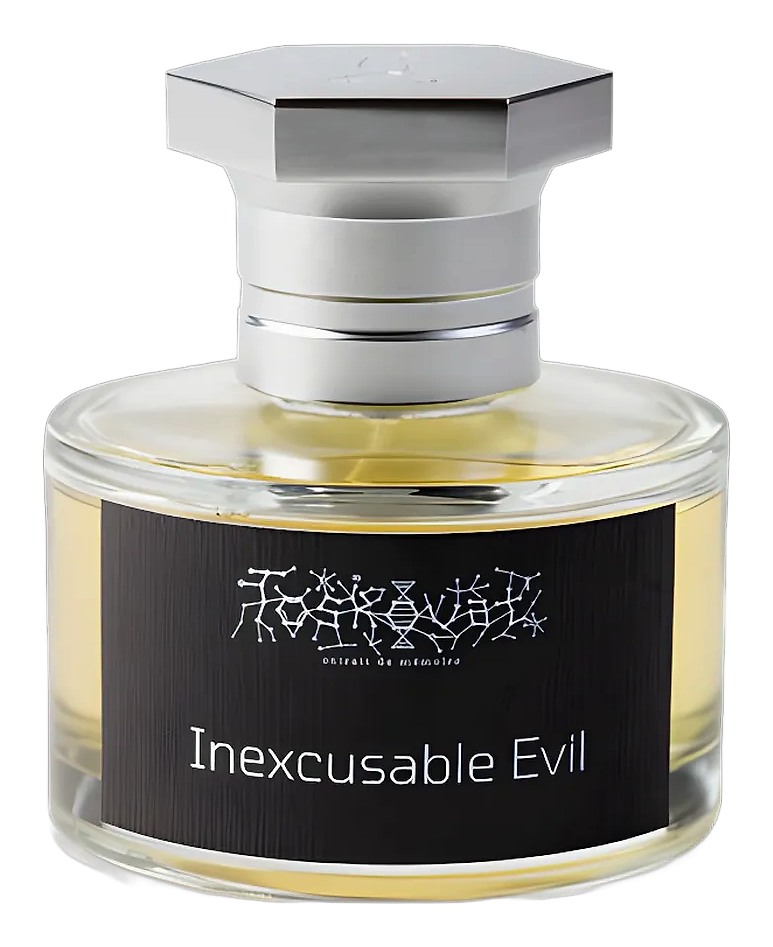

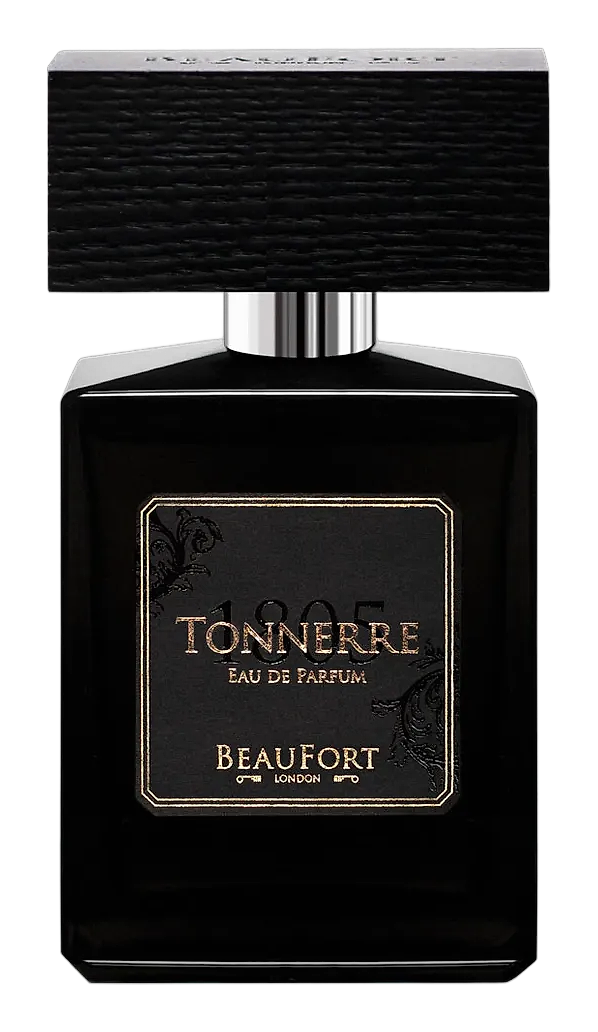
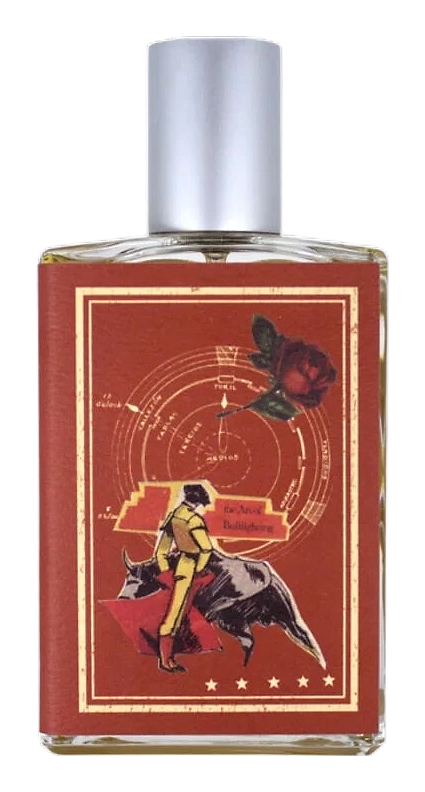
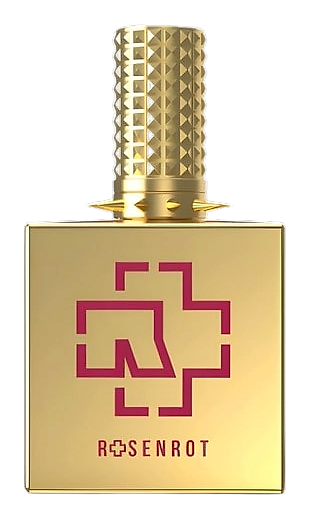
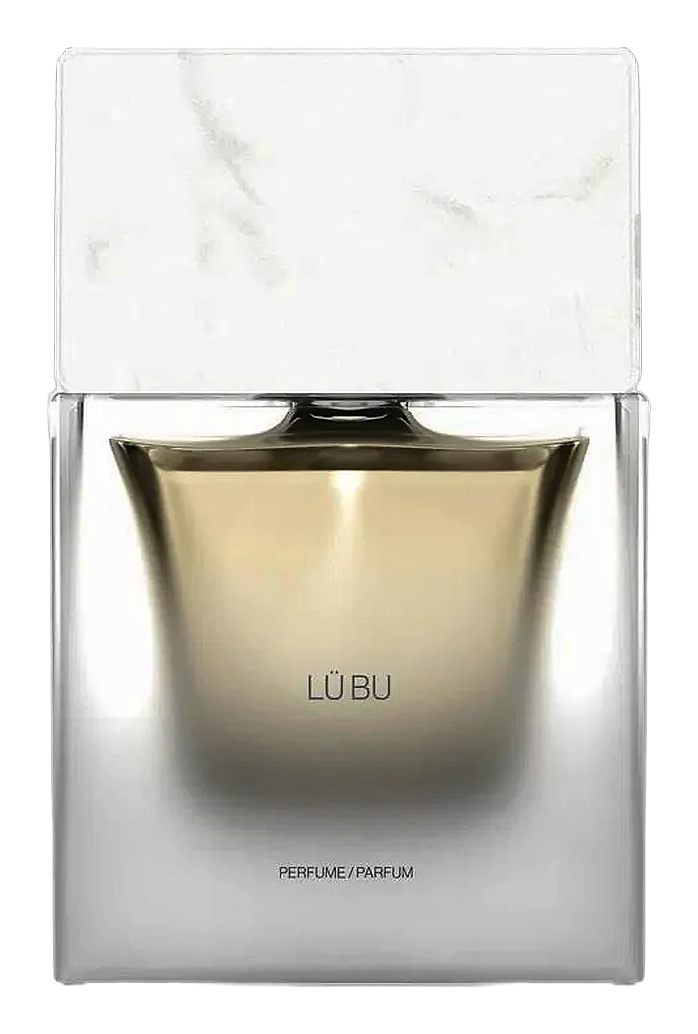
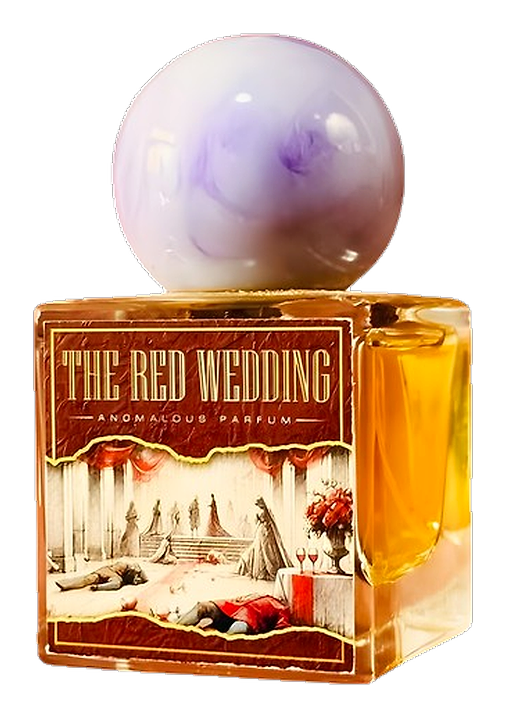
Good to know
Questions, answered
The essentials on Blood in perfumery: how it smells, where it comes from, and how it behaves on skin.
What does blood smell like in perfumery?
Blood in perfumery smells metallic and warm, with an iron-and-sweat character. It combines green notes from cis-3-hexenol, metallic aldehydes, and cumin's sweat-skin facet for a visceral human quality.
Is real blood actually used in fragrance production?
No. Modern perfumery uses synthetic reconstruction to create blood's effect. Molecules like metallic aldehydes and cis-3-hexenol capture the characteristic iron-and-warmth without any animal products.
What creates the metallic quality in blood notes?
Metallic aldehydes and iron-tangent molecules create the copper-and-iron signature. These synthetic materials precisely mimic blood's distinctive metallic character without ethical concerns.
How do perfumers construct blood notes?
Perfumers blend multiple molecules: cis-3-hexenol for green-metallic quality, metallic aldehydes for iron character, and cumin for sweat-skin warmth. These combine with castoreum replacements and dark woods in transgressive animalic compositions.
Which fragrance families use blood notes?
Blood appears primarily in animalic and leather compositions. It also surfaces in dark florals, orientals, and occasionally men's fragrances seeking primal intensity.
What dosage level creates the blood effect?
At micro-dosage, blood adds subliminal warmth-and-iron undertone beneath skin musks. At higher levels, it dominates with raw, visceral character. Most perfumers use it as a supporting base note.
What olfactory qualities define blood?
Blood registers as metallic first—iron and copper. Green and animalic undertones follow, with a fatty warmth suggesting living skin. The overall effect evokes raw, primal energy.
What's the history of blood in perfumery?
Ancient cultures used animal blood in rituals. Perfumery historically employed animalic materials like castoreum for similar effect. Modern chemistry now reconstructs blood entirely through synthetic molecules, achieving the effect without animal sourcing.