Smoked Sage
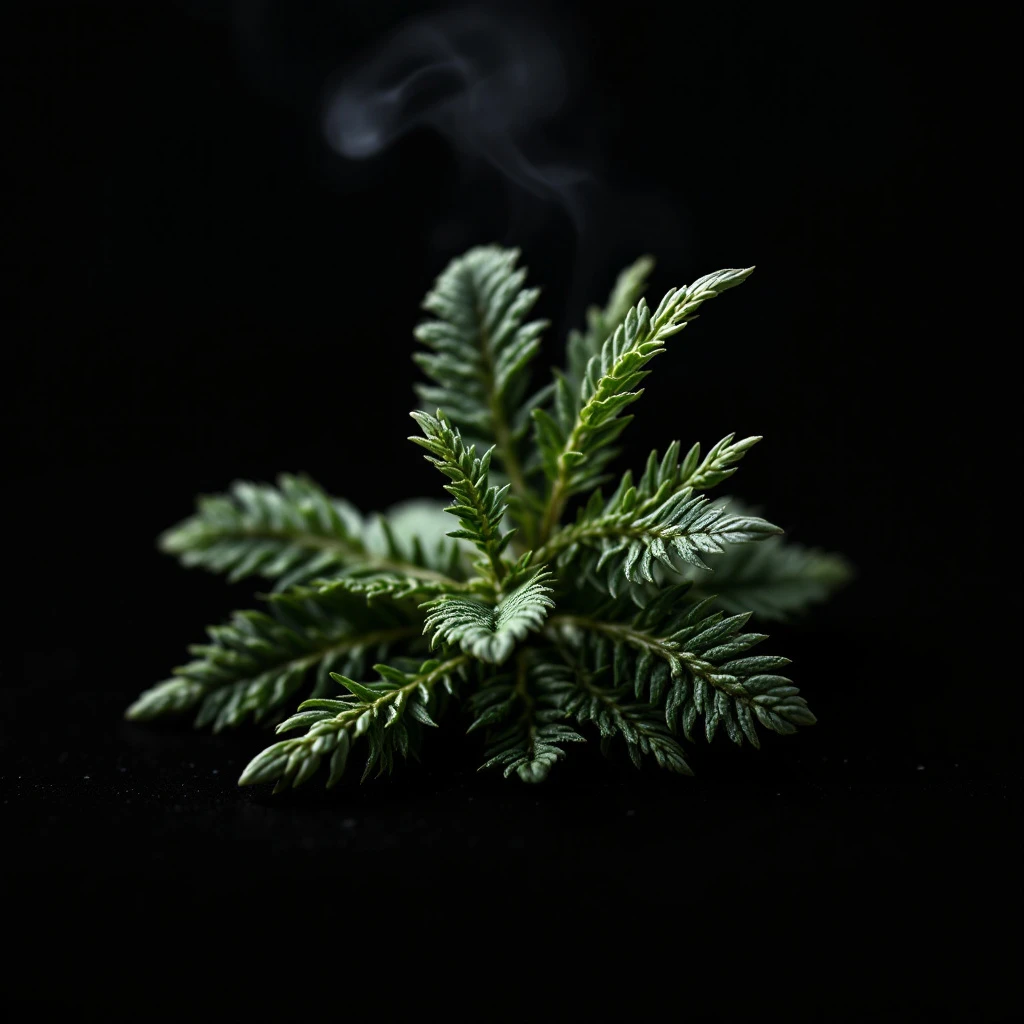
Smoked sage captures the primal elegance of burning herbs, a fragrance note that bridges the gap between ancient ritual and modern perfumery. It brings warmth, depth, and an almost meditative calm to compositions.
Character
How it smells
Sage that carries the memory of embers.
The word 'sage' shares the same Latin root as 'salvation'—Salvia officinalis was once believed to heal nearly everything, earning it the name 'sacred herb.'


Origin
France
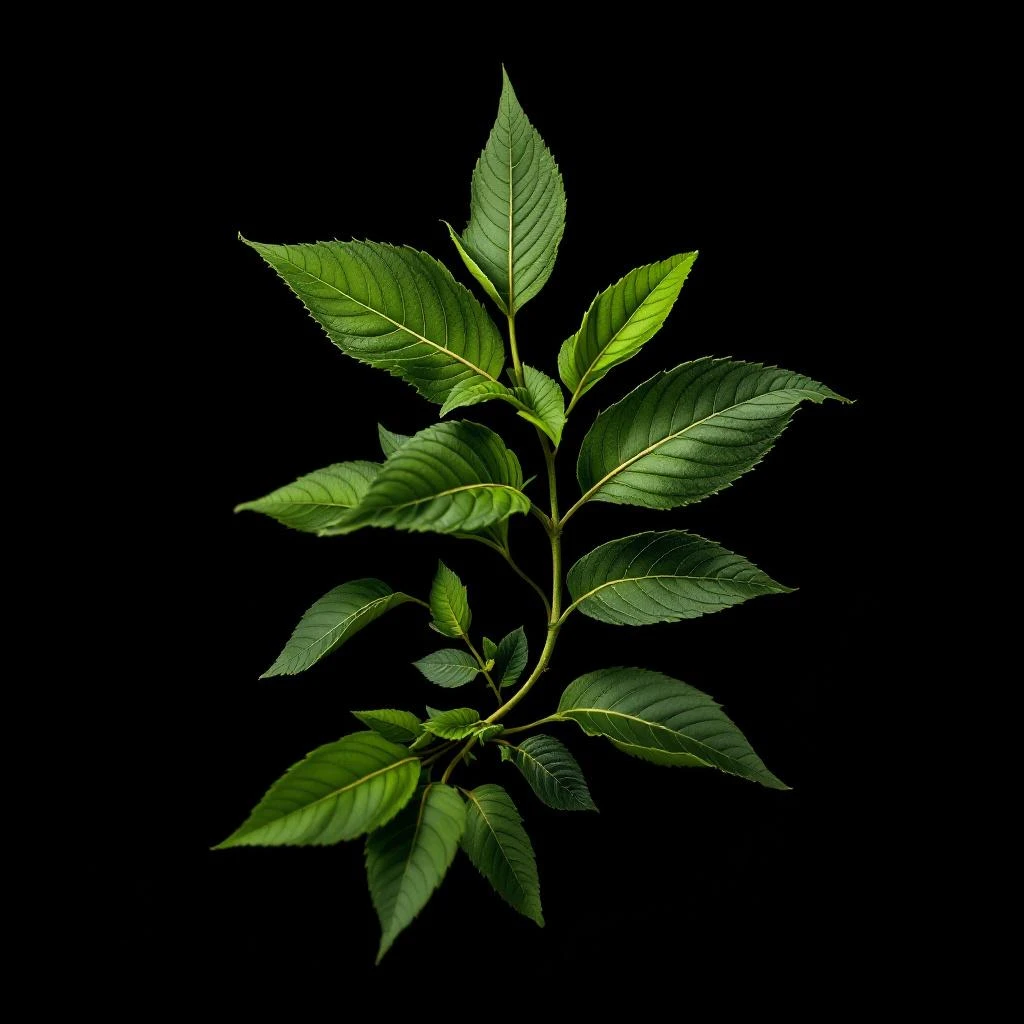
Sage has been central to Mediterranean plant culture for thousands of years. Ancient Egyptians burned sage as incense during healing rituals, believing its smoke carried purifying properties. In ancient Rome, physicians like Galen catalogued sage's medicinal uses, while Roman soldiers placed sage leaves in their sandals to freshen feet during long marches.
The plant grows wild across southern France's limestone hillsides, particularly in the regions between Montélimar and the plains of Valensole, where warm summers and well-drained soils produce intensely aromatic specimens. Medieval herbalists carried dried sage pouches as protective talismans. By the 19th century, when modern perfumery emerged in places like Grasse, perfumers began incorporating sage extracts into aromatic compositions, discovering that sage could anchor a fragrance with an earthy, grounding presence.
The smoked variant gained particular prominence in 20th-century masculine fragrances and chypre compositions, valued for the way it mimics the primal comfort of a crackling fire.
Wears it best
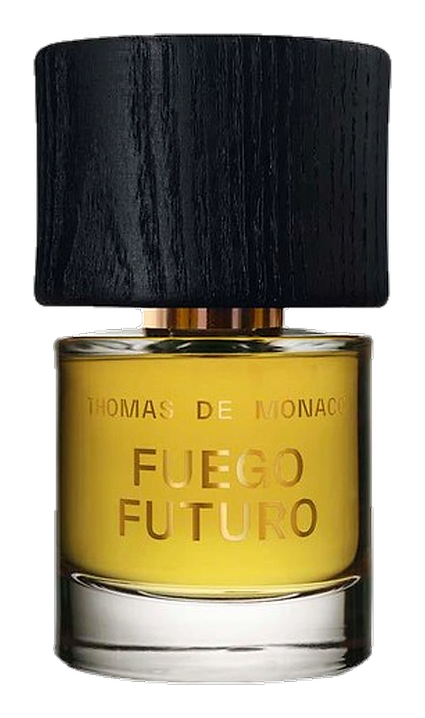
Fragrances featuring Smoked Sage
Brands
Brands known for Smoked Sage
Good to know
Questions, answered
The essentials on Smoked Sage in perfumery: how it smells, where it comes from, and how it behaves on skin.
What is smoked sage in perfumery?
Smoked sage refers to sage extracts, usually from clary sage (Salvia sclarea), that carry a distinctive smoky, slightly resinous character. It adds warmth and earthiness to fragrance compositions. The smoky quality may come from specific drying methods or from the natural aromatic profile of the plant.
How does smoked sage differ from white sage?
White sage (Salvia apiana) is primarily used in smudging rituals and is not common in perfumery. Smoked sage in fragrance context typically refers to clary sage with a smoky character, which is the workhorse of sage perfumery, grown extensively in southern France.
What fragrances feature smoked sage?
Smoked sage appears in aromatic and fougère fragrances as a supporting note. It pairs well with lavender, rosemary, and herbal accords. It also works in woody and chypre compositions where its campfire-like warmth adds depth without dominating the blend.
Is smoked sage a natural or synthetic ingredient?
Smoked sage is typically derived from natural clary sage via steam distillation. Some perfumers also use natural smoking techniques during processing to enhance the smoky character. Synthetic smoke notes exist but lack the complexity of naturally sourced material.
What does smoked sage smell like?
Smoked sage opens with a fresh, herbaceous brightness before revealing a warm, ashy core. It carries undertones of camphor, earth, and subtle floral sweetness from the clary sage base. The overall effect is meditative and grounding.
What extraction method produces smoked sage?
Steam distillation is the primary method. Pressurized steam passes through harvested clary sage flowering tops, vaporizing aromatic compounds. The vapor condenses, separating into essential oil and hydrosol. Some producers add a gentle smoking step during drying to enhance the characteristic note.
Where does the best smoked sage material come from?
Southern France remains the primary source for high-quality sage extracts. The limestone-rich soils and Mediterranean climate of regions like Provence produce sage with exceptionally rich aromatic profiles. Clary sage is also cultivated in Russia and Bulgaria.
How should I identify smoked sage in a fragrance's pyramid?
In a fragrance's heart or base notes, smoked sage reads as an aromatic, ashy warmth. It rarely appears as a top note because its character needs time to develop. Check for it alongside lavender, bergamot, or woody base notes in aromatic fragrances.