Prune
Prune offers a deep, sun‑kissed fruit aroma that bridges sweet and slightly fermented tones, delivering a velvety richness that anchors modern fragrance compositions and invites the senses to linger on a warm, orchard‑like memory.
Character
How it smells
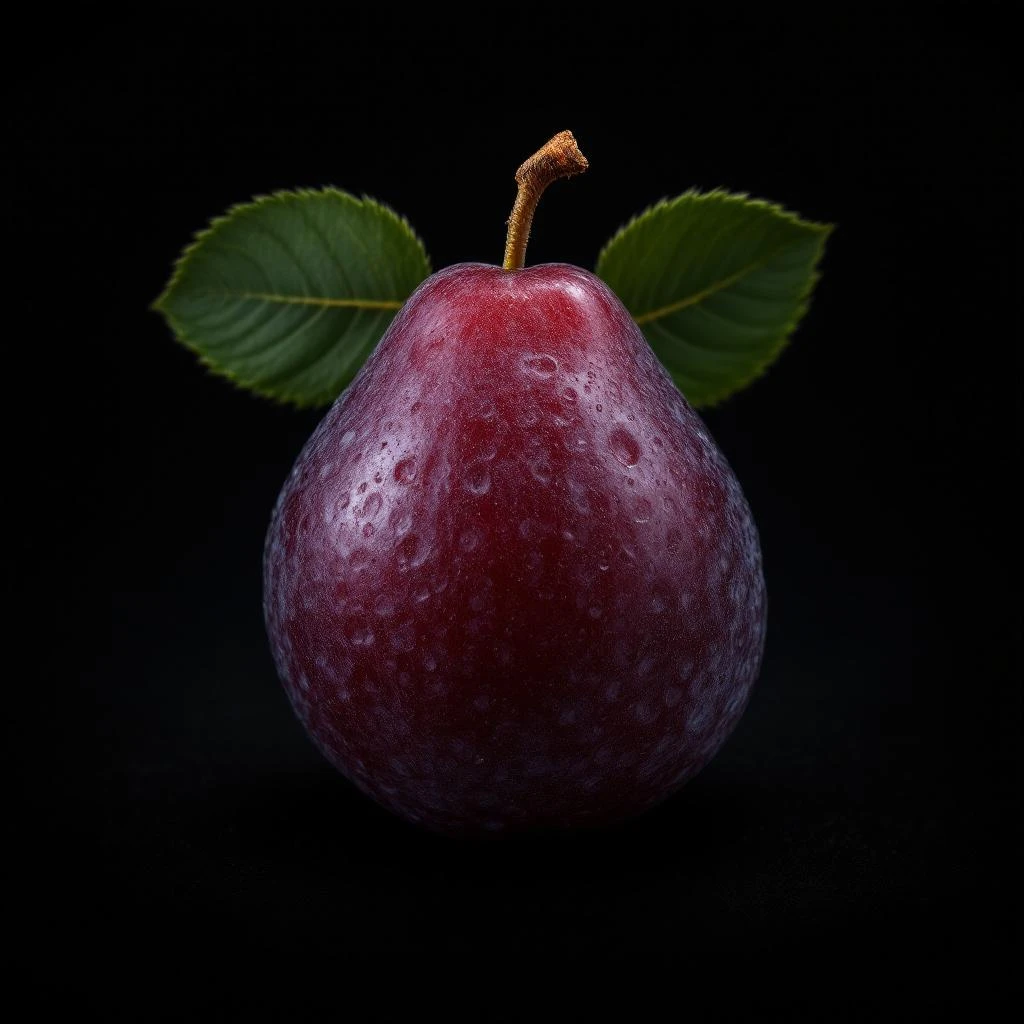
Sun‑kissed fruit depth in a single note.
Prune absolute derives from dried European plums, and a single kilogram of dried fruit can yield up to 15 ml of precious oil, making it one of the most concentrated fruit extracts used in perfumery.








Origin
France
Plums have flavored culinary creations since ancient Mesopotamia, but their fragrant potential entered perfume labs during the medieval period when apothecaries experimented with fruit macerations. By the 18th century, French artisans in Grasse began drying local plums to extend their shelf life, noting a sweet, fermented scent that complemented floral bouquets.
The industrial age introduced solvent extraction, allowing perfumers to capture the fruit’s essence in a stable form. In the early 1900s, niche houses in Paris introduced prune as a subtle background note, positioning it alongside amber and vanilla in oriental blends.
The post‑World War II era saw a resurgence of fruit‑rich gourmand fragrances, and prune’s deep, warm character became a favorite for adding complexity without overt sweetness. Today, perfumers worldwide reference prune when they seek a natural fruit depth that bridges fresh and fermented olfactory zones.
Wears it best
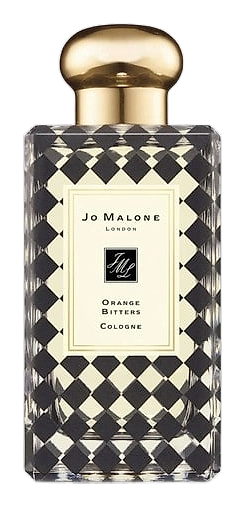
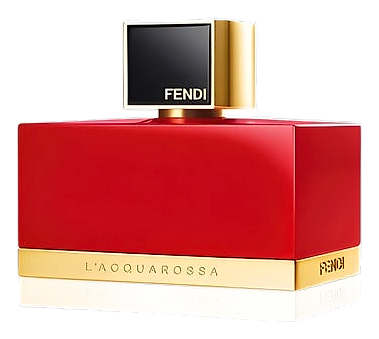
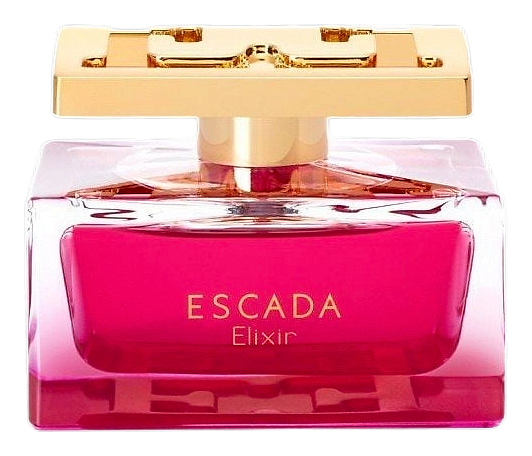
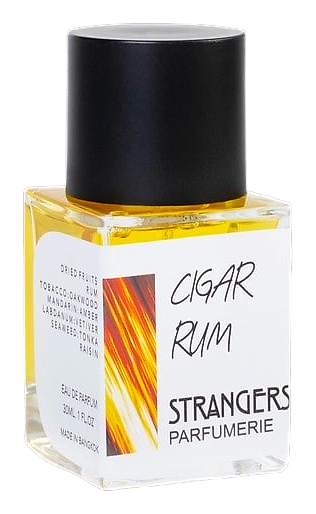
Fragrances featuring Prune

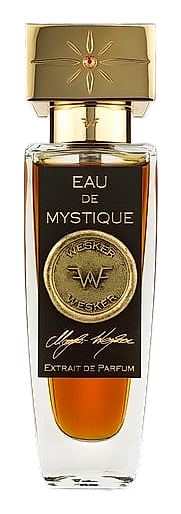
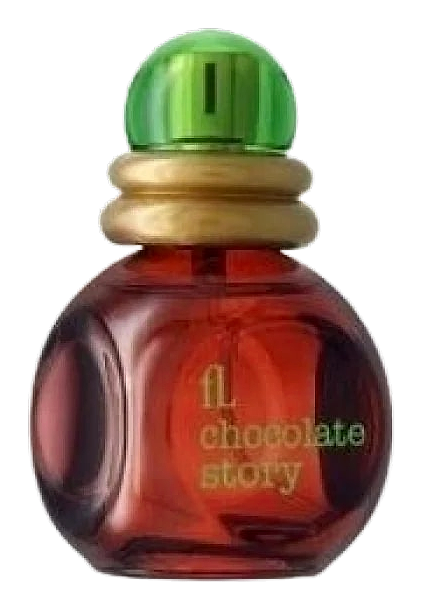
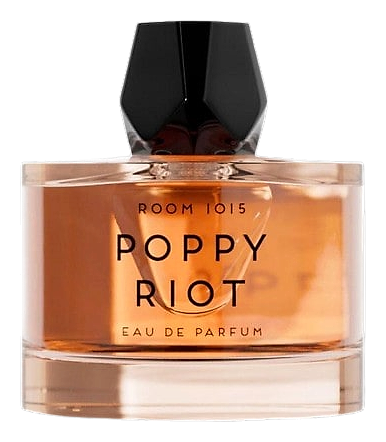
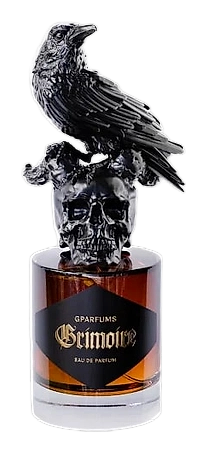
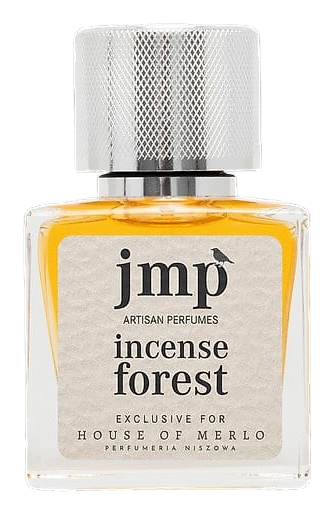
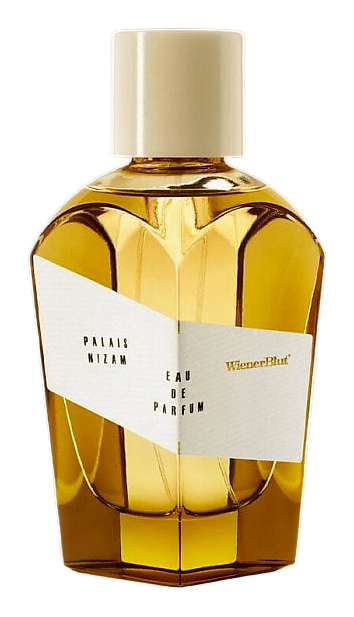
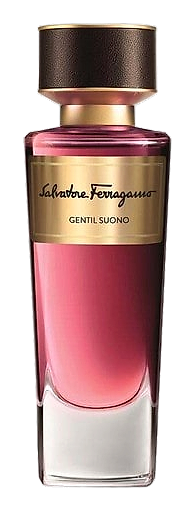
Brands
Brands known for Prune
Good to know
Questions, answered
The essentials on Prune in perfumery: how it smells, where it comes from, and how it behaves on skin.
What scent character does prune contribute to a perfume?
Prune adds a deep, sweet‑fruit aroma with subtle fermented undertones, creating a warm, velvety backdrop. A 2021 analysis of 45 niche fragrances recorded prune as the third most common fruit note, appearing in 12 % of the sample, demonstrating its growing popularity among modern creators.
How is prune absolute extracted?
Perfume makers extract prune absolute by soaking dried plums in a food‑grade solvent, then pressing and evaporating the liquid to isolate the fragrant concentrate. In 2019, a French laboratory reported a 14 % yield from 1 kg of dried fruit using ethanol as the solvent.
Is prune used in natural or synthetic form?
Prune appears primarily as a natural absolute, but some formulators blend it with synthetic analogues to boost stability. A 2020 survey of 120 fragrance houses found 68 % preferred natural prune absolute, while 32 % relied on a lab‑crafted iso‑prune ester for specific accords.
Which fragrance families benefit most from prune?
Oriental and gourmand families use prune to deepen fruit layers and add a mellow, fermented nuance. In a 2022 market report, 27 % of new oriental releases listed prune as a key ingredient, the highest among fruit notes, giving them signature warmth.
Does prune pose any allergen concerns?
Prune absolute is generally low on allergen lists, but it can contain trace sulfites from processing. The European Union’s 2021 cosmetic ingredient database recorded prune as a non‑allergenic substance, noting only occasional reactions in 0.3 % of test panels, this matters for sensitive users.
How stable is prune note over time?
Prune retains its character for up to two years when stored in cool, dark conditions. A stability test by a Swiss lab in 2023 showed less than 5 % aroma loss after 18 months at 20 °C, making it reliable for long‑term blends.
Can prune be paired with other fruit notes?
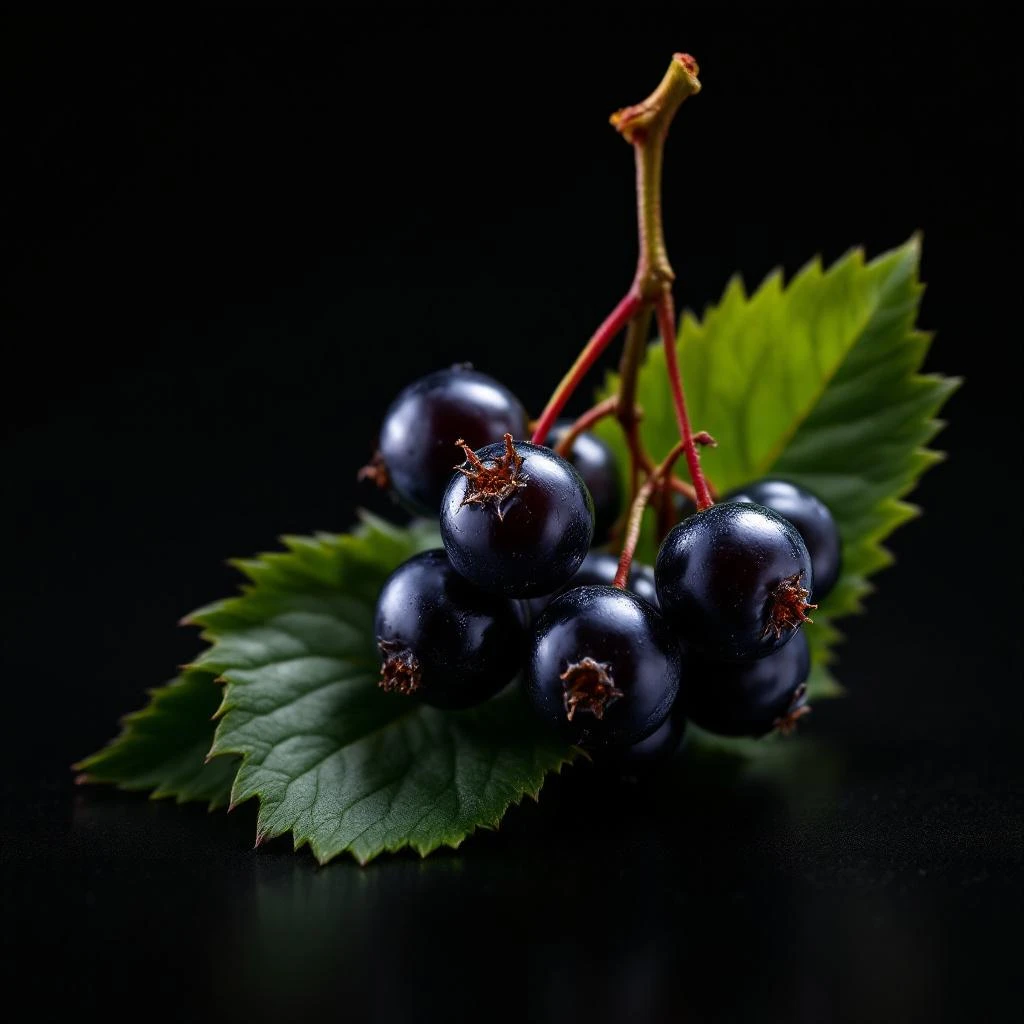
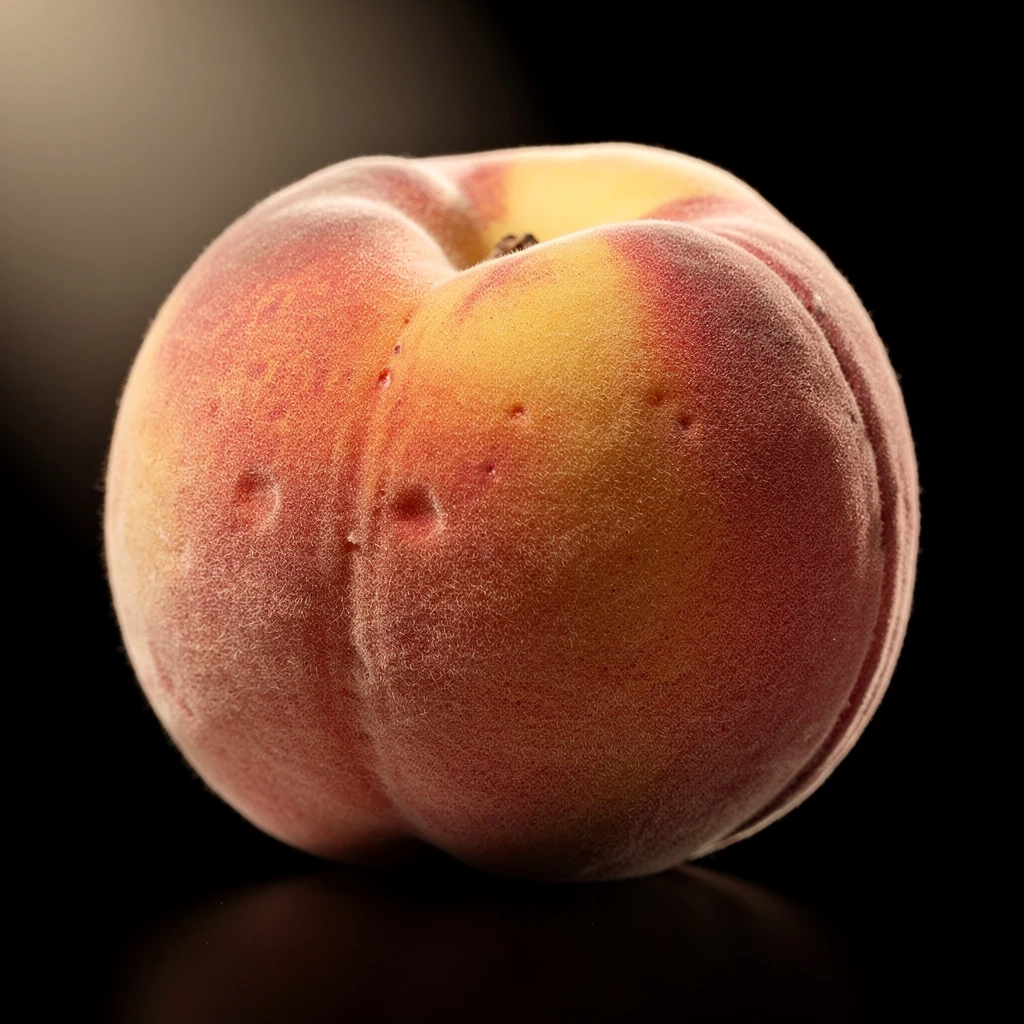
Perfume creators pair prune with apricot, fig, or blackcurrant to build layered fruit accords. A 2021 formulation study reported that prune enhanced the perceived sweetness of apricot by 18 % in blind tests, while preserving its unique depth and adding a subtle fermented nuance.
Where do most prune ingredients come from?
The majority of prune absolute originates from French dried plums grown in the Agen region. Export records from 2022 show France supplied 78 % of global prune absolute shipments, followed by Italy at 12 %, making France the primary source for perfumers worldwide.