Bitter Orange Blossom
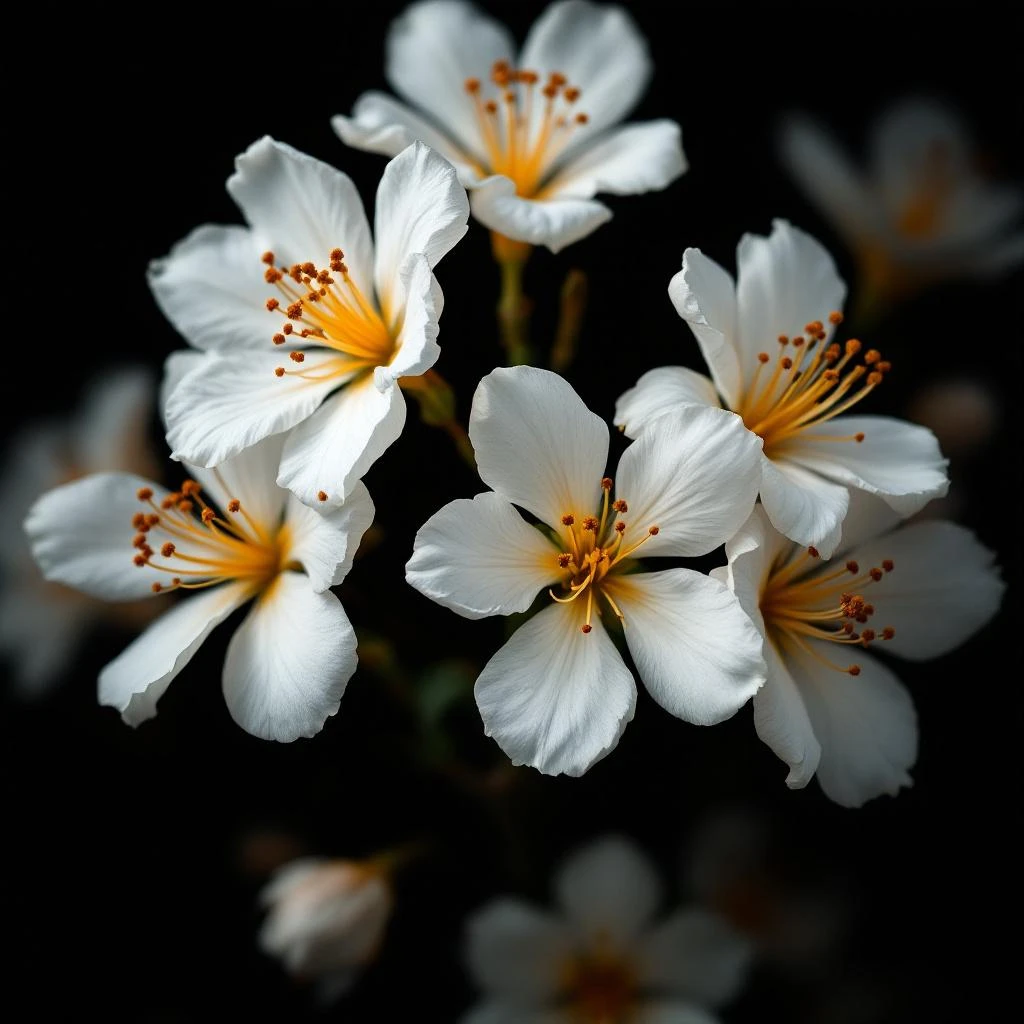
Orange blossom absolute carries the bittersweet floral heart of bitter orange. Less heady than jasmine, more green than rose, it bridges citrus brightness and deep floral warmth.
Character
How it smells
The bittersweet floral heart of the Mediterranean
One ton of blossoms yields only 1kg of absolute — roughly a million flowers hand-picked at dawn.







Origin
Tunisia
Arab traders introduced the bitter orange tree to the Mediterranean basin in the 9th century, beginning a centuries-long relationship between the region and this versatile citrus. By the 16th century, southern France cultivated bitter orange specifically to produce orange flower water, a staple in perfumery and medicine.
The town of Grasse became the epicenter of orange blossom cultivation in the 19th century, when growers began cultivating the tree as a dedicated perfume crop rather than a food source. French perfumers prized the floral complexity that bitter orange blossoms delivered — something orange peel could not replicate.
As production volumes declined in France due to agricultural economics, Morocco and Tunisia emerged as primary suppliers while maintaining traditional harvesting methods passed down through generations. Today, orange blossom remains a signature note in countless classic fragrances, its Mediterranean heritage embedded in its scent profile.
Wears it best
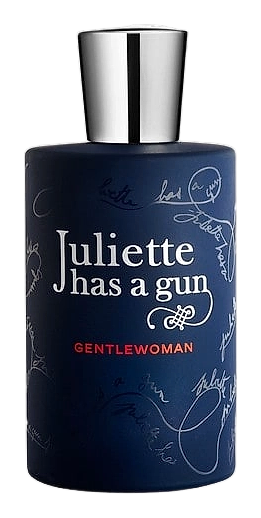
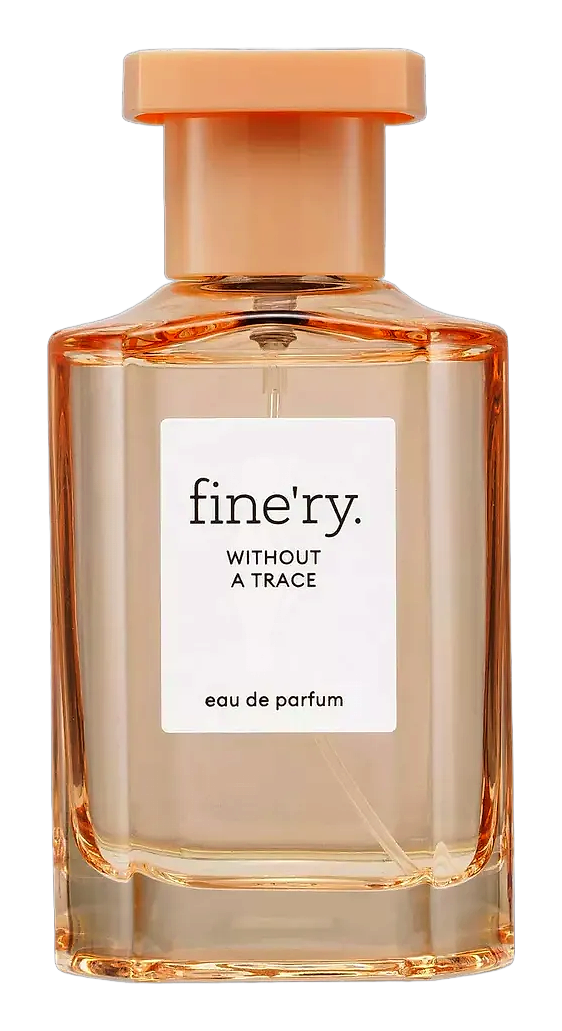
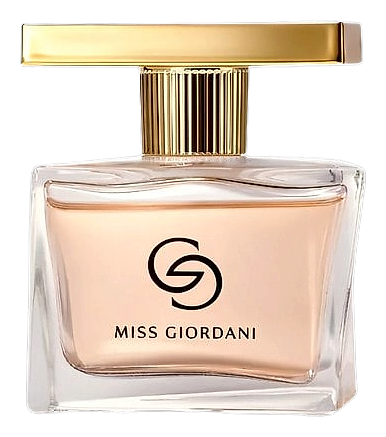
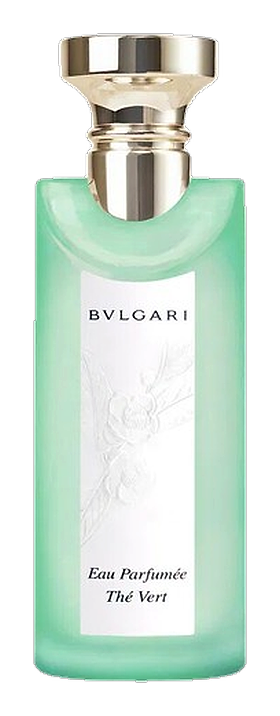
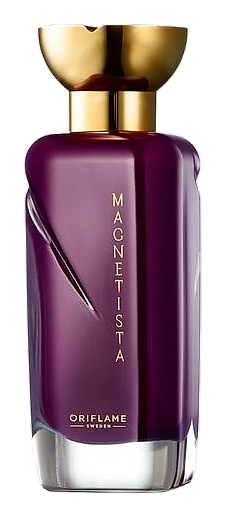
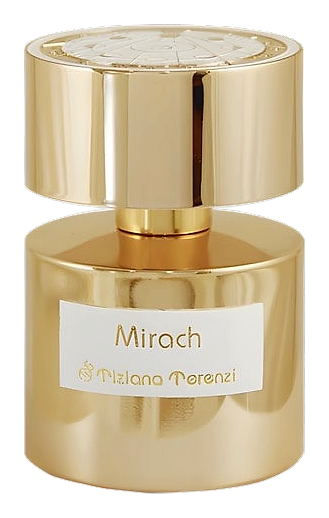
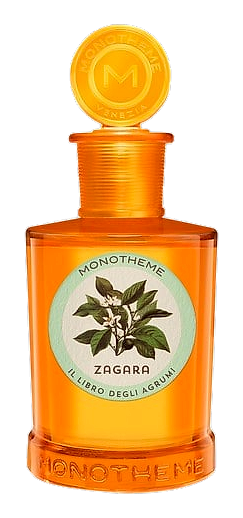
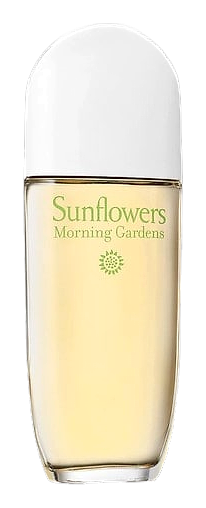
Fragrances featuring Bitter Orange Blossom
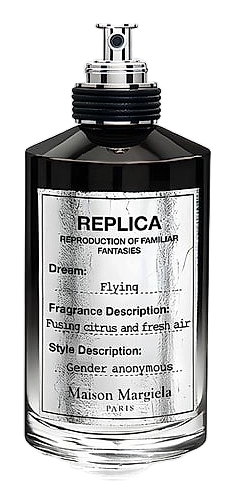
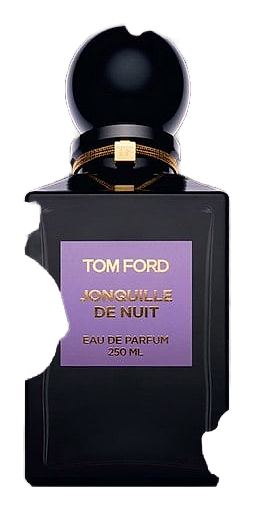
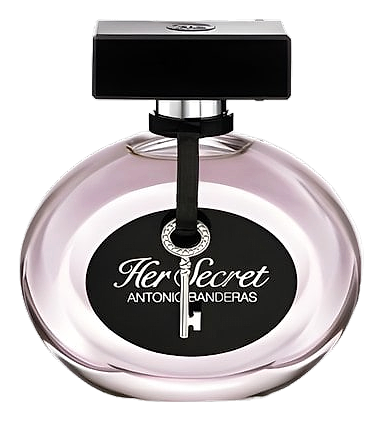
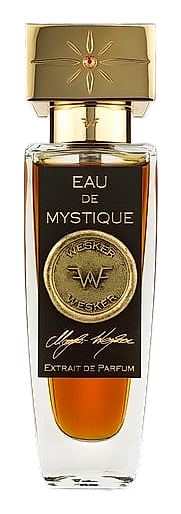
Brands
Brands known for Bitter Orange Blossom
Good to know
Questions, answered
The essentials on Bitter Orange Blossom in perfumery: how it smells, where it comes from, and how it behaves on skin.
What does bitter orange blossom smell like?
Orange blossom absolute smells like a white floral with green, citrusy edges. It is softer than jasmine, with a bitter-honey character that distinguishes it from sweeter florals. Neroli oil adds a more volatile, watery quality with pronounced citrus top notes.
How is orange blossom absolute produced?
Producers extract orange blossom absolute through solvent extraction of the aromatic waters left after steam distillation. One ton of freshly picked blossoms yields approximately 1kg of absolute. The result is a concentrated material holding the complete olfactory profile of the flower.
What is the difference between orange blossom absolute and neroli?
Neroli is the essential oil from steam distilling orange blossoms, offering a bright, volatile citrus-floral character. Orange blossom absolute comes from solvent extraction of the distillation waters, producing a richer, more persistent floral concentrate with deeper, sweeter undertones.
Where does orange blossom for perfumery come from?
Tunisia is the primary global producer of orange blossom for perfumery, with Morocco and Egypt as significant secondary sources. Cultivation spans roughly 600 hectares per producing country. Grasse, France, was the historic center but production shifted to North Africa in the 20th century.
When is orange blossom harvested?
Harvest occurs during spring blooming, typically April through May in the Northern Hemisphere. Pickers collect flowers by hand at dawn to prevent volatile aromatics from evaporating in daytime heat. This labor-intensive process requires skilled workers who sort blossoms immediately after picking.
Is orange blossom used in food and beverages?
Yes. Orange flower water appears in Middle Eastern and Mediterranean cuisine, particularly in pastries, desserts, and teas. The bitter orange fruit itself flavors marmalades and liqueurs like Curaçao. The floral water predates perfumery as a culinary and medicinal product dating to the 16th century.
What fragrances feature orange blossom prominently?
Orange blossom appears in numerous iconic fragrances across fragrance families. Neroli and orange blossom absolute work particularly well in citrus florals, white floral compositions, and modern green chypres. The note bridges top-note brightness with heart-floral warmth, making it versatile across fragrance structures.
Can orange blossom be synthesized?
Synthetic alternatives exist for certain aromatic molecules in orange blossom, but no single molecule replicates the complete scent profile. Naturals like orange blossom absolute and neroli remain preferred in fine perfumery because the material's complexity — including subtle green, bitter, and honey facets — cannot be fully mimicked synthetically.