
The Story
Why it exists.
The beginning
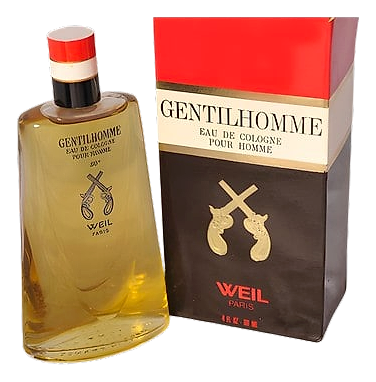
Gentilhomme arrived in 1967 from the Weil house, signed by Jean-Pierre Weil. Weil was a house created by three young, enterprising brothers, and Gentilhomme belongs to a distinct place within that catalogue. Where some compositions from the house leaned toward soft skins and tactile intimacy, this one steps into daylight. It reads as a portrait of a particular kind of man: the gentilhomme, French for gentleman, someone whose authority doesn't need volume. The cologne format says something too. Not a parfum, not an eau de toilette. A cologne built to be refreshed, to be lived in rather than preserved. Sources note this particular release is an Eau de Cologne variant, linked to the Gentilhomme Eau de Toilette.
What makes the structure unusual is the green aromatic heart, anchored by galbanum and hay. Galbanum brings a sharp, resinous quality to the top of the composition, the kind of green that feels almost aggressive in its clarity. Pairing it with the softness of verbena, petitgrain and carnation creates tension. Then the leather and cedar in the base refuse to let it float away into pure freshness. The result is classified as an aromatic fougere, though it reads with a sharper profile than that category often suggests.
The evolution
The first thirty minutes are loud green. Galbanum cuts through everything, sharp and almost bitter, sharpened further by bergamot and mandarin. It can feel aggressive if you're not ready for it, an opening that announces itself without apology. Then the verbena and petitgrain arrive, softening the edges without dulling them. The carnation's clove-like warmth starts to show around the second hour, and that's when the composition changes register. The leather in the base begins to assert itself, something drier than suede or glove leather, paired with oakmoss that gives the whole thing depth. The musk and tonka come last, quietly, wrapping the cedar into something warmer. In the later hours the composition settles into its base, with the leather and moss dominating while a trace of the opening green lingers underneath.
Cultural impact
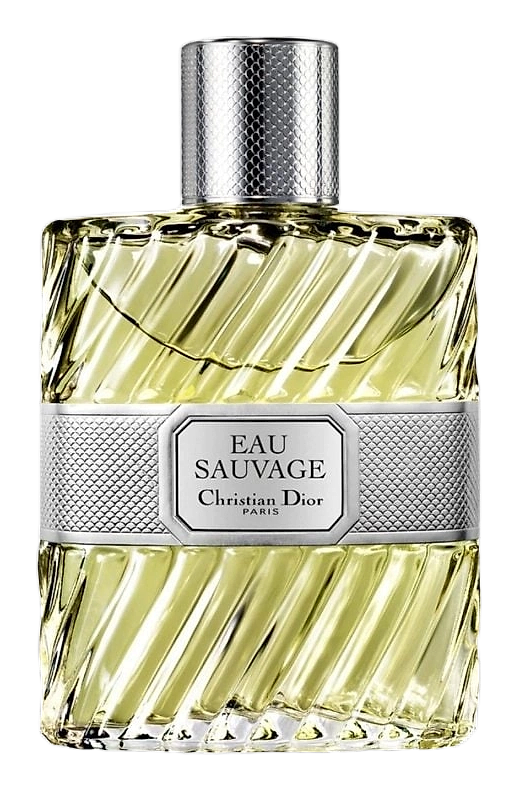
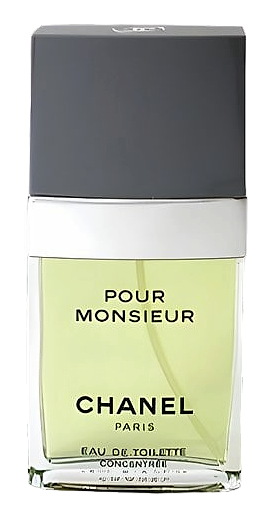
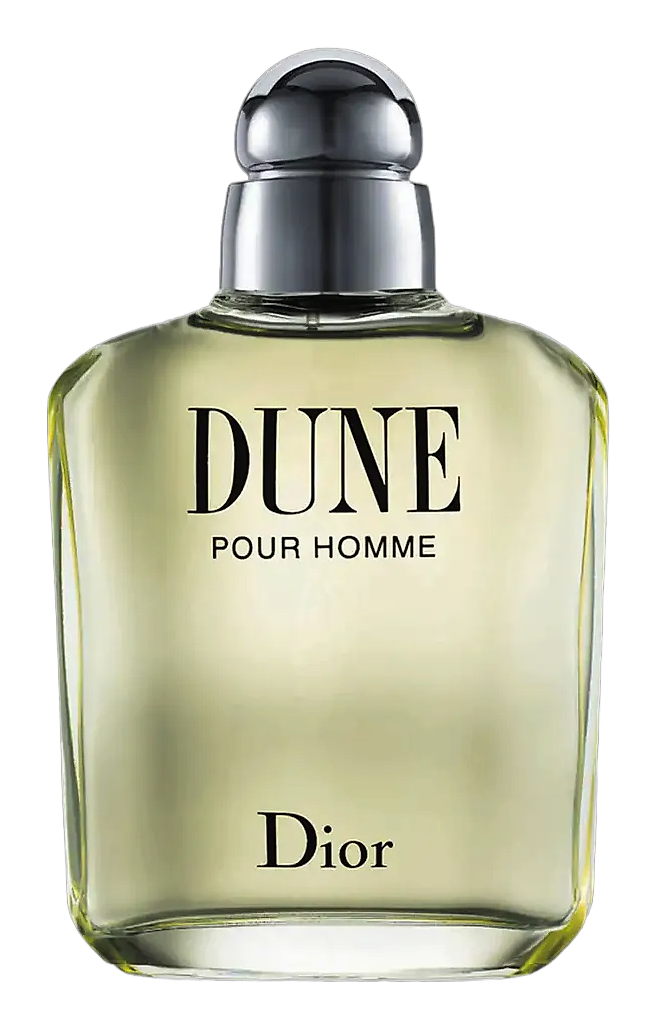
Gentilhomme sits comfortably next to green fougeres like Chanel Pour Monsieur and Guy Laroche Horizon in the collections of fragrance enthusiasts who also tend toward those compositions. Its galbanum-forward character and daytime restraint mark it as a quiet member of a particular masculine tradition. The composition leans harder into galbanum than many of its peers, and the green aromatic structure gives it a sharper profile than more familiar fougeres. Dior Eau Sauvage appears in the same orbit of masculine releases from the era, and the two share a daytime sensibility even when their constructions diverge.