The Story
Why it exists.
The beginning
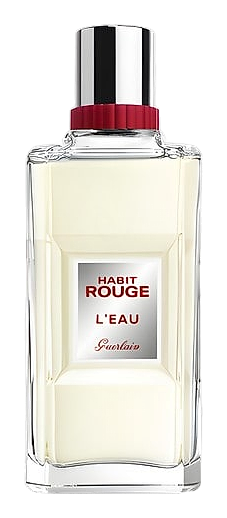
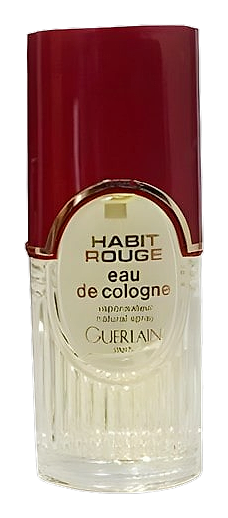
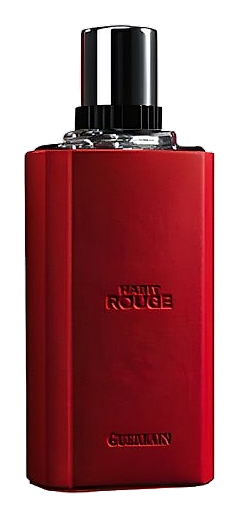
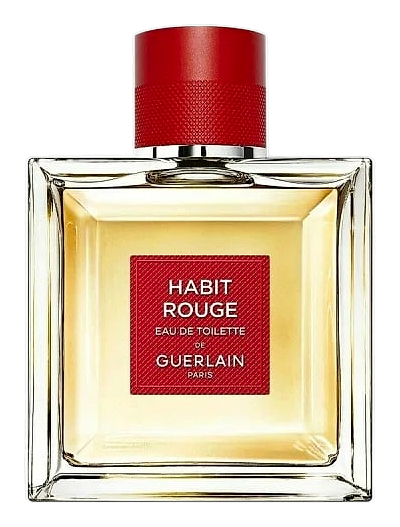
Jean-Paul Guerlain created Habit Rouge in 1965 as an homage to the red jackets worn by cavalry riders, Habit Rouge, French for the riding coat. The brief was clear: take the equestrian world and translate it into scent. Leather, earth, and the forest came first. But the real move was the powder. That warm, intimate finish that no one expected from a fragrance named after a riding coat. Guerlain had built men's fragrances on citrus and herbs for decades. This one went somewhere else entirely.
What makes Habit Rouge work is the tension between its bold name and its soft finish. The opening announces citrus, green, almost tart, but the heart is patchouli, earthy and grounded. The base is where Guerlain's signature emerges: vanilla and benzoin wrapped in leather, creating that Guerlainade-style powder that has defined the house for nearly two centuries. It's the powder that keeps people coming back. Not trend-chasing. Not safe. Just warm, close, and hard to stop smelling.
The evolution
The citrus opens bright, green lemon, a flash of bitter orange. Thirty minutes in, patchouli takes over, slowing everything down. The drydown is the payoff: vanilla, benzoin, and leather settling into a powder that stays close to the skin for hours. On fabric, the leather lingers longest. On skin, the vanilla-benzoin warmth softens into something talc-like by the end of the day. It doesn't shout. It stays.
Cultural impact
Habit Rouge sits in a small category: men's fragrances that have remained continuously relevant since 1965. It predates modern masculine trends entirely. The powder-leather combination influenced countless flankers and interpretations, though few matched the original's balance. For those who remember it from their father's or grandfather's shelf, the scent carries decades of association.