The Story
Why it exists.
The beginning
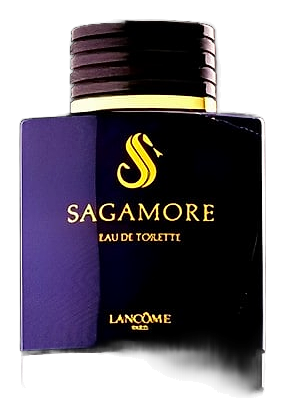
Lancôme released Sagamore in 1985, the work of Jean-Louis Sieuzac, a perfumer whose name attaches to some of the more layered men's compositions of the late twentieth century. The composition centers on a chypre structure that wears its lavender openly but refuses to be defined by it. Bergamot and lemon lift the opening into something almost Mediterranean, while clary sage pulls things slightly herbal underneath, and petitgrain adds a green, almost bitter edge that keeps the top from reading too polite. The name, Sagamore, carries the sort of quiet formality that French houses have long associated with their most composed masculine releases.
What makes the composition worth attention is the density beneath what reads as simple at the top. The opening leans classic Mediterranean: clary sage, lavender, bergamot, lemon, petitgrain, the kind of aromatic-citrused structure that defined good taste for decades. But Sieuzac layers it over a heart of carnation, jasmine, ginger, cinnamon, geranium, lily of the valley, and rose, a genuinely crowded middle that gives Sagamore its weight.
The evolution
The first ten minutes read bright and almost breezy. Lavender and bergamot do their usual work, the clary sage pulling things slightly herbal underneath, while petitgrain threads a green note through the citrus that keeps the opening from feeling generic. Climb to the chest and the shift begins. Ginger and cinnamon arrive together, warm but not aggressive, joined quickly by carnation's peppered sweetness and rose that sits deeper than expected, almost cushioned by the jasmine and geranium around it. The heart is dense without being heavy, a crowded middle that takes sustained wear to fully unfold, with the floral-spice interplay shifting as the minutes pass. By the second hour the chypre architecture shows itself: oakmoss, styrax, and benzoin settle into something resinous and grounded, the kind of base that feels built rather than blended.
Cultural impact
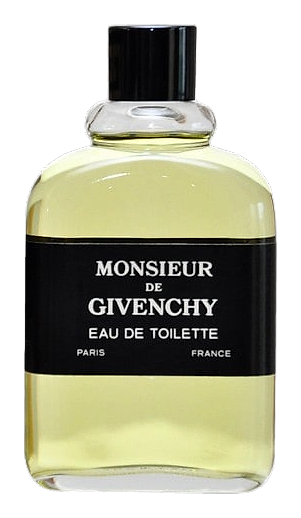
Sagamore sits in conversation with names like Chanel Pour Monsieur and Monsieur de Givenchy, fragrances from an era when masculine chypres were composed with the same seriousness afforded to the women's side of the catalog. Its construction, dense, floral-spiced in the heart, resinous in the base, places it among the more demanding men's releases of its period. This one asks for patience and rewards it, revealing new facets across hours of wear rather than presenting everything in the first spray. The composition treats spice as architecture, not decoration, and the result is a fragrance that rewards extended attention.