
The Story
Why it exists.
The beginning
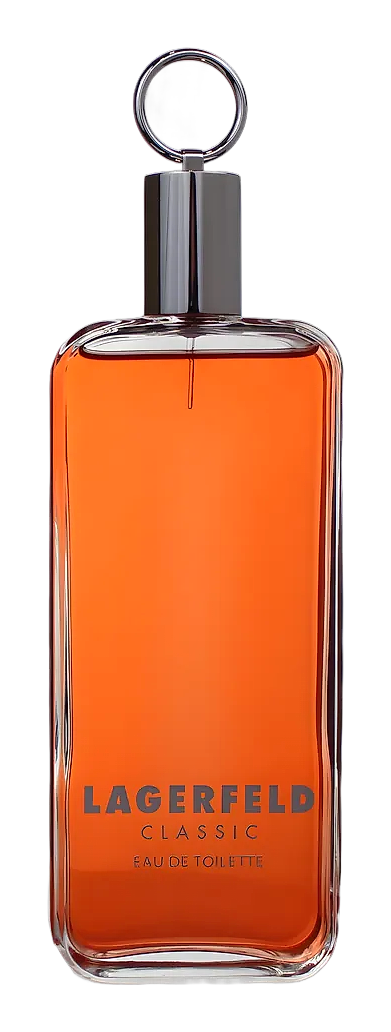
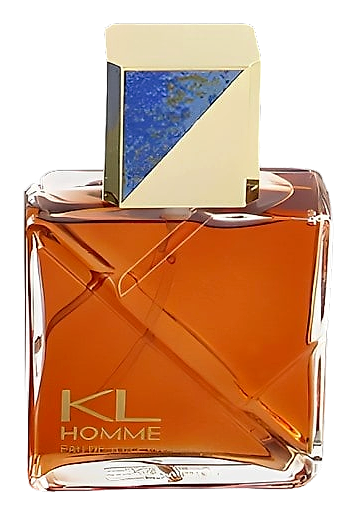
KL Homme arrived in 1986, and it landed with a confidence that felt almost architectural. The composition came from Firmenich, a house known for building fragrances that hold their shape on skin for hours, layering top to base with the kind of structural discipline most compositions of the era never attempted. Karl Lagerfeld was already a singular force in fashion by then, working in the same visual register that made his sketches, his eyewear, and his monochrome portraiture feel like a single continuous sentence. This was his move into men's scent, and it carried the same editorial logic he brought to everything else: cut away what doesn't serve the line, and let the form do the work. The name itself is stripped clean, just two letters doing the job of a full signature.
What makes this composition work isn't the spice count. It's the civet. Most modern orientals engineer the animalic edge out of the base, smoothing the drydown into something pleasant and forgettable. KL Homme uses actual civet, which means the drydown carries a feral undertone that refuses to behave. Pair that with Brazilian rosewood in the opening, a material that carries both warmth and a dry, almost resinous lift, and you've got a fragrance that announces itself in the first minute and keeps building from there. The cinnamon-to-civet trajectory is the architecture.
The evolution
The first twenty minutes are bright and almost polite. Orange, bergamot, Amalfi lemon, and that rosewood hit in quick succession, citrus layered over a faint woodiness that reads clean but not soapy. The lemon has a pithy bite to it, and the orange underneath gives the whole opening a rounded sweetness that keeps the citrus from feeling sharp. Then the cinnamon arrives, and everything recalibrates. The heart opens dense: carnation pushing into the spice with its clove-like warmth, rose and geranium softening the edges, jasmine threading through underneath with a creamy sweetness that sits just below the surface. Patchouli and sandalwood anchor the middle, giving the florals something to lean on, and the sandalwood in particular adds a milky smoothness that keeps the spice from turning dry.
Cultural impact
KL Homme occupies a specific corner of masculine perfumery, the one where spice and civet were still treated as legitimate building blocks rather than something to apologize for. The composition holds its animalic edges without compromise, which makes it a reference point for anyone interested in what oriental perfumery actually sounded like when it wasn't being softened for mass approval. The fragrance wears like a piece of design, every element placed with intention, and the drydown rewards the kind of attention most compositions never ask for.