
The Story
Why it exists.
The beginning
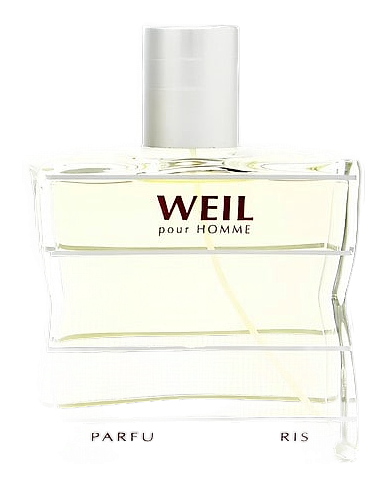
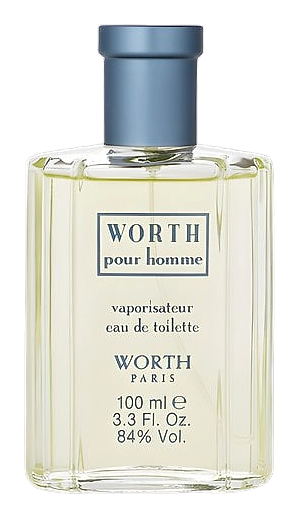
Worth pour Homme arrived in 1932, composed by Odette Breil-Radius. The fragrance opens with crisp lavender that feels both immediate and refined, softened slightly by the bright citrus of bergamot and mandarin. Within moments, aromatic herbs begin their slow build, creating a green backdrop that anchors the composition. It is a masculine fragrance that doesn't try to impress, it simply assumes the room already knew who you were. The blend carries the kind of quiet confidence that comes from knowing it doesn't need to shout to be heard.
The structure is notable for its commitment to the fougère form: lavender, oakmoss, aromatic herbs. The carnation in the heart is unusual, introducing a waxy, vintage floral note that cuts through the green. It's a small act of defiance within something classical, and it works because the base is strong enough to hold it. The interplay between these elements creates unexpected tension, the floral blade lifting what could have been a straightforward masculine arrangement into something more curious and layered.
The evolution
The opening arrives confident: bright lavender, a brief citrus flash from bergamot and mandarin, then the herbs take over. Petitgrain and rosemary build a green wall that lasts the first thirty minutes. Around the hour mark, the heart begins its slow reveal. Pine needles and geranium add texture, and the carnation introduces a waxy, vintage floral note that feels at once classical and unexpectedly delicate. The base announces itself around hour two: leather, unmistakable, followed by oakmoss and vetiver. The moss and earth combination dominates the next few hours, softened only slightly by amber and tonka bean. By hour six, the leather has gentled into a clean skin-and-musk scent, with faint cedar still present the next morning. The drydown is spare and clean, the kind of finish that lingers close to the skin rather than announcing itself across a room.
Cultural impact
Worth pour Homme carries the weight of its heritage, launched by a house that defined Parisian couture. It's the kind of fragrance a man reaches for when he doesn't need anyone to recognize the name. The scent communicates a quiet authority that speaks for itself, confident enough to let the composition do the work without needing explanation or introduction.