The Story
Why it exists.
The beginning
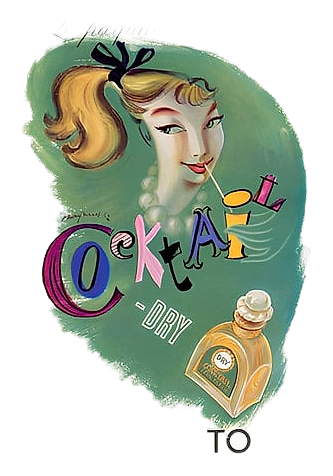
Cocktail Dry arrived from the perfumer Henri Almeras, one of Jean Patou's early collaborators. The house had established itself in Parisian couture before extending into fragrance, and Cocktail Dry formed part of that olfactory debut: a scent conceived as a confident statement of intent. The name tells you what the perfumer was reaching for. Dry meant something specific: not sweet, not heavy, not laden with the dense, syrupy orientals that dominated the period. Dry meant clean, sharp, structural, a scent that smelled like composure. Almeras built that clarity from a skeleton of aromatic herbs and moss, dressed in white florals and given a faint bitter edge by clove and green leaves.
What makes Cocktail Dry distinctive is the interplay between its herbal and floral elements. The lavender and geranium provide a crisp, aromatic opening that reads as composed rather than aggressive. There is nothing tentative about how these notes present themselves; they arrive with clarity and stay with composure. The rose and jasmine then settle in, cushioned by geranium's herbal green, softening the opening without rounding it into sweetness. The clove does something specific too. It adds a peppery warmth that keeps the green notes from reading cold or soapy.
The evolution
The first thirty minutes are the sharpest part. Lavender and green notes hit first, almost bracing, with a faint chill that makes everything feel cool and immediate. Clove warms the edges so the opening reads crisp rather than cold, like the moment before a cocktail arrives, that brief pause of anticipation before the first sip. Then the florals arrive. Rose and jasmine don't bloom loudly here; they settle in, cushioned by geranium's herbal green. This is the most balanced phase, where the perfume stops announcing itself and starts simply existing in the air around you. The oakmoss is already threading underneath, giving the florals a dry, earthy foundation that keeps them from turning powdery. During this middle phase, the geranium does quiet work, its rosy-mineral quality bridging the white florals and the moss beneath.
Cultural impact
Cocktail Dry holds a distinctive place among vintage florals for its confident dryness. It sits apart from the sweeter, more opulent compositions that surrounded it, offering something pared back and structural by comparison. The fragrance rewards those who appreciate restraint and architectural clarity in perfumery. Today it reads as a quiet reference point for lovers of vintage chypre-floral compositions. The moss-and-clove backbone gives it a gravity that many contemporaries lack, and the interplay of herbal and floral elements feels deliberate rather than decorative.
The House
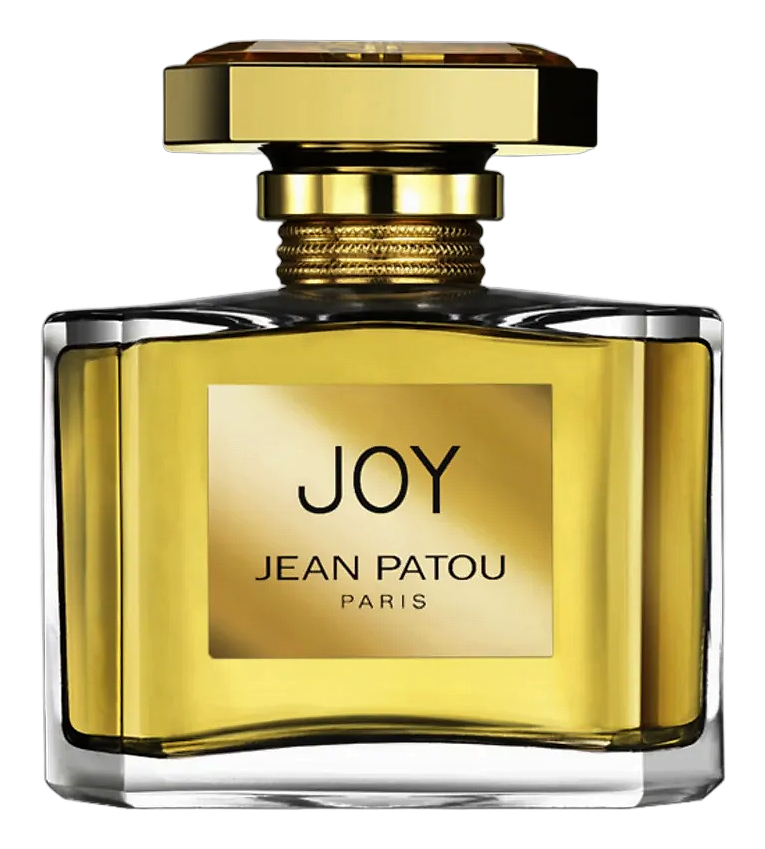
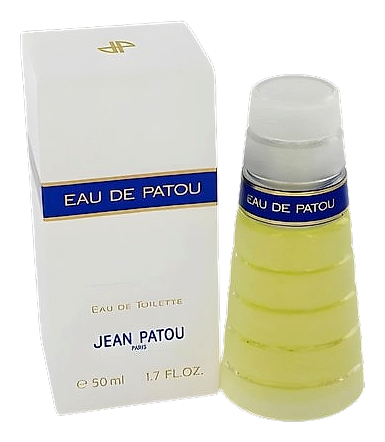
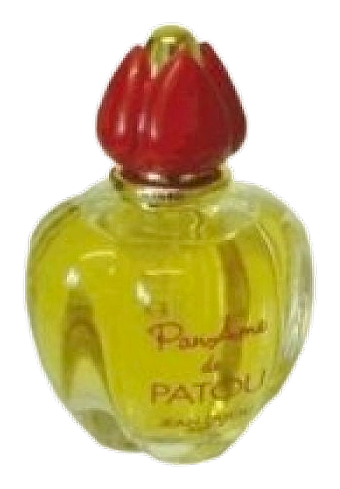
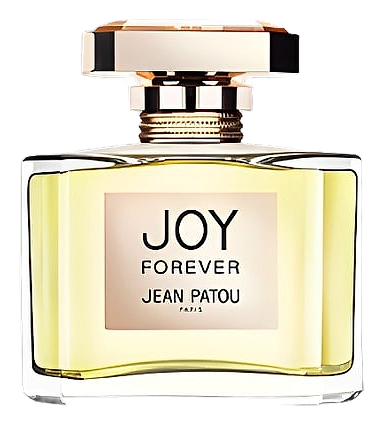
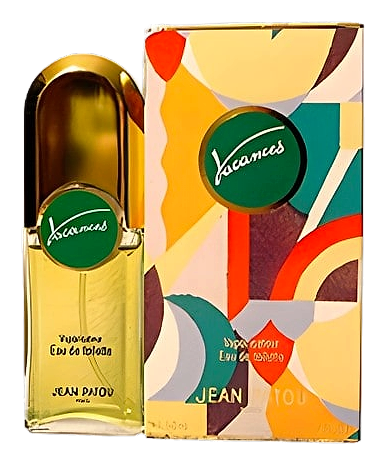
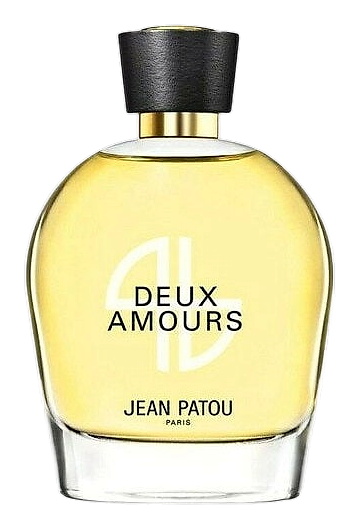
Jean PatouJean Patou was a French couturier who built a perfume house from his couture practice in Paris. Born in Normandy in 1887, he worked in his family's tannery business before establishing his fashion house in Paris in 1914. His approach centered on sporty, modern elegance, and he was among the first to introduce suntan preparations when he recognized his clients' newfound enthusiasm for sun and active summer leisure. His perfume collection launched in 1925 with three fragrances created by perfumer Henri Alméricas. The house produced signature scents across decades, from the jasmine-rich Joy (1932) to the sporty Lacoste (1967) and the effervescent Eau de Patou (1976). In 2019, LVMH acquired the house, and production of Patou fragrances was discontinued, leaving collectors and fragrance enthusiasts seeking remaining bottles.
The Creator
Henri AlmerasHis style favored lush, floral compositions anchored in natural materials. Jasmine, rose, and orange blossom appear throughout his work as signature elements, treated with a richness that bordered on theatrical.