
The Story
Why it exists.
The beginning
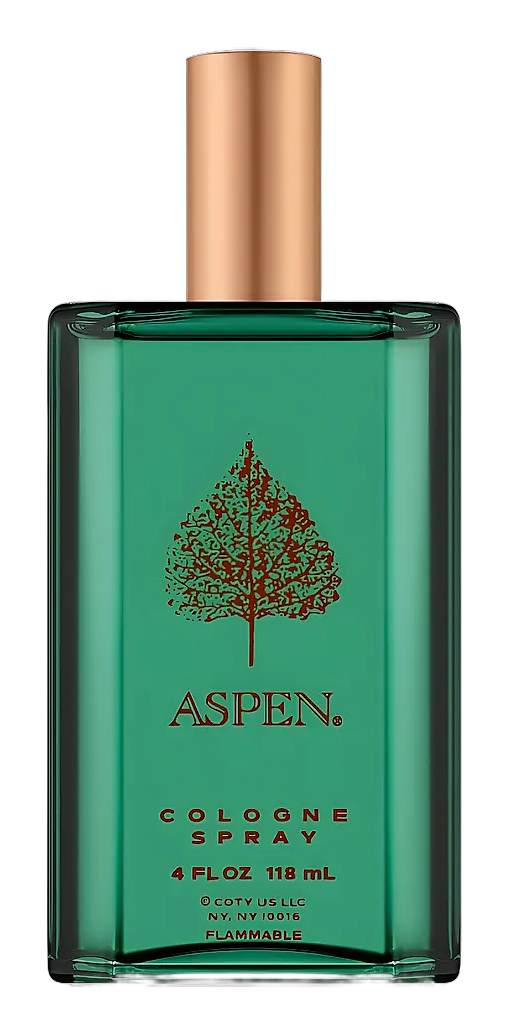
Coty had been making perfume for eighty-five years when Aspen landed in 1989. An American market collaboration with Quintessence brought the brief home to earth: build something that smells like standing in an Aspen grove after rain. Cold air. Wet bark. Essential conifer. The brand drew from its century of formula archives to construct something authentic rather than synthetic-smelling, relying on materials like oakmoss and vetiver that carry actual forest weight.
The note structure reflects the brief directly: mint and citrus for the crisp opening air, vetiver and lavender for the botanical heart of the grove, oakmoss and amber for the earthy foundation of rain-soaked bark. Each layer was chosen to reinforce the forest concept rather than merely evoke it. The pairing rationale is straightforward, the opening brightens the heart, the heart connects to the base, and the base returns the wearer to the essential conifer promise.
The evolution
The opening deploys mint, bergamot, and lemon to establish immediate freshness, the mint cutting through like cold air while the citrus notes lift the blend into something bright. The heart phase introduces vetiver and lavender, vetiver bringing its earthy root character while lavender tempers the sharpness with herbal softness. This middle stage feels like moving deeper into the grove, where light filters through needles and the air carries herbal weight. The drydown settles into oakmoss and amber, oakmoss delivering the essential conifer note of wet bark and forest floor while amber adds a quiet warmth underneath, creating a base that lingers close to the skin for hours.
Cultural impact
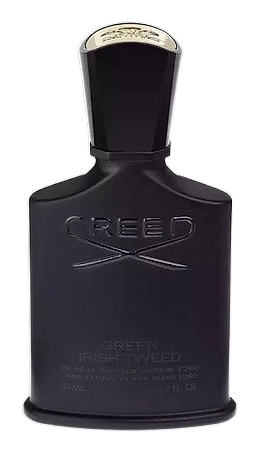
By the late 1980s, aquatic and ozonic fragrances were filling department store counters with air that smelled like nothing. Aspen went the other direction, forest greens, conifer, barbershop clarity. The fragrance never chased status. Wearers discovered it quietly and kept it quietly. Some still wear it today, reaching for a bottle that hasn't been produced in years. The comparison to Green Irish Tweed started in forums and never fully stopped. Value for money scores in the 8-9 range, the highest score in its performance data. People who find it tend to keep it.