
The Story
Why it exists.
The beginning
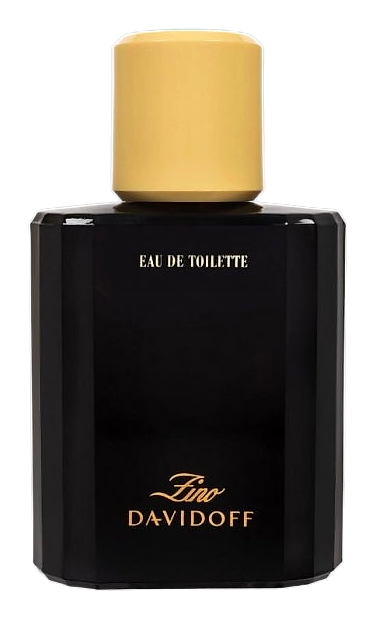
Zino arrived in 1986, two years before Davidoff's Cool Water would rewrite the rules of men's fragrance. The perfumer behind it, Michel Almairac, composed a portrait in scent that valued restraint over flash. Zino doesn't shout. It settles into a room with the patience of a composition that knows quality doesn't need an introduction. The opening is a measured conversation between lavender, bergamot, and a touch of clary sage, bright enough to catch attention but never sharp enough to demand it. As the first hour unfolds, the lavender softens and the spices begin to surface, a blend of cinnamon, cardamom, and clove that warms the composition without burying it.
What makes Zino's structure unusual is its balance of opposing forces. Lavender and clary sage bring a clean, almost bracing herbal quality to the opening, while rosewood adds a creamy warmth underneath. The heart leans floral, rose and geranium lending quiet sophistication rather than sweetness. Then the base pulls the whole composition into deeper territory, with patchouli and sandalwood doing the heavy structural work. This isn't a fragrance that hides its materials. The patchouli is earthy, present, unapologetic. The sandalwood smooths everything out without softening the edges. It's a composition that respects the wearer enough to be honest about what's inside the bottle.
The evolution
The first spray hits with a clean, almost cold burst of lavender and bergamot, sharp enough to cut through a stuffy room. Within ten minutes, the rosewood starts to surface, warming the opening into something less austere. Clary sage adds a slightly musky, herbal edge that keeps the lavender from feeling too soapy. By the thirty-minute mark, the heart arrives. Rose and geranium show up quietly, not as a floral statement but as a softening agent between the sharp top and the dense base. Lily of the valley adds a dewy quality that makes the whole thing feel less formal than the opening suggested. Two hours in, the base takes over completely. Patchouli dominates, earthy and slightly dirty in the best way, supported by creamy sandalwood and a clean cedar that keeps the whole thing from going too dark. The tonka bean and vanilla arrive late, adding a subtle sweetness that rounds out the drydown without making it gourmand. Eight hours later, what's left on skin is a warm, woody whisper, mostly patchouli and sandalwood with a trace of vanilla.
Cultural impact
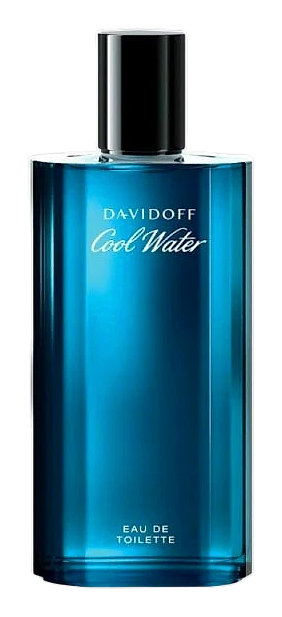
Zino arrived two years before Cool Water would make Davidoff a household name, and it occupies a different corner of the house's identity entirely. The two fragrances share a parentage but speak in completely different registers, with Zino rooted in wood, spice, and herbaceous warmth rather than the bright aquatic accord that defined its sibling. That separation helped the fragrance develop a following of its own, the kind of audience that gravitates toward masculine compositions built on depth rather than novelty. The DNA is recognizable to anyone familiar with the Davidoff catalog, yet the execution feels specific enough to stand apart.