
The Story
Why it exists.
The beginning
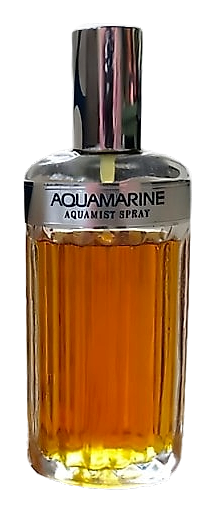
Aquamarine arrived in 1946, and Revlon's composition speaks directly to the era's mood. The synthetic sparkle of aldehydes lifts the formula, while a traditional white-flower heart grounds it in something familiar. Aquamarine was never about seduction or softness. It was about presence, about a woman who walked into a space already furnished and made it hers. The fragrance carries a confidence and structure that refuses to whisper. Bold, deliberate, built for the woman who chose her own entrance. The aldehyde top delivers brightness without apology, and the floral core softens that brightness just enough to wear. This is Revlon at its most assertive, and Aquamarine remains one of its most distinctive creations, a perfume that announces itself without raising its voice.
What sets Aquamarine apart is the depth of its base. Tobacco sits alongside oakmoss, patchouli, and vetiver, with vanilla and tonka bean underneath. The base carries weight, giving the composition a grounded, earthy anchor that prevents the bright opening from floating away. This is not a whispery composition; it carries a leathery gravity that gives the sparkle somewhere to land. The honey note in the heart adds a golden, almost candied warmth that bridges the bright top and the dark root.
The evolution
The opening hits almost aggressively bright: aldehydes lifting lily, freesia, and bergamot into something that smells effervescent and clean. The citruses add a crisp bite that keeps it from tipping into sweetness. Then the florals arrive. Ylang-ylang, rose, and jasmine build a dense white-flower heart with honey threading through like warm syrup. Clove and galbanum push green heat into the arrangement, preventing it from going powdery. This is where the composition gets interesting, because it stops smelling like one thing and starts smelling like several things arguing productively. As the hours pass, the base takes over. Tobacco and oakmoss dominate, with patchouli adding that earthy, slightly bitter edge. The vanilla softens the transitions. The drydown stays warm and close for hours: leathery, slightly sweet, with that honey-tobacco signature holding steady.
Cultural impact
Aquamarine sits within the aldehydic floral tradition that defined postwar femininity, and it carries its own personality. The tobacco-oakmoss base gives it more gravity than many aldehydics, lending it a grounded, serious undertone beneath the bright sparkle. The composition reads as structured and confident, built for presence rather than persuasion. It belongs to the conversation of late-1940s glamour, offering the era's signature brilliance paired with a darker, more substantial base than most of its peers.