


Heritage
A house, in its own words
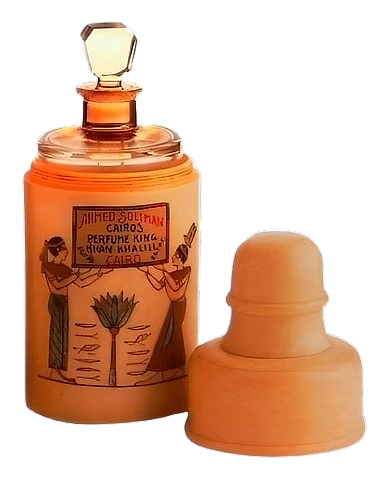
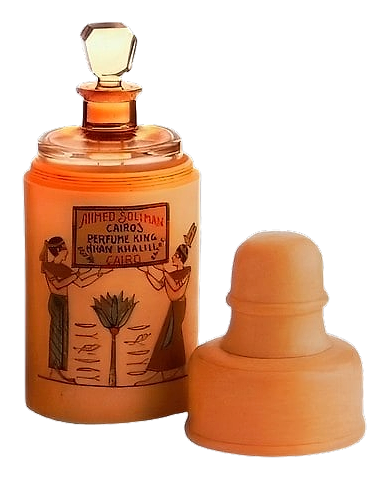
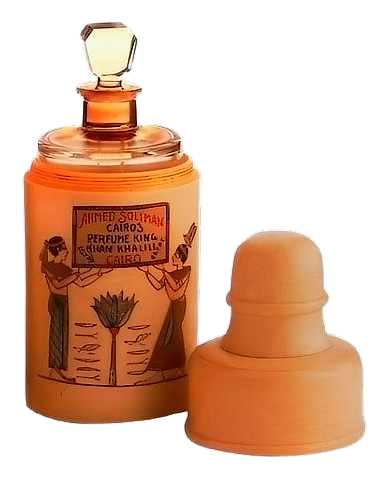
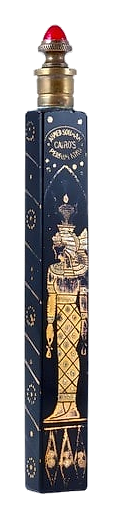
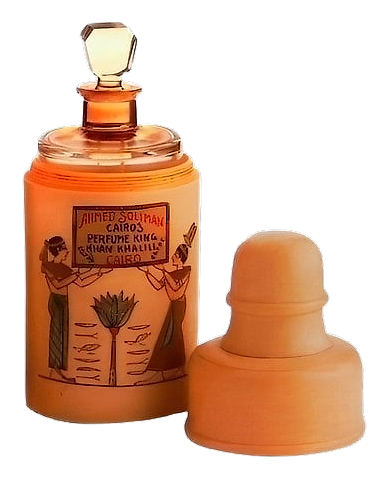
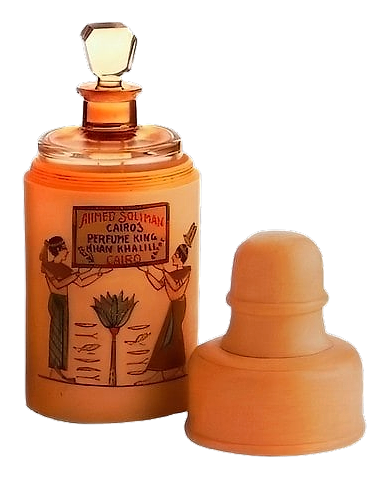
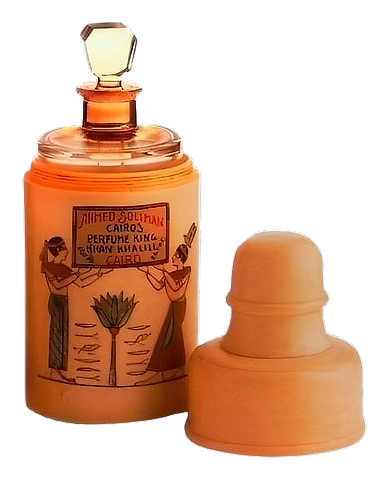
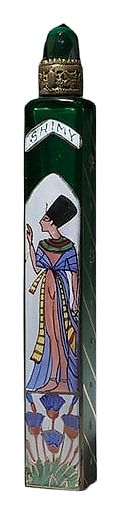
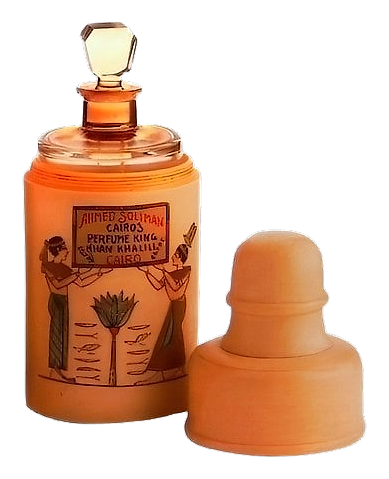
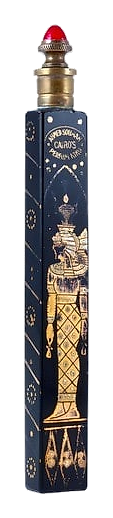
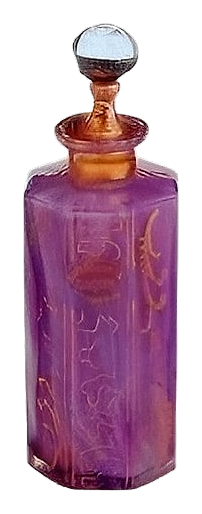
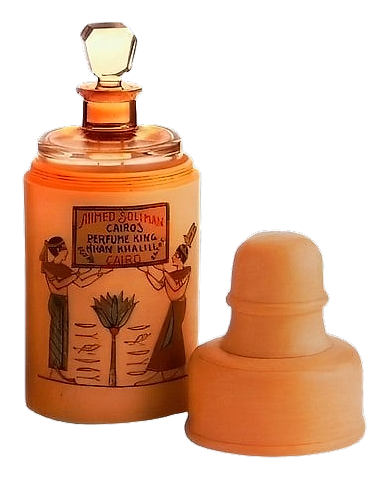
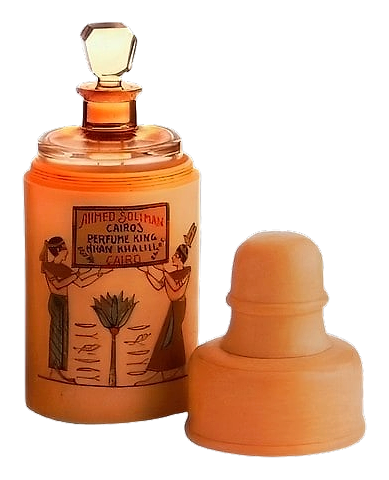
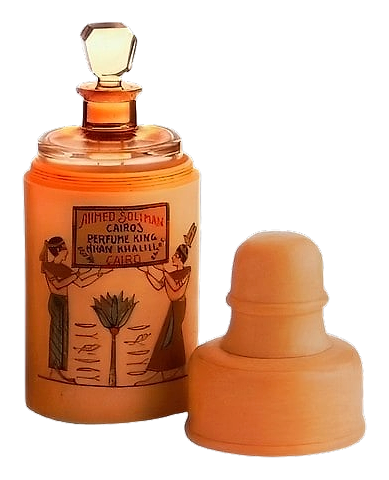
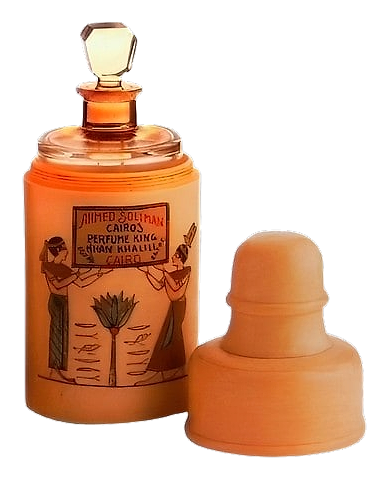
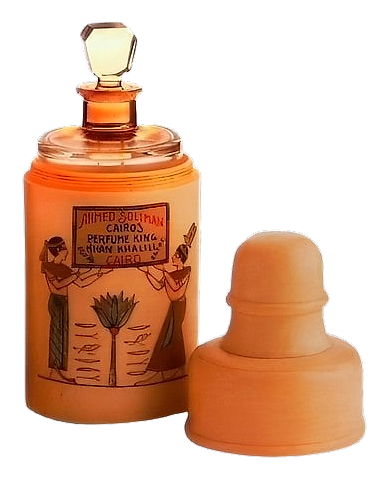
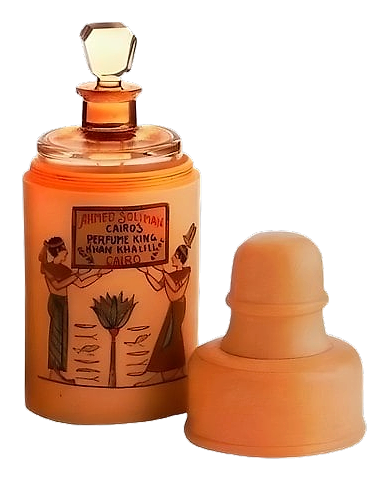
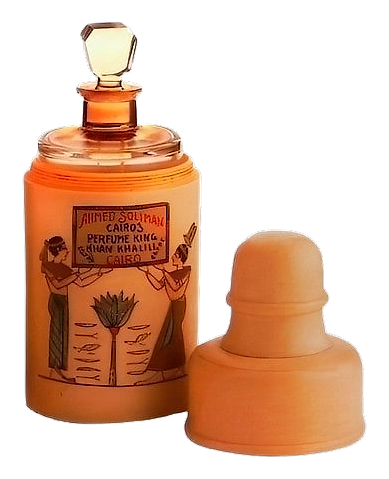
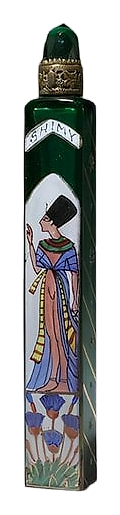
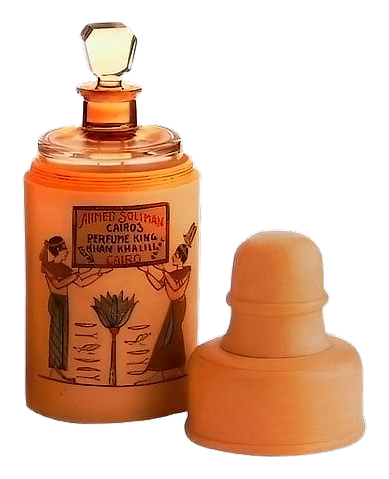
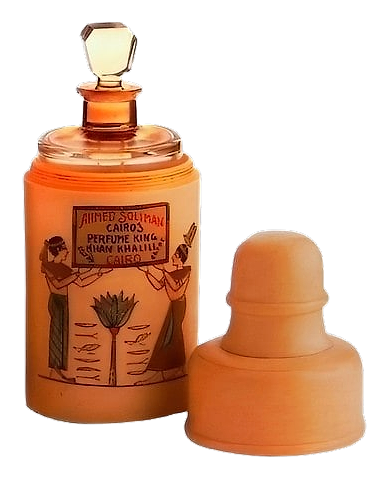
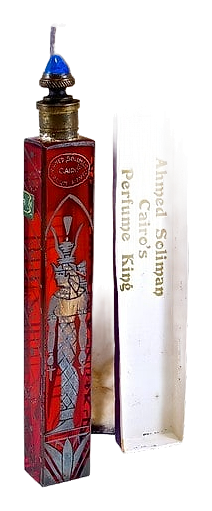
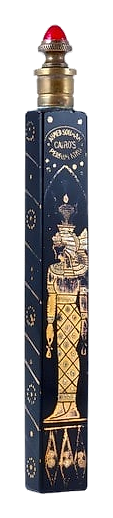
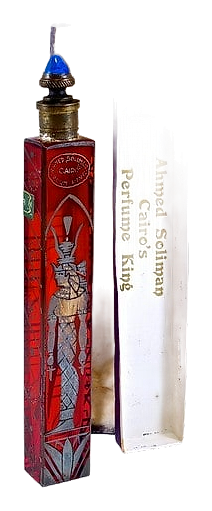
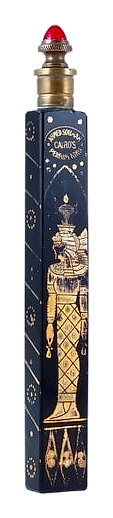
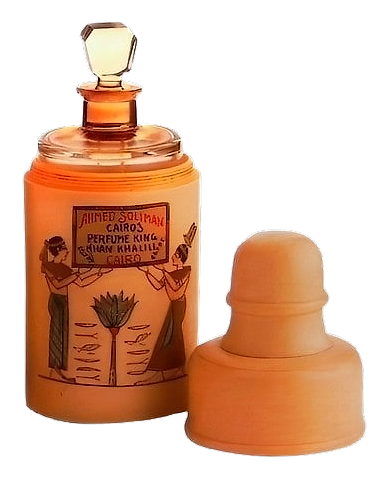
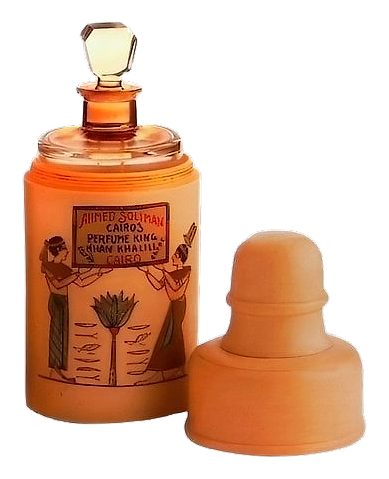
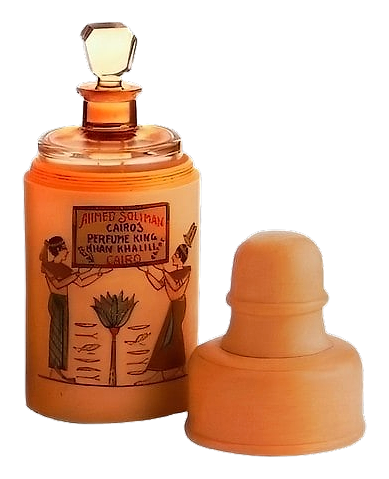
Ahmed Soliman El Mowardi was born in 1906 and, at the age of thirteen, was apprenticed to a modest perfume shop in Cairo known as Khan Abu Takia. By the early 1920s he had established himself as a perfumer operating out of Khan el-Khalili, the ancient bazaar district whose trade in oils, spices, and incense stretches back centuries. He styled himself the Perfume King of Cairo, a title that reflected both his ambition and the prominence he achieved during a formative decade for Egyptian decorative arts. Throughout the 1910s and 1920s, Soliman and the Shimy Brothers of Cairo produced perfume bottles that are now considered benchmarks of the era, with surviving examples held in museum and private collections across Europe and North America. The house's catalog was anchored by compositions such as Golden Wattle, Attar of Roses, Nefertiti, Cleopatra, Frankincense, Amber, Amber Kashmir, and Sandalwood, each reflecting early twentieth-century tastes for resinous and floral oils. Soliman died in 1956, but the bottles he produced remain touchstones for collectors and historians of early twentieth-century perfume. Ahmed Soliman's approach was shaped by the perfumery traditions of Khan el-Khalili, a market where frankincense, myrrh, rose, and sandalwood have been traded for generations. His work drew on this raw material culture, favoring concentrated attars and oil-based compositions over the lighter alcohol extraits arriving from Europe at the time. The brand's catalog leaned heavily on materials with deep resonance in the region, rose for its centrality to Egyptian ceremonial use, frankincense and amber for their sacred associations, and native botanicals like golden wattle. Names such as Nefertiti and Cleopatra connected the perfumes to a specifically Egyptian visual and cultural lineage, positioning the house as a curator of local heritage rather than an imitator of Parisian fashion. The result was a body of work rooted in place, designed for a clientele that valued tradition, identity, and the tangible luxury of hand-blended oils.