The Story
Why it exists.
The beginning
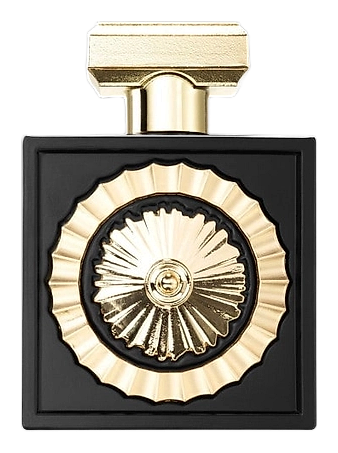
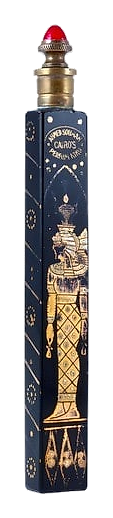
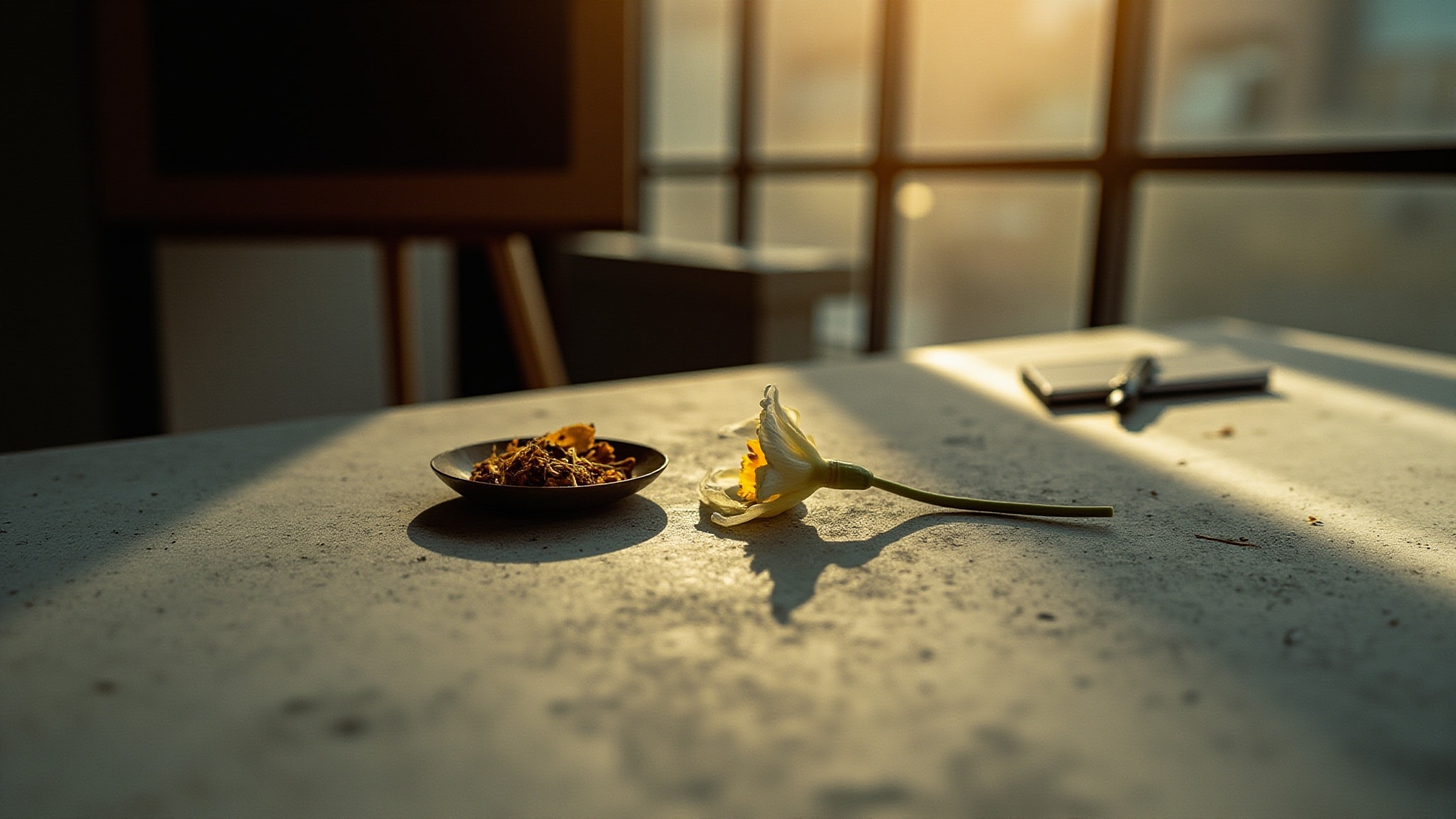
Black Narcissus arrived in 1920 from Ahmed Soliman, a perfumer identified as Cairo's Perfume King in sources that document the fragrance's release that year. The composition fits a clear logic: one flower, concentrated, built to hold your full attention or none at all. The narcissus absolute at its center is dense and direct, carrying the cool snap of crushed leaves at the opening, a slow swell of honeyed warmth through the heart, and a quietly animalic undercurrent that keeps the whole thing from turning sweet. There is a lushness to the way the petal note blooms across skin, almost waxy, like pressing a fresh flower until its pollen marks your fingers.
Narcissus is one of the most demanding materials in the perfumer's palette. The absolute carries a sharp green top, a honeyed body, and an almost animalic underside that can read as indolic, earthy, or sensual depending on dose and skin. Soliman's choice to build a composition around this single material, without a supporting cast of other florals or modifiers to soften or redirect the bloom, is a statement of confidence. Either the flower carries the whole frame, or the perfume collapses.
The evolution
The first hour is green and slightly bitter, almost cut-stem in its sharpness. There's a coolness to narcissus at this stage, like crushing a leaf between your fingers before the bloom opens. Somewhere around the second hour, the honey arrives. The green doesn't vanish, but it steps back, and a warm, hay-like sweetness takes the foreground, closer to dried pollen than to any confection. By the fourth hour the composition has gone fully golden, warm, and close to the skin, more hay than flower, with that faintly animalic edge narcissus carries sitting underneath like a secret. It wears with an intimate projection, a measured arc, and a quiet warmth on the inside of the wrist the next morning, like the ghost of something that was alive yesterday.
Cultural impact
Black Narcissus sits at the edge of reachability. A 1920 single-floral attar built on nothing but narcissus is not a casual discovery, and the fragrance has been apparently discontinued, which places any remaining bottles beyond the reach of ordinary retail. For the wearer who finds it, the appeal is straightforward: one of perfumery's most demanding flowers, undressed, in its oldest and most direct form. The narcissus here reads as uncompromising, green at the opening, honeyed through the heart, and faintly animalic in the drydown, a full arc of the material's range with nothing to distract from it.