Ahmed Soliman
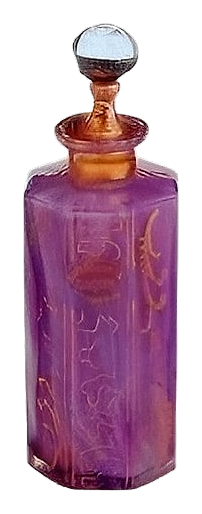
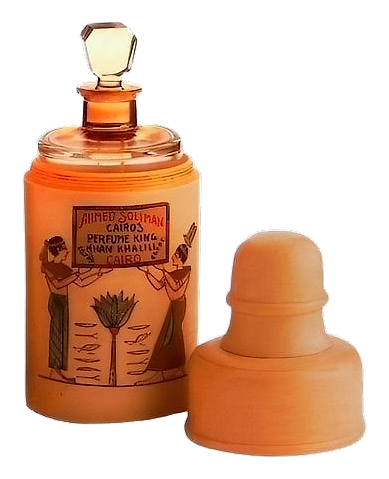
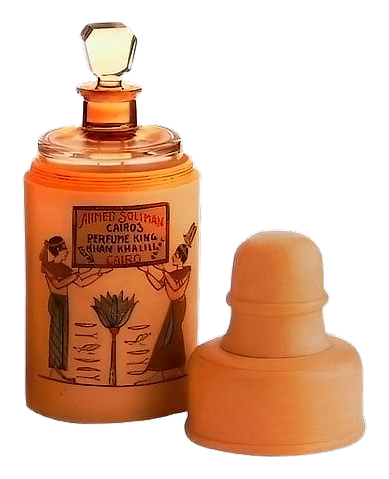
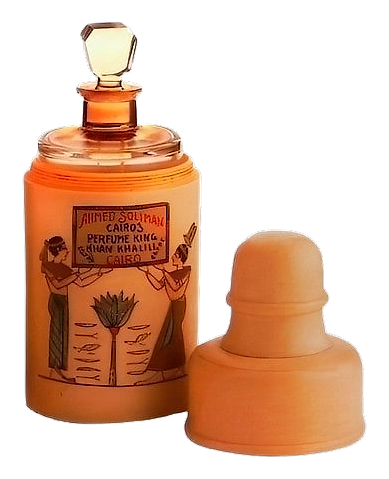
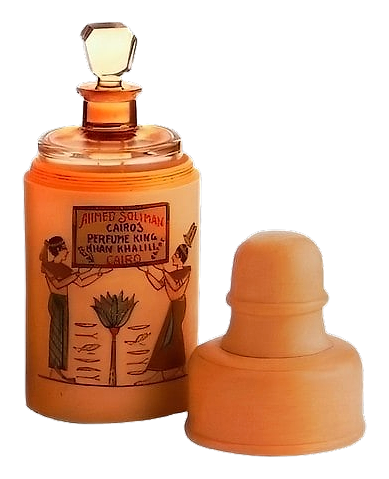
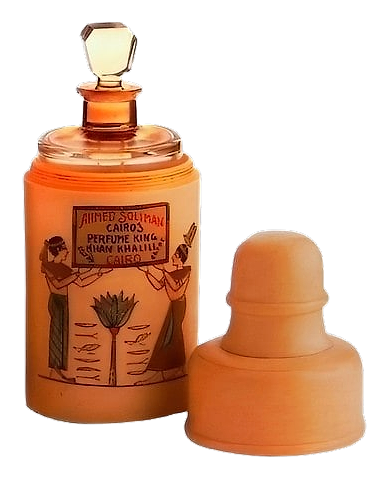
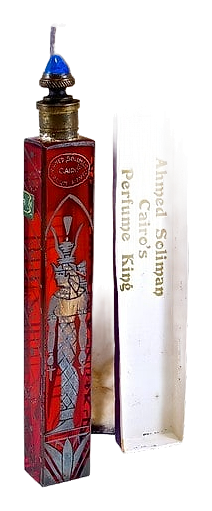
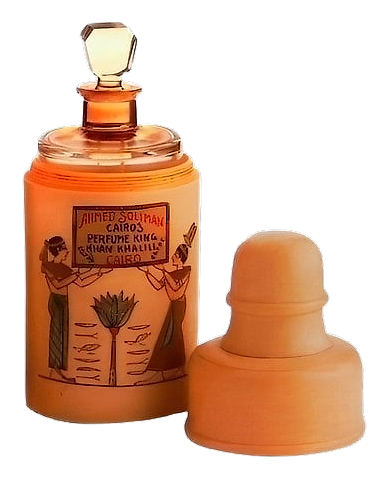
Ahmed Soliman El Mowardi (1906-1956) earned a title that no commercial campaign could buy: Cairo's Perfume King. Working from a shop in the storied Khan el-Khalili Bazaar, he built a reputation during the first half of the twentieth century as one of Egypt's most sought-after artisanal perfumers. His position in the heart of Cairo's old commercial quarter placed him at a crossroads of trade and tradition, where buyers from across the region knew to seek him out for blends rooted in classical Arabian perfumery. The fragrances that survive from his atelier are scarce, making him a cult reference among collectors of vintage Middle Eastern scent. Surviving sets, such as the rare 1950s four-piece collection, feature presentation pieces like the Cleopatra flacon, evoking an era when Soliman's name carried real weight in the trade. His work leaned on the dense, resinous materials that defined Egyptian perfumery at its most luxurious, and his oils continue to surface in collector circles as markers of a pre-industrial golden age of the craft. For those who encounter his compositions today, Soliman represents a particular kind of perfumer: one who blended as a master of materials rather than as a marketer of trends. His legacy rests on the bottles that still smell of amber, spice, and the bazaar air of mid-century Cairo.
The hits
Notable creations

The signature
How Ahmed composes
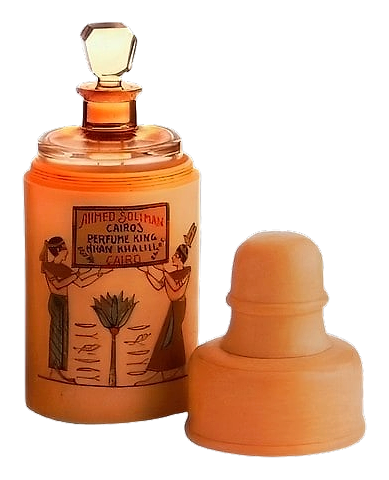
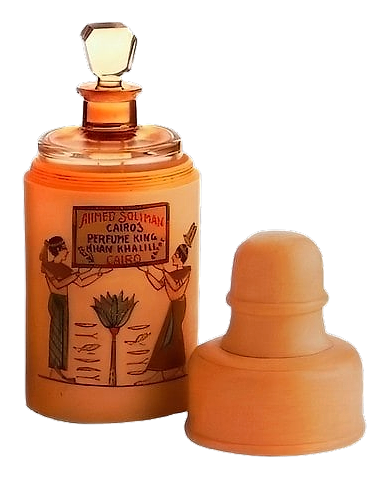
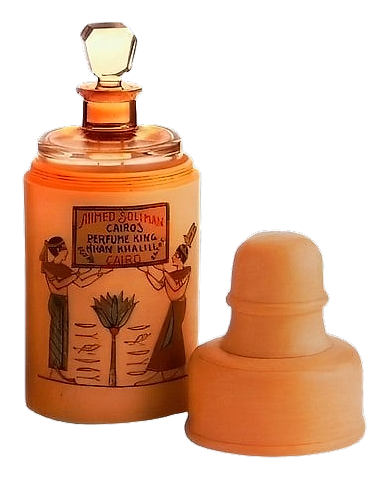
Soliman's surviving signatures all orbit around amber in its heavier, resinous form, the kind of saturated base note that defined mid-century Egyptian perfumery before lighter Western styles reached the market in force. He built on this foundation with classic supporting acts: rich spice accords, warm woods, and florals including rose and jasmine that added lift without softening the density below. Vintage bottles from his shop are described by collectors as having an unmistakable soapy, antique opening that quickly resolves into something warmer and more opulent, a two-stage signature typical of the period. The longevity reported on these compositions suggests generous use of natural resins and possibly deer musk or related animalic fixatives, materials considered standard in high-end Middle Eastern perfumery of the era. Presentation mattered to Soliman as well. The surviving four-piece sets include weighty, decorative flacons designed as objects in their own right, evidence that he treated his fragrances as luxury goods intended for display. The Cleopatra bottle in particular reflects the era's appetite for pharaonic references in Egyptian branding, a visual language he deployed confidently.
Philosophy
What drives Ahmed
Soliman worked in an age when a perfumer's reputation preceded any advertising. Operating from Khan el-Khalili, he competed on the quality of his oils and the loyalty of his clientele, a world where craftsmanship spoke louder than branding. His approach drew from the classical Egyptian tradition of building compositions around rich naturals: heavy amber bases, warm resins, and floral absolutes that had been prized on the route between the Levant and North Africa for generations. The philosophy embedded in his surviving work reads as one of material honesty. Rather than chasing novelty, Soliman appears to have refined and reinterpreted familiar structures, the amber-dominated orientals and spiced florals that defined his market. Each composition seems built to linger, to announce itself with the kind of sillage appropriate for a couturier or a diplomat visiting the old souk. That he is remembered as Cairo's Perfume King rather than a specific brand name suggests his standing rested on the strength of his atelier and the trust of repeat customers, a reputation earned one decant at a time in a city that takes perfume seriously.
The houses
Maisons Ahmed composes for
In the same league