The Story
Why it exists.
The beginning
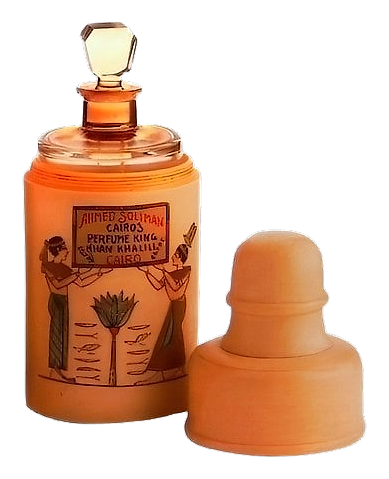
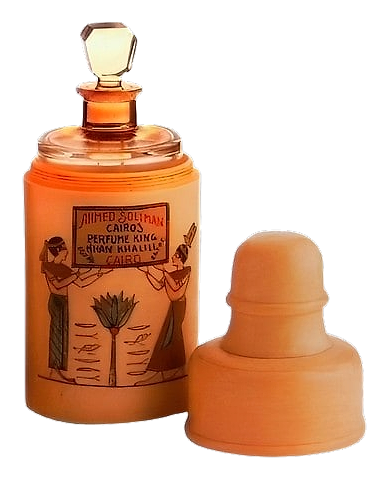
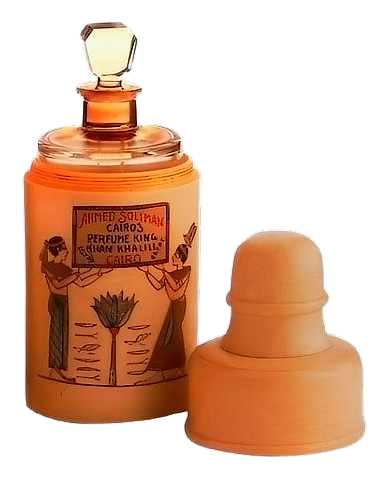
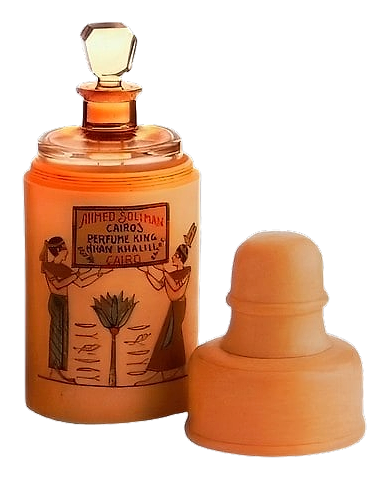
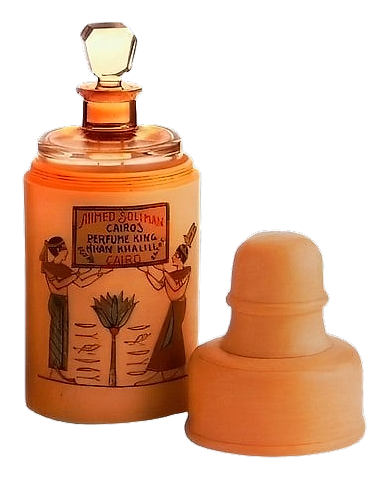
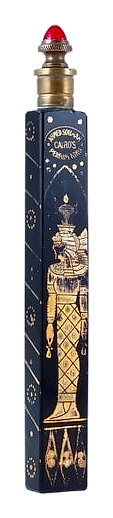
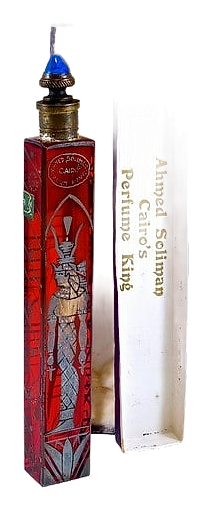
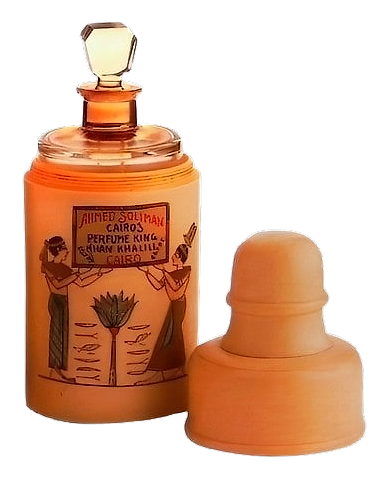
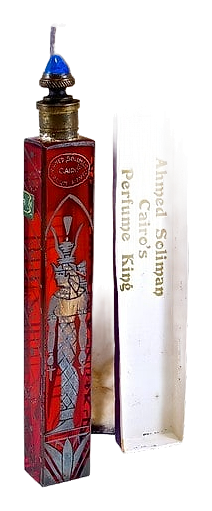
Le Caire, French for Cairo, carries a name that gestures at a specific city, a specific street memory, a specific sensory world. By 1925, Ahmed Soliman had been working in the perfume trade long enough to earn the informal title Perfume King of Cairo, a reputation built slowly through years of concentrated attars sold to clients who knew their frankincense from their sandalwood. The title was less about marketing and more about recognition, the kind of nickname that arrives when a perfumer's work becomes inseparable from a place.
What makes Le Caire worth knowing is its place within a perfumer's catalog that included Attar of Roses, Frankincense, and Sandalwood, all built on the same raw material culture that fed Levantine perfumery for generations. Soliman's work drew from regional trade routes that had carried these materials across borders and centuries, and the compositions he assembled were meant to last rather than to sparkle.
The evolution
On skin, Le Caire opens with a soft rush of warm, dusty florals, the kind of impression that reads as organic rather than composed, less like a fine fragrance and more like something gathered rather than designed. The first minutes carry a brightness that feels almost green at the edges, vegetal in a gentle, bruised way rather than sharp. By the half-hour mark the composition thickens noticeably. Whatever florals led the opening pull back, and the base material steps forward with weight, dragging the scent somewhere heavier and resinous, smoky and stone-cold, with nothing polite or ingratiating about it. This is where Le Caire stops being decorative and starts being specific. The drydown is the whole point.
Cultural impact
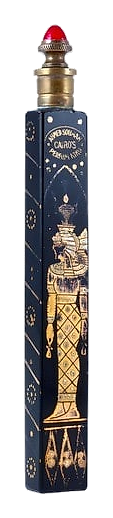
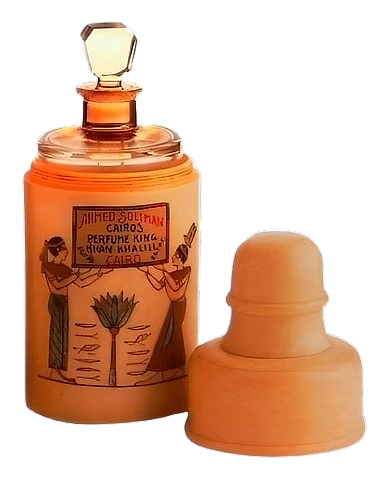
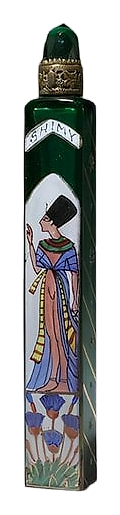
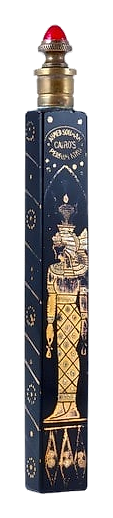
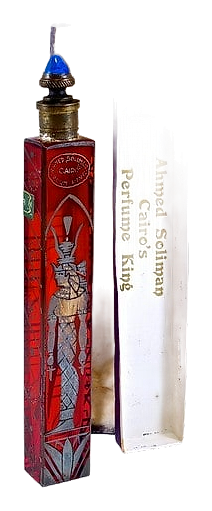
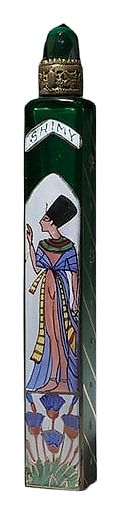
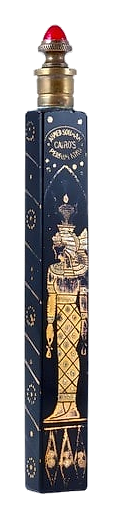
Le Caire belongs to a small catalog of fragrances associated with Ahmed Soliman's house, a body of work that sits within the broader tradition of early twentieth-century Egyptian attar production. The compositions themselves, built from regional materials and designed for slow wear, reflect the raw material culture that had shaped Levantine perfumery for generations, and the bottles they came in have become objects of interest to collectors of early vanity pieces.