The Story
Why it exists.
The beginning
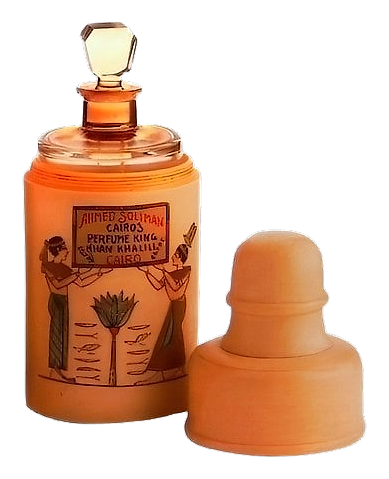
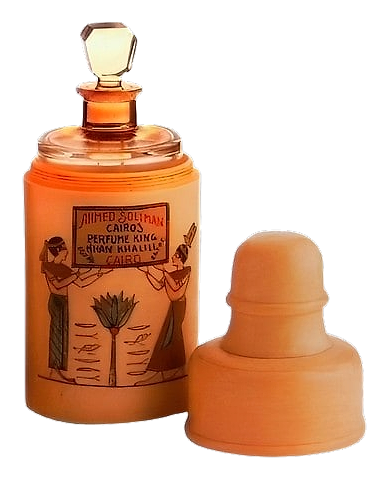
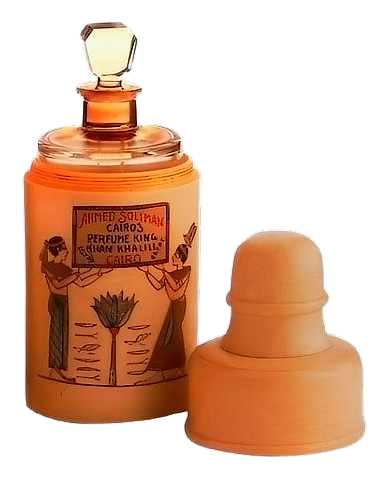
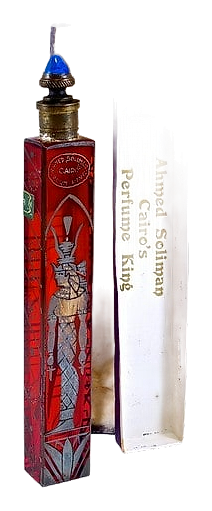
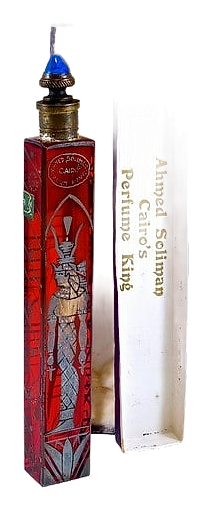
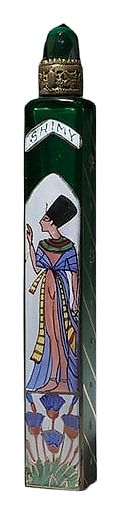
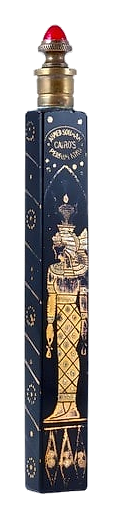
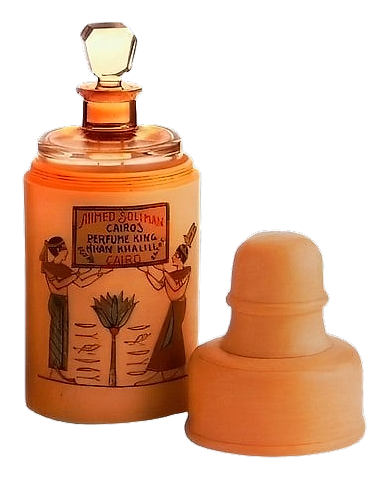
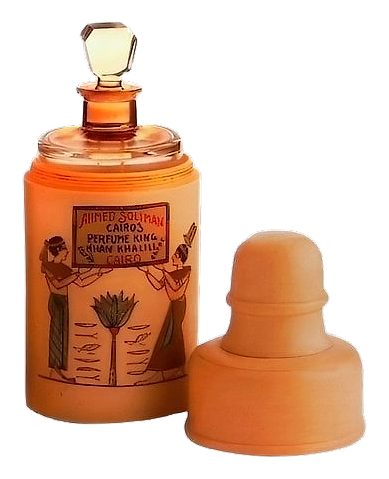
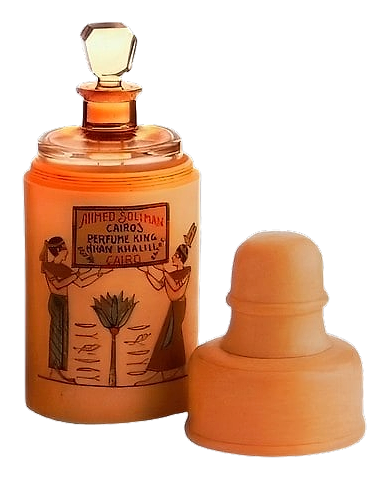
Released in 1921, Attar of Roses arrived during Ahmed Soliman's first years operating out of Khan el-Khalili, the ancient Cairo bazaar where oils, spices, and incense have been traded for centuries. The composition was a direct expression of the house's commitment to concentrated attar formats, a method far older than the alcohol-based extraits arriving from Europe at the time. For a perfumer who styled himself the Perfume King of Cairo, a rose attar wasn't a novelty. It was a statement of intent. The region had been distilling rose in oil for generations. Soliman's version simply made that tradition available in a presentation that matched the ambitions of early twentieth-century Egyptian decorative arts.
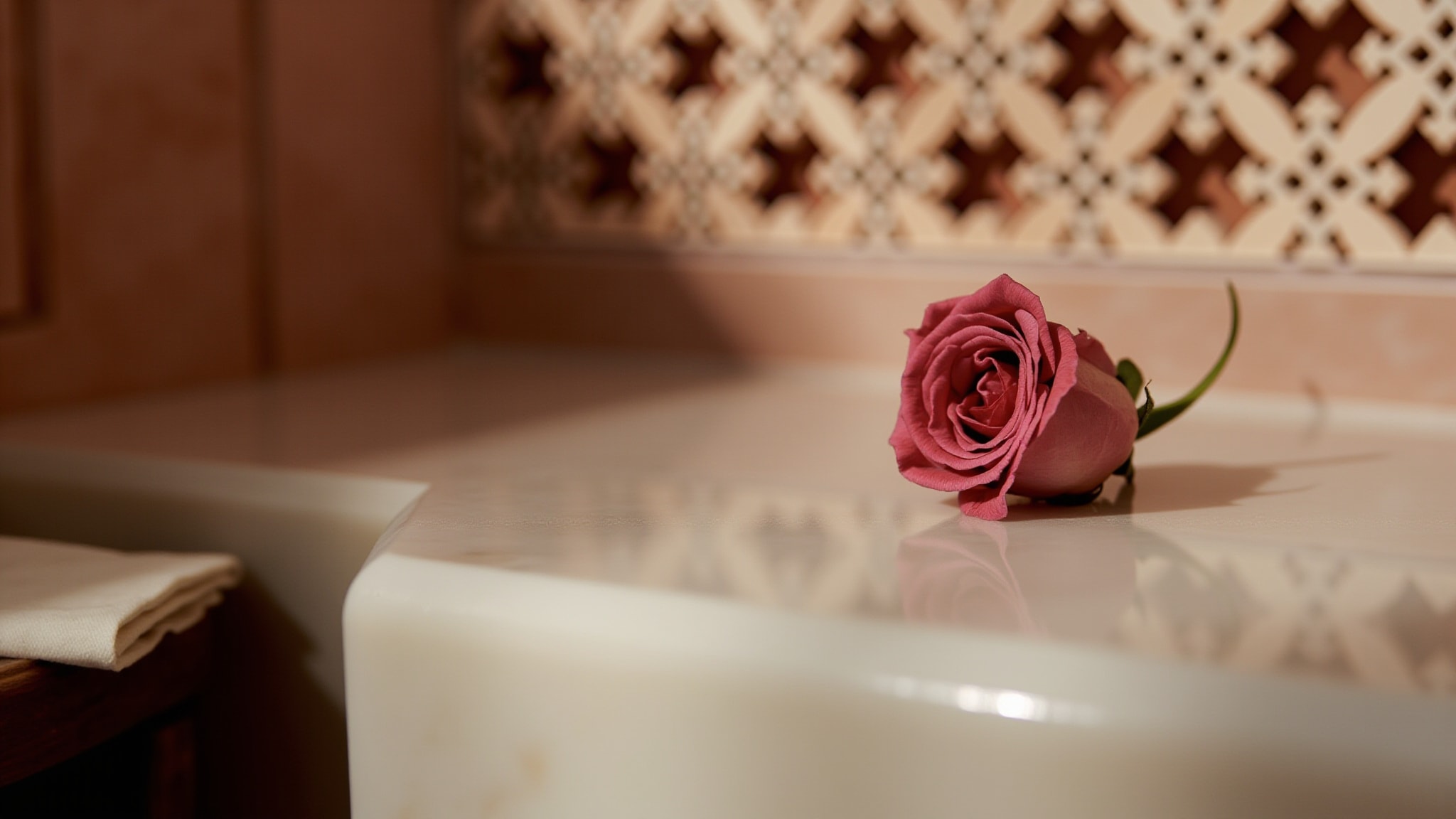
The rose note in Attar of Roses carries the weight of regional significance. In Egypt, rose oil has long held a central place in ceremonial and domestic life, from perfuming linens to flavoring sweets. The heart of this composition is that tradition distilled to its simplest form, floral softness layered around a dominant rose accord. There's no citrus sparkle engineered to catch attention. No base note engineered to anchor it for modern sillage expectations. Just rose, the way the bazaar has always understood it.
The evolution
This is a concentrated attar, not an eau de parfum, and that changes everything about how it wears. The opening arrives already in the heart, rose oil pressed close to the skin with almost no top-note preamble. For the first 30 minutes, the rose reads dense and slightly green, the way petals feel when you crush them between your fingers. There's a faint waxy undertone, the carrier oil speaking. By the two-hour mark, the sharpness mellows into something rounder and warmer, rose deepening into a darker, almost jammy register. The drydown is where the format earns its name. What remains after four to six hours is a whisper of rose clinging to fabric and skin, barely there if you press your nose to your wrist, but unmistakable if someone leans close. On clothes, it lingers into the next day, faded but persistent, like a memory of the flower rather than the flower itself.
Cultural impact
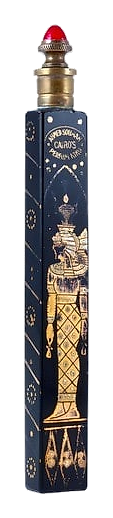
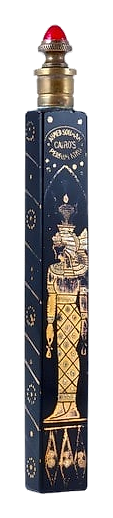
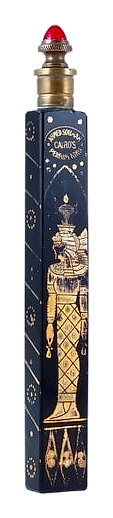
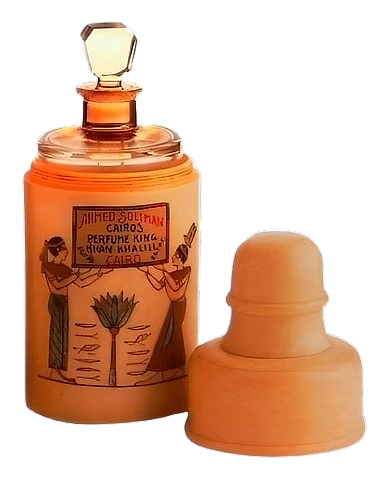
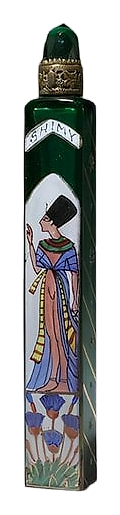
Attar of Roses sits within a tradition far older than the brand itself. The format, rose oil in its purest concentrated form, is the way rose has been worn across the Middle East for centuries. Ahmed Soliman's 1921 version didn't invent the category. It offered it in a presentation that matched the era's appetite for decorative objects, art deco bottles with pharaonic motifs housing something ancient. Today, the original bottles are collector's items, the scent inside less a competitor to modern rose fragrances than a different kind of object entirely.