
The Story
Why it exists.
The beginning
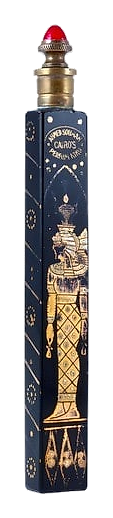
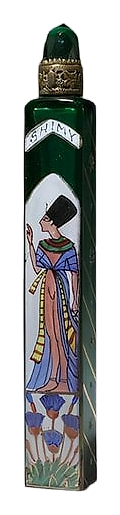
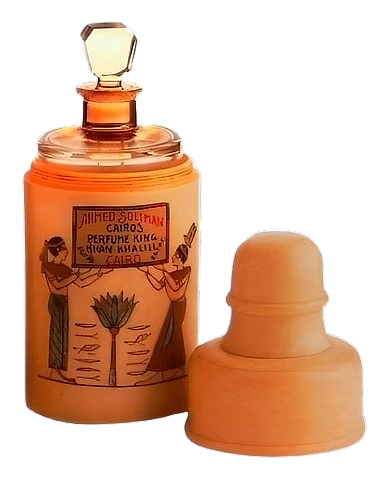
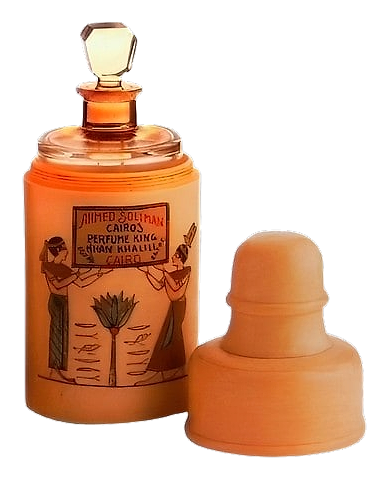
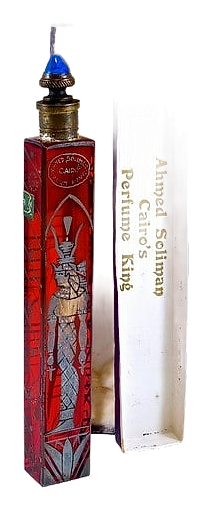
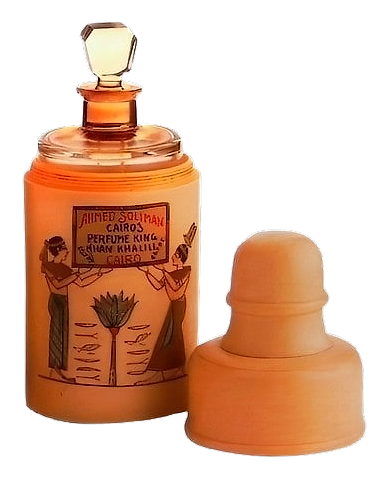
Morning Glory arrived in 1925 from the workshop of Ahmed Soliman. The composition sits within a catalog that has documented presence across multiple sources, with Nefertiti appearing in the brand's listed offerings. The name itself is unapologetically floral, a quiet assertion that the perfumery behind it drew as much from gardens as from the materials of the trade. There is a directness in calling a fragrance Morning Glory, a confidence that the floral reference carries enough weight to stand on its own without adornment or explanation.
What makes a 1925 composition like Morning Glory distinctive is the sensibility behind it. The fragrance operates on its own terms, with a directness that reflects a different era of perfumery, one that predated the branding logic and market segmentation that would come to define the industry. The name Morning Glory carries obvious floral weight, and the composition follows through on that promise without dilution or compromise. Among the brand's catalog, it occupies a particular place, distinctive in its floral focus and in the clarity of its structure.
The evolution
The opening arrives green and deliberate, carrying a clean brightness that suggests the earliest hours of the day. There's a clarity to it, a freshness that feels specific rather than generic, the kind of green that has texture and temperature rather than just color. As the first thirty minutes pass, the composition begins to warm, pulling back from pure brightness into something with more body and more presence underneath. The floral heart takes over gradually, not all at once, but in stages, with the green top notes retreating slowly rather than disappearing. The drydown settles into something quieter and more intimate, the composition drawing closer to skin as the hours pass. What lingers most is a soft, warm presence that feels less like a base note and more like the memory of the fragrance itself, present hours later, subtle, unmistakably there.
Cultural impact
Morning Glory exists in a rare category, a 1925 composition still surfacing in fragrance history a century after release. It belongs to a body of work that emerged from a perfumery tradition with its own lineage and its own sense of what a composition should be, a tradition that produced fragrances of distinctive character long before the global market consolidated around a handful of houses. The fragrance carries cultural weight not because of branding or campaign machinery, but because of what it is and what it represents.