The Story
Why it exists.
The beginning
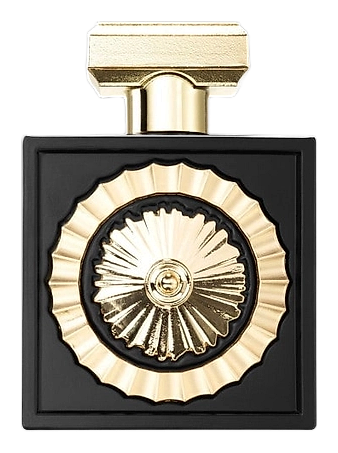
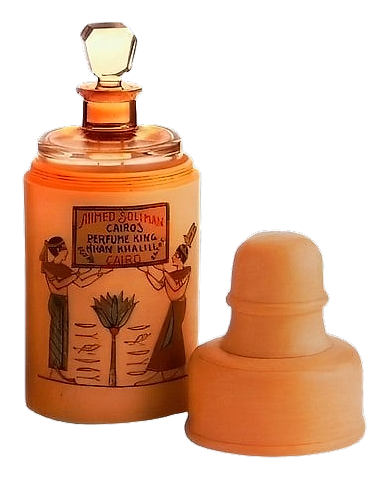
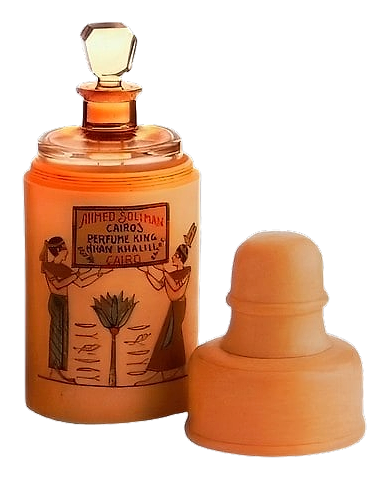
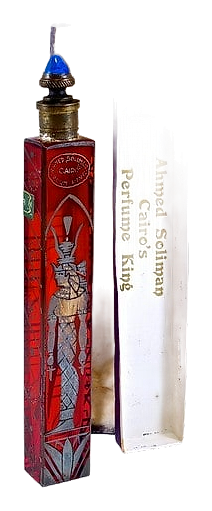
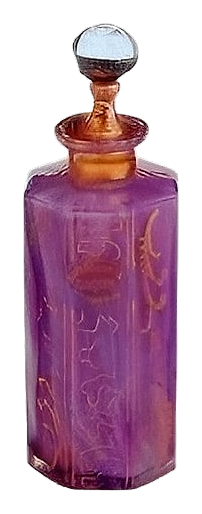
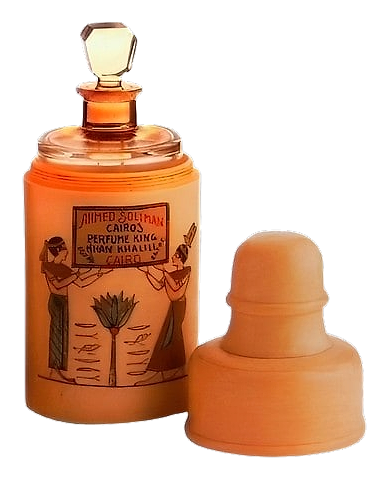
Ahmed Soliman released Arabian Night in 1925, during a decade when his name carried real weight in Cairo. The perfume trade there had long traditions that reached back centuries, built on regional materials, local craft, and an audience who knew what they were smelling. Soliman worked within that world rather than against it, producing scents for people who wanted the real thing, not a diluted version meant for export. The name itself reaches for something older than branding. Arabian Nights. A title that pulls from a long lineage of Eastern narrative, stories told in markets and courtyards, passed down through generations before any European hand touched them. Soliman, working in the actual East, claimed that inheritance without irony or marketing flourish.
The interesting thing about a 1925 oriental is the patience it assumes. The fragrance moves slowly from the moment it touches skin, holding back, refusing to announce itself in the bright top-note rush that later formats popularized. What arrives is denser and more deliberate than what became standard in the decades that followed. The oils sit close rather than projecting outward, which means the scent rewards the wearer who leans in rather than the stranger across the room. This is a format that asks for intimacy, for the kind of attention most modern fragrances have stopped demanding.
The evolution
The first hour moves slowly, with no rush to reach any destination. The oils sit close, releasing in waves rather than bursts, building a presence that has to be sought out rather than stumbled into. The opening has a meditative quality, heavy and still, the kind of scent that rewards the wearer who leans in close to catch what it's doing. There is no sharp edge to greet the nose, no bright citrus note cutting through to announce the perfume's arrival. Instead, the first thirty minutes feel almost deliberate in their restraint, as if the composition knows it has hours to fill and no intention of wasting them at the start. What emerges in the middle stretch has a warmth to it, a golden quality that reads more like candlelight than daylight, the kind of scent that feels more comfortable indoors than out.
Cultural impact
Arabian Night sits in a corner of perfume history that rarely gets discussed in mainstream fragrance coverage. It comes from a moment when regional perfume traditions still operated on their own terms, producing work for local audiences who had clear opinions about what counted as authentic. The fragrance represents a kind of perfume-making that existed before international distribution reshaped what regional houses thought about when they composed. Wearing Arabian Night today is less about a fragrance choice and more about choosing a lineage, a connection to a period when perfume could be regional without apology.