
The Story
Why it exists.
The beginning
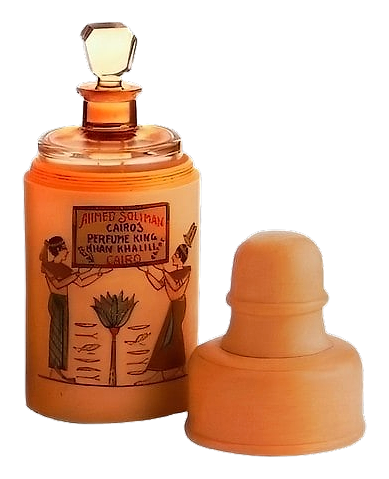
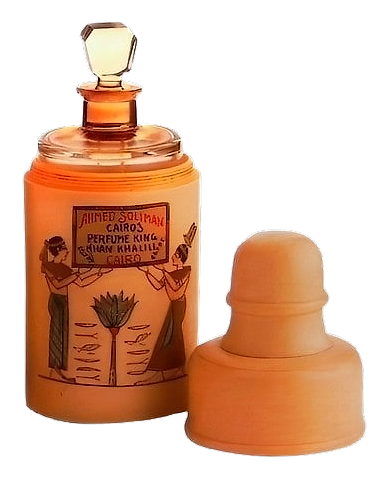
The reference for Nefertiti is the ancient bust that has functioned as shorthand for feminine beauty since its discovery. Ahmed Soliman launched this composition in 1925, framing it as a kind of aromatic escape, a way to visit an ancient aesthetic without leaving the city. The bottle contains the perfumer's interpretation of that icon, a deliberate act of translation from stone to scent, from object of reverence to something wearable. The name alone carries centuries of cultural memory, the immediate association of a face so widely reproduced that even those who have never seen the original sculpture can sketch its profile from memory.
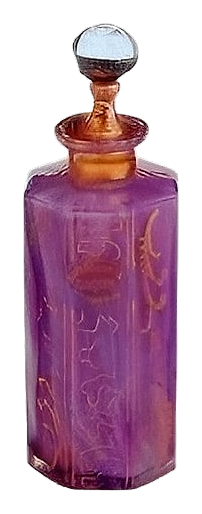
What makes a fragrance built around a historical name work is whether the scent itself carries enough presence to justify the title. Without specifics of composition to anchor the discussion, the appeal has to live somewhere else: in the texture of the juice, the weight of the bottle, the way the liquid catches light when the atomizer catches a sunbeam through a window. Floral constructions of this era often leaned on dense, almost honeyed jasmine rather than the sharper indolic varieties, pairing the floral lift against a base that kept things grounded.
The evolution
How a fragrance wears is part of its character, even when the precise notes on the pyramid are not publicly documented. Compositions of this vintage and style tend to open with something brief and bright before settling into their quieter registers, a built-in pacing that gives the first minutes a sense of anticipation. The middle phase is where most of the personality lives, and that's where a floral-led composition would hold its ground, rich enough to bloom for a good stretch before any base notes begin their slow takeover. Through the later hours, the warmer materials take over underneath, the kind of low hum that doesn't announce itself but keeps the composition from dissolving into nothing. On skin across a full day, a scent like this tends to stay personal rather than projective, something a person leaning close would catch rather than something that fills a room.
Cultural impact
Nefertiti sits within a small tradition of figure-named fragrances that borrow the cultural weight of historical reputations and bend them toward something wearable. The name itself does a particular kind of cultural work: it immediately signals elegance, symmetry, and a kind of timeless femininity that has survived every fashion cycle of the past century. Anyone who wears it is participating in that shorthand, whether they intend to or not.