The Story
Why it exists.
The beginning
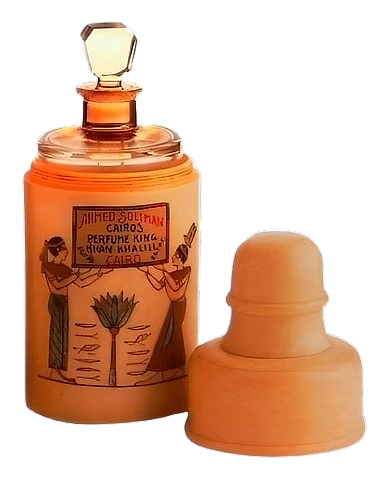
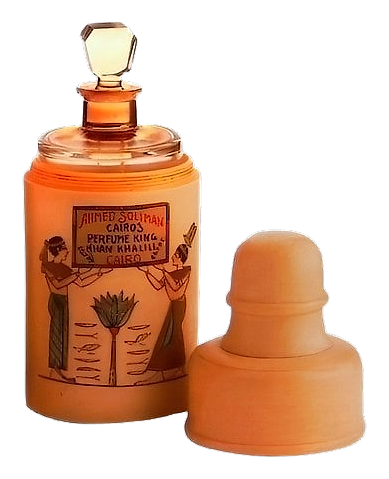
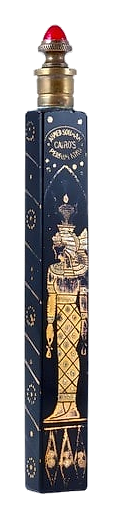
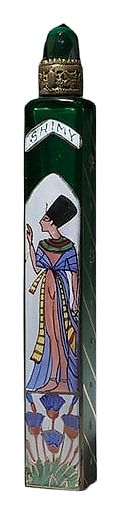
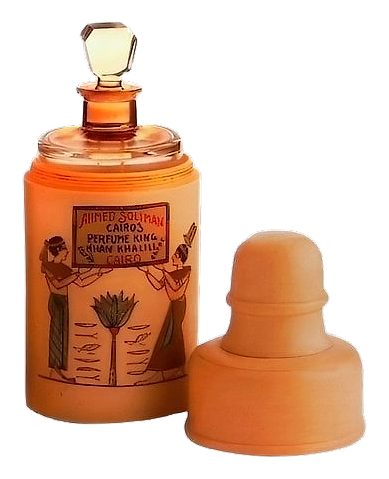
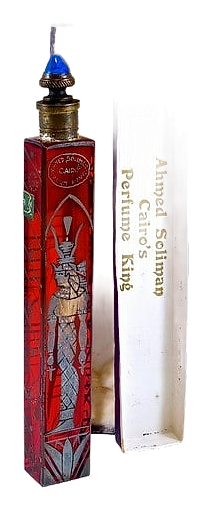
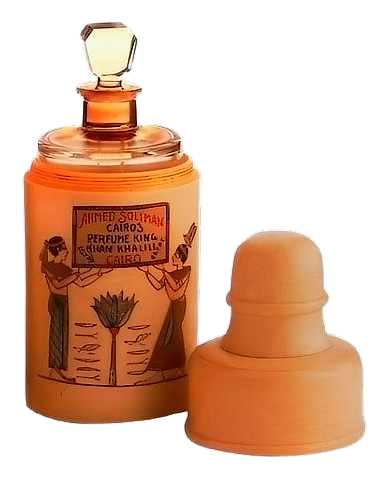
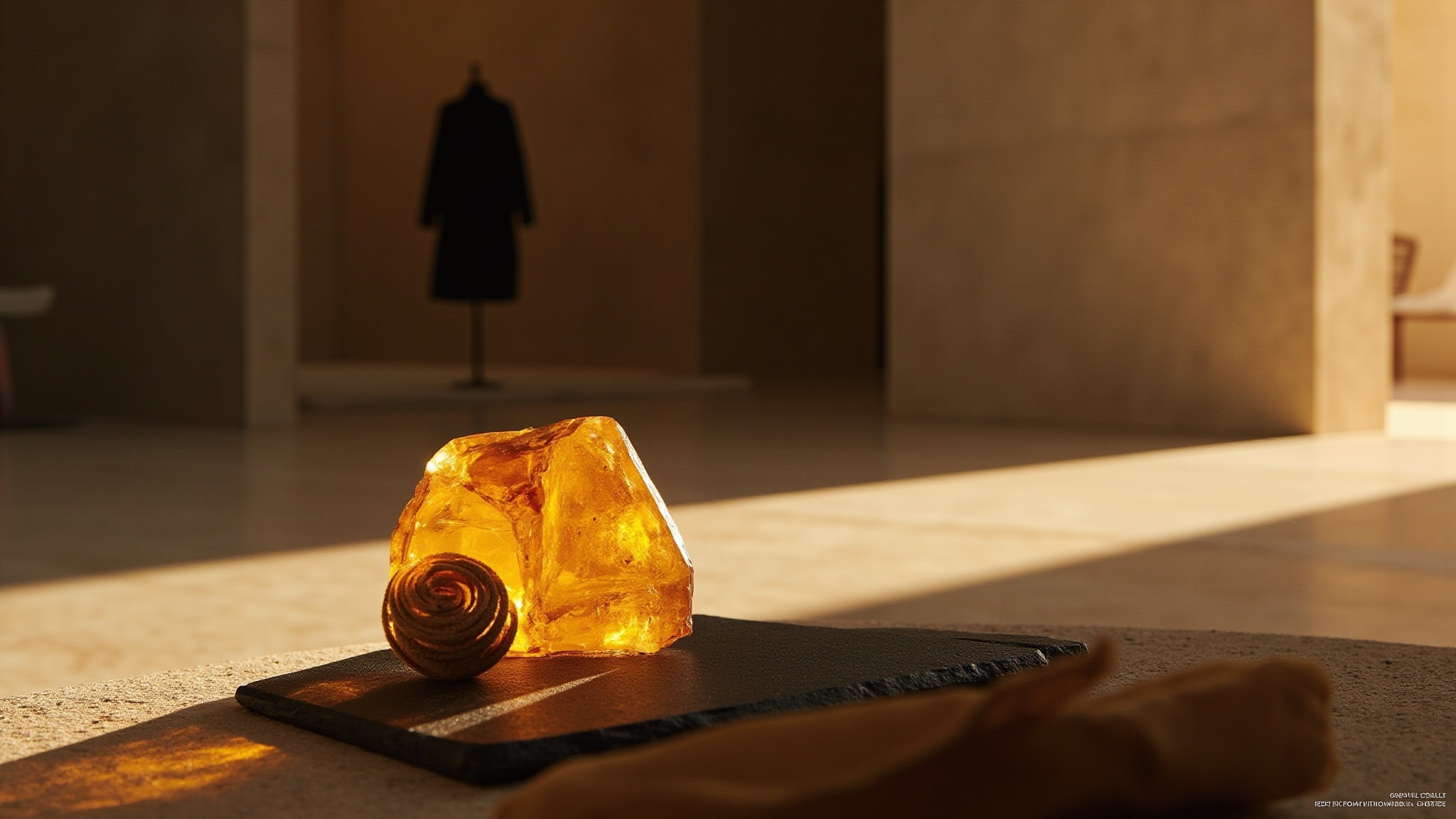
Ahmed Soliman approaches perfumery with an ear tuned to the Arabian tradition rather than the European floral and fougere canon taught in most schools. His work draws on a deep familiarity with resin-based compositions, the kind built around labdanum, frankincense, and aged oud rather than the bright citrus colognes or fresh aquatics that dominate Western retail. Antique Ambar reflects that orientation from the first spray. The composition leans fully into the amber-resin vocabulary, treating warmth and density as the point rather than something to cut through. The result is a fragrance that asks the wearer to sit with it, to let the resins unfold on skin over hours rather than chase a clean, linear opening.
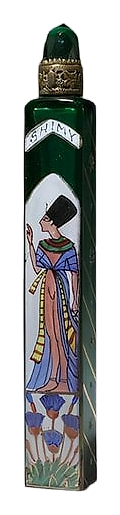
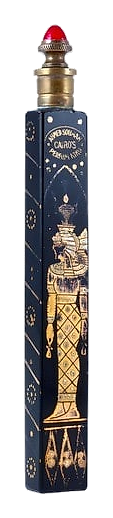
Antique Ambar has a documented release history stretching back to 1919, making it one of the older entries in any discussion of Arabian amber perfumery. The fragrance has passed through several hands since its first appearance, with Ahmed Soliman's version representing a particular interpretation of the original concept. The formula centers on labdanum and frankincense as the structural pillars, with additional resin materials rounding out the composition.
The evolution
Antique Ambar presents a dense resin character from the outset, and the composition maintains that weight throughout the wear. On first application, the amber accord arrives fully formed, sticky and warm, with the labdanum and frankincense reading as the dominant forces rather than supporting players. There is no bright citrus opening to lighten the load, no sharp spice to cut through the density. Instead, the fragrance opens the way a traditional mukhayat opens: with resin on skin, building slowly as body heat coaxes out the deeper facets. As the hours pass, the texture shifts from the initial almost-tarry sweetness of fresh labdanum toward something drier and more meditative. The frankincense loses its brightest top notes and settles into a smoldering, low-register incense character.
Cultural impact
Antique Ambar has earned a place in conversations about traditional Arabian amber perfumery, particularly among wearers who value resin-forward compositions over lighter modern styles. The fragrance draws clear inspiration from classical mukhayat structures, and that lineage is apparent in the way the labdanum and frankincense carry the composition from first spray to final hours. For buyers familiar with the older traditions of Arabian perfumery, the profile reads as a continuation of familiar territory rather than a departure.