The Story
Why it exists.
The beginning
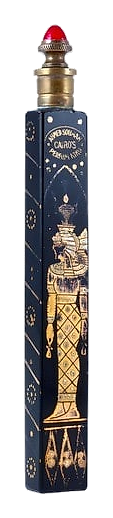
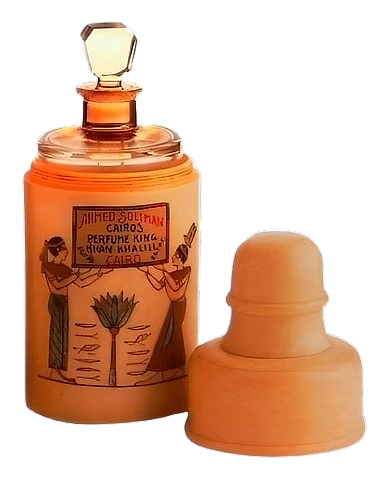
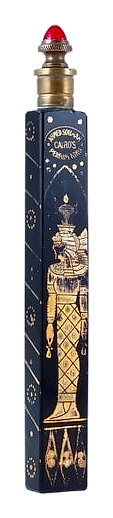
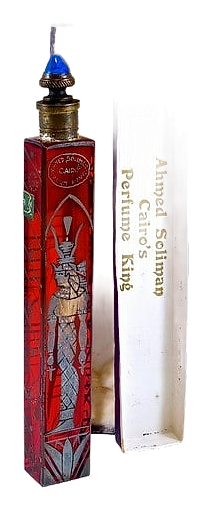
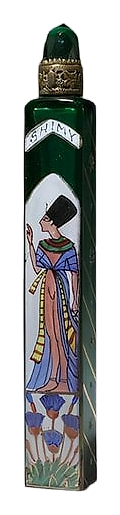
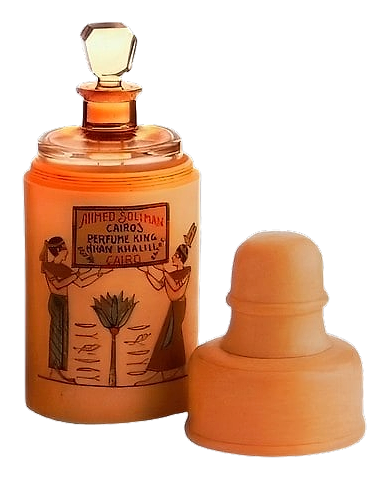
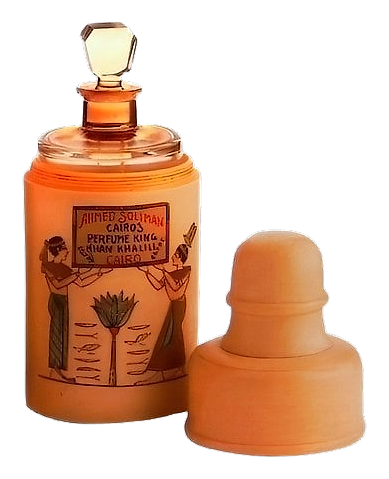
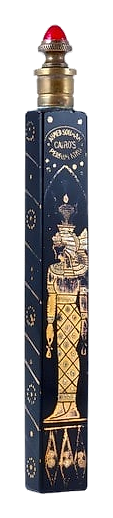
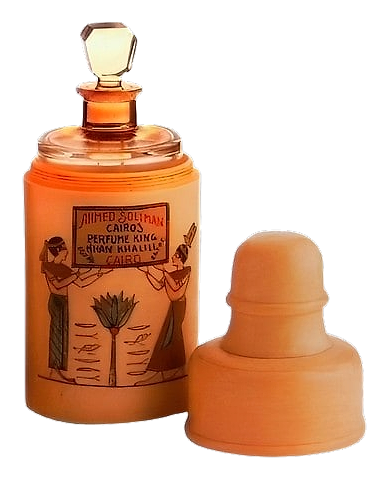
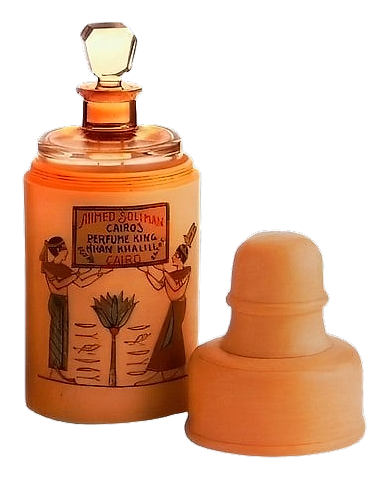
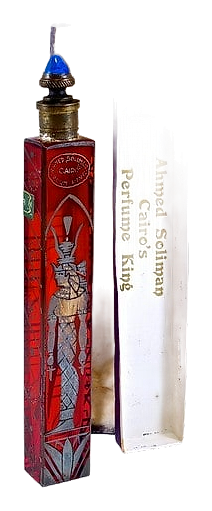
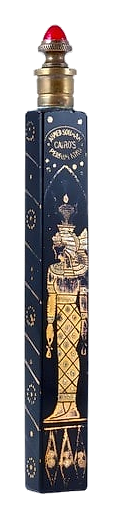
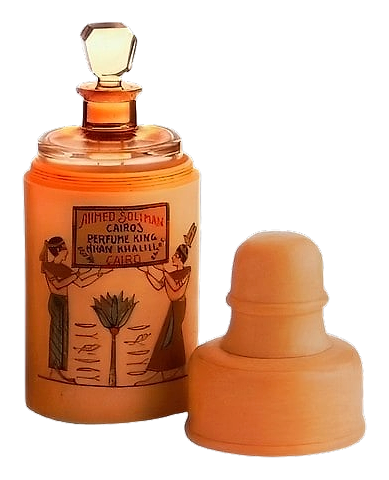
Violet by Ahmed Soliman arrived in 1925, a single-flower composition from a house with deep roots in Cairo. The fragrance belongs to a lineage that stretches back through a long tradition of Arabic perfumery, one in which the violet holds a place of particular reverence. Ahmed Soliman himself, known to collectors as Cairo's Perfume King, built a catalog around botanical directness, the belief that a single flower, treated with patience and care, could carry an entire composition without the scaffolding of complex pyramids. Violet stands as one of the quieter expressions of that philosophy, a fragrance that asks the flower to do the heavy lifting and, in doing so, proves the elegance of restraint.
What makes a single-flower composition from 1925 worth revisiting nearly a century later is the clarity of its intention. The fragrance commits to violet without apology, and that commitment reads as radical in any era, but particularly in a market crowded with heavy orientals and aldehyde-forward florals. The technical challenge of any composition built around a single botanical note is balance, and Violet threads that needle with a quiet confidence.
The evolution
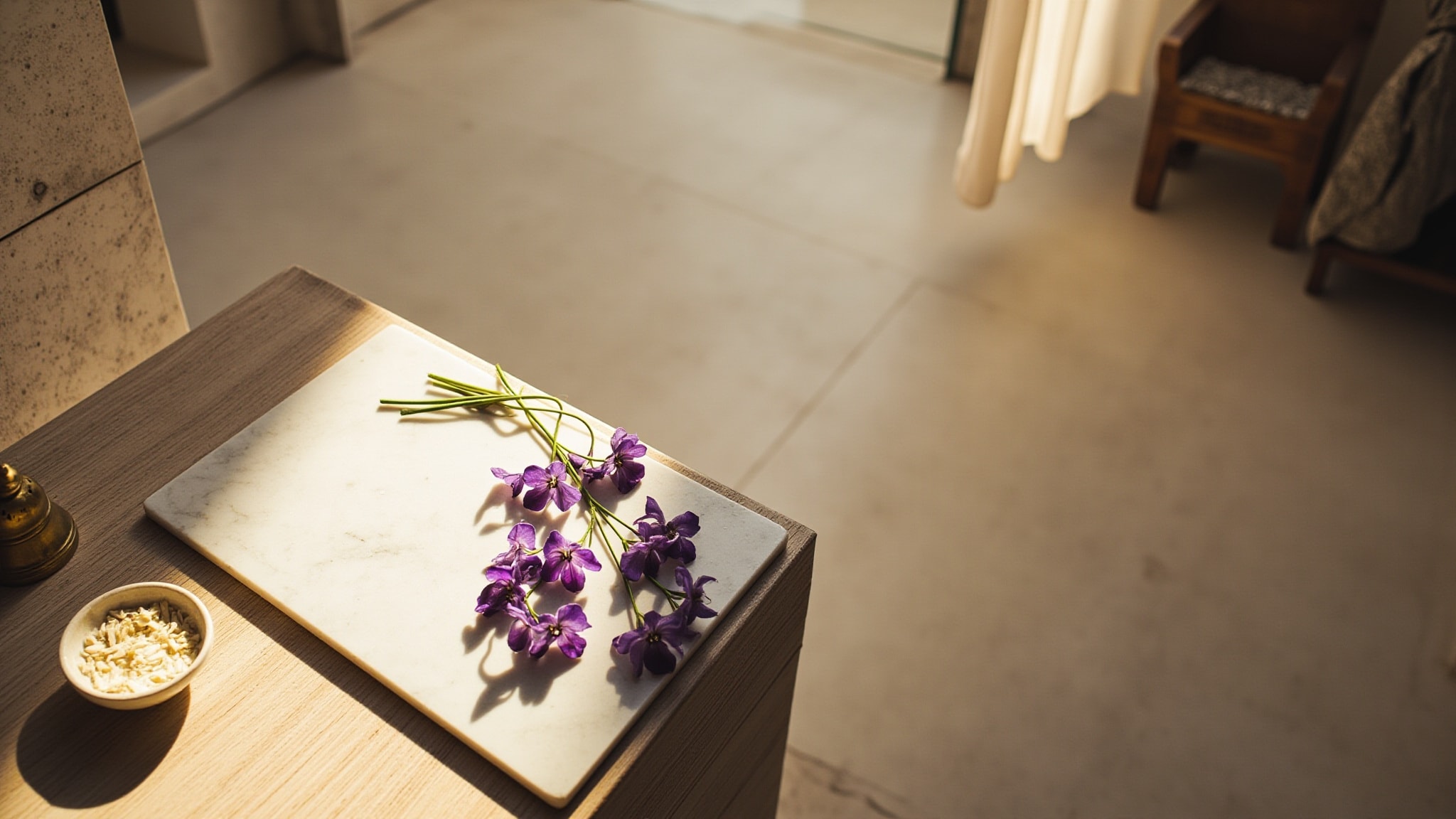
On skin, Violet opens with a cool, slightly green impression of the flower itself, the kind of brightness that feels less like a top note and more like the first breath of the fragrance before it settles into its true register. Within minutes the greenness softens, and the heart arrives: a deeper, sweeter violet, powdery in the way the flower itself is powdery, with a cool undertone that keeps the sweetness from ever tipping into the confectionery. The transition is unhurried, and the fragrance never announces its movements. The drydown brings a warm, slightly woody presence that softens the violet and holds it close to the skin, so the flower does not vanish into thin air but settles into something intimate and personal. The warmth wraps the violet gently, giving it a base on which to rest rather than a stage on which to perform.
Cultural impact
Violet belongs to a small tradition of early twentieth-century compositions built around a single flower, a category that has grown rarer with each passing decade and survives now mostly through vintage bottles and the quiet trade between collectors. Wearing it today is a slightly unusual gesture, closer to choosing an antique brooch than picking a new release, and that is exactly the point. The fragrance offers a way of stepping outside the current of contemporary launches and into a quieter lineage where one flower, given room to breathe, can carry an entire composition on its own.