
The Story
Why it exists.
The beginning
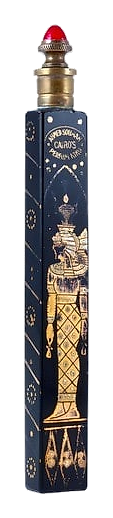
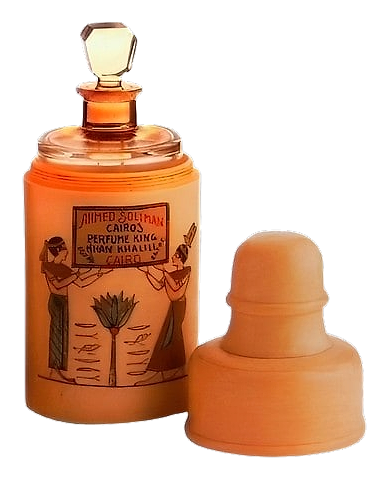
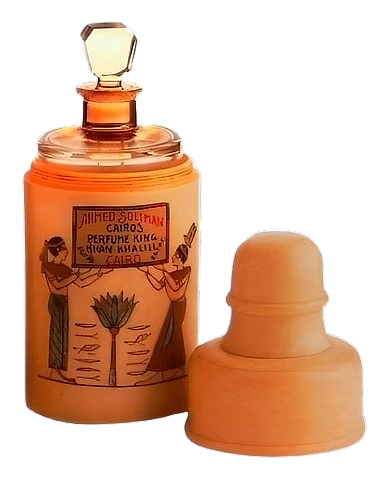
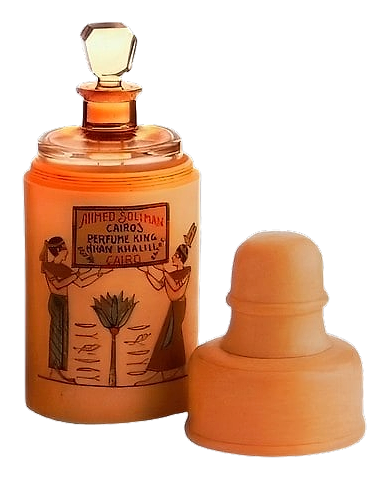
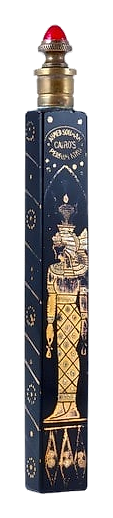
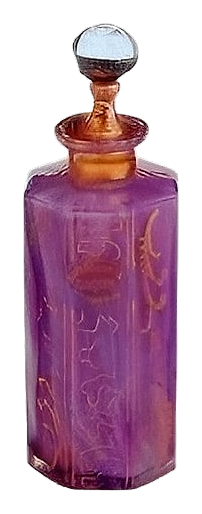
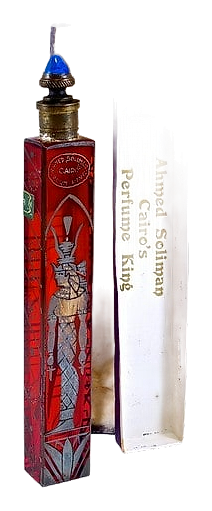
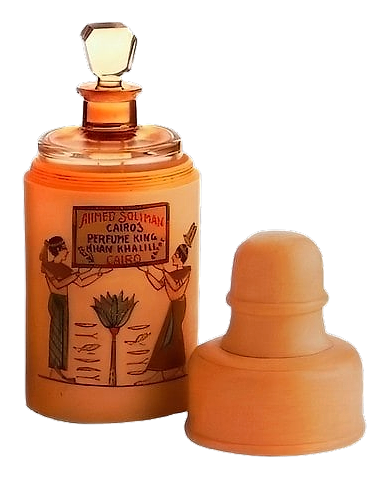
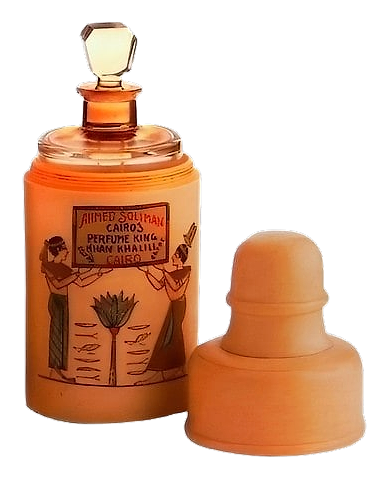
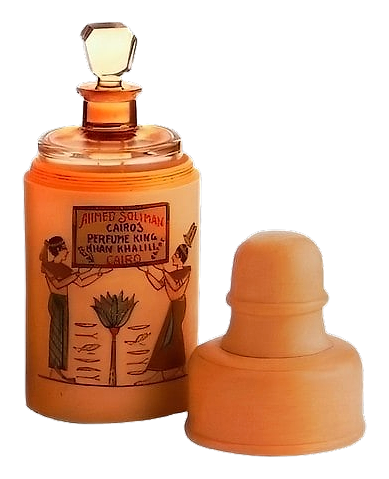
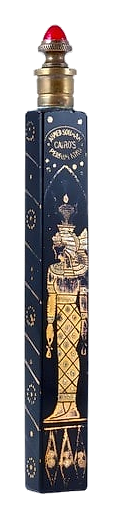
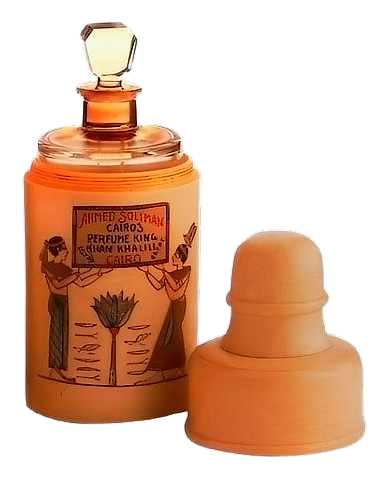
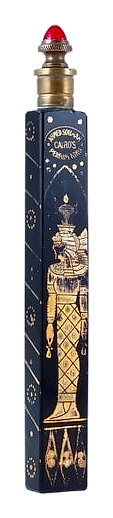
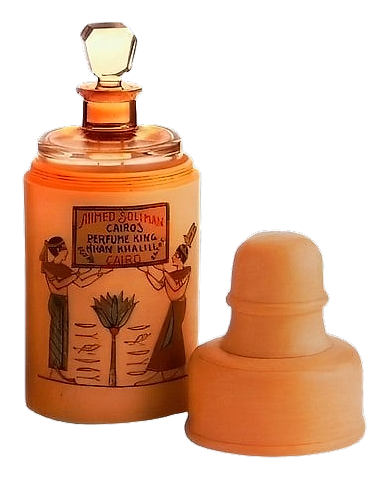
Ambar arrived in 1925 from Ahmed Soliman, an established Cairo perfumer of the early twentieth century. The composition stands as a serious study in resin, spice, and the animalic warmth that defines the region's classical perfumery vocabulary. By the time Ambar entered the catalog, Soliman had built a reputation as a central figure in Egyptian fragrance making, and this particular bottle reflects the heavy, slow-building style that runs through his range. There is nothing delicate about the composition on first encounter. It opens dense and deliberate, built from materials that reward patience rather than immediate projection.
What's interesting about Ambar is what it doesn't do. The composition leans entirely on the materials that defined Levantine perfumery: amber, soft enough to feel like powder, animalic enough to feel alive. The accords listed by wearers, amber, animalic, powdery, soft spicy, describe a scent that moves slowly and deliberately. There is no rush in this composition. Everything about it suggests a deliberate pacing, a refusal to perform the way lighter fragrances perform.
The evolution
Ambar begins heavy and stays heavy, but the character shifts beneath the weight. The opening presents warm resin with a faint bitter edge, dense and immediate in a way that sets the tone for everything that follows. Within the first portion of the wear the sharpness softens and a powdery quality moves forward, sweet but not sugary, closer to the dust of dried botanicals than to confection. As time passes the animalic accord rises through the composition. This is the warmth that makes Ambar feel less like a scent applied to the skin and more like a shift in the air around the wearer. The spice reappears in the later stages, but softened, almost smoldering, woven into the resin rather than sitting on top of it. The amber is the element that lingers longest, warm and slightly sweet, holding its shape through every phase of the drydown and remaining detectable well into the final hours.
Cultural impact
Ambar belongs to a category of early twentieth-century Egyptian compositions that reflect a heavier, more resinous approach to perfumery than the European extraits that dominated Western markets in the same period. It treats amber as a structural element rather than a light accent, building the entire composition around its warmth and weight. Wearing it connects the wearer to that older tradition of scent, one where a fragrance functions less as a decorative gesture and more as an atmosphere, quiet and continuous, carrying its presence close to the skin rather than projecting outward in a wide arc.