The Story
Why it exists.
The beginning
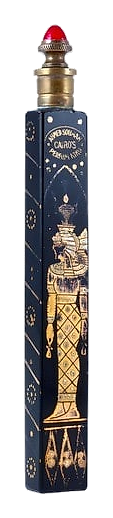
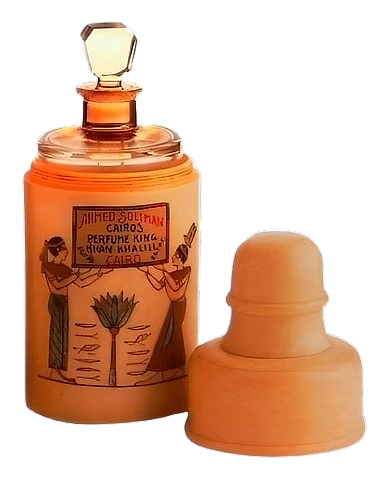
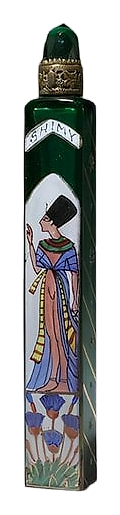
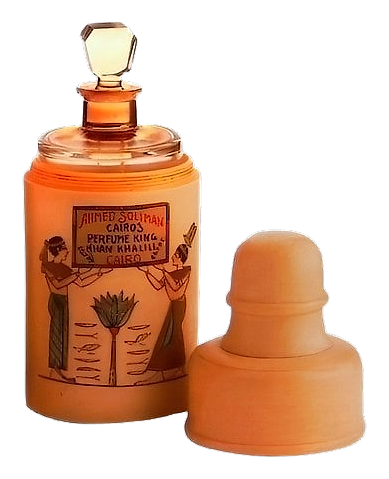
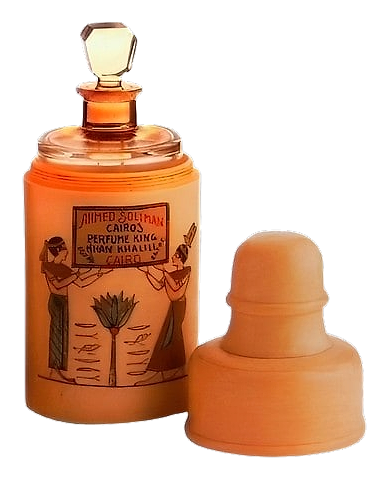
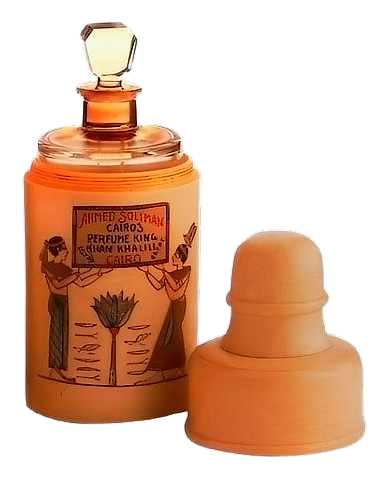
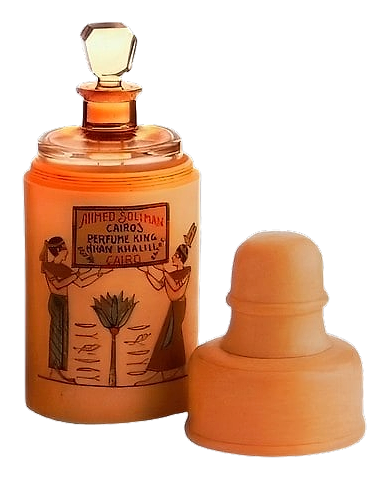
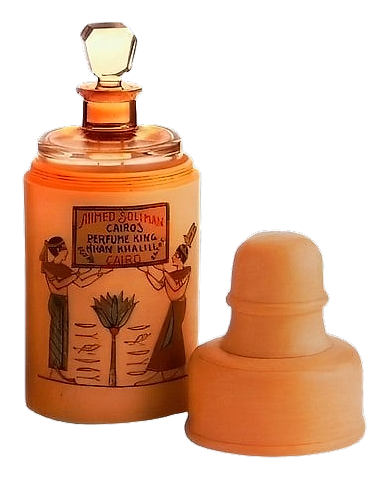
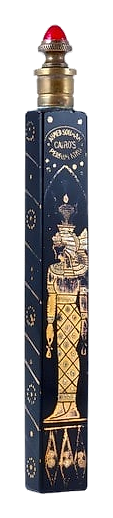
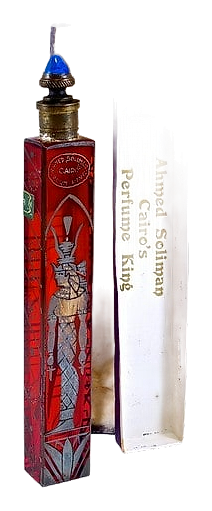
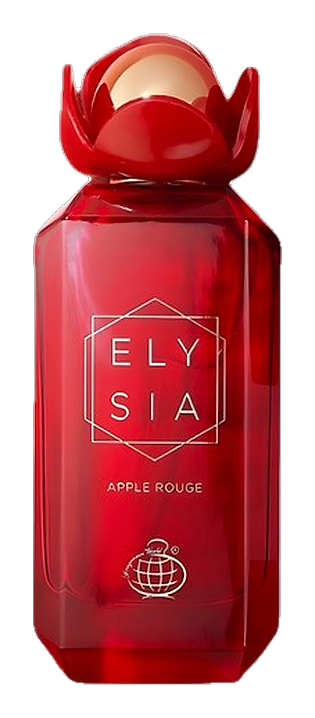
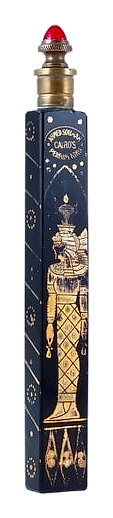
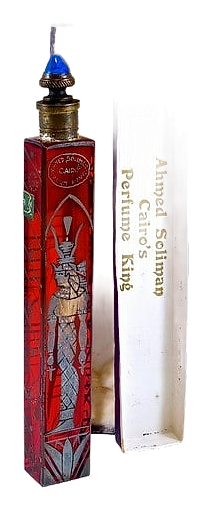
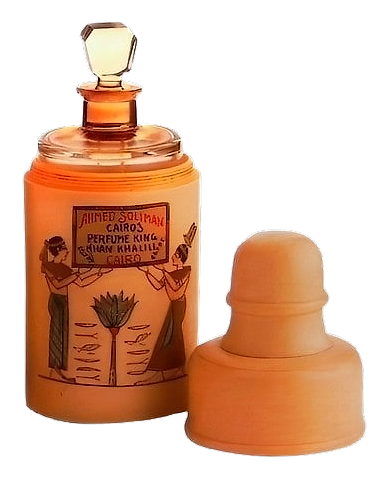
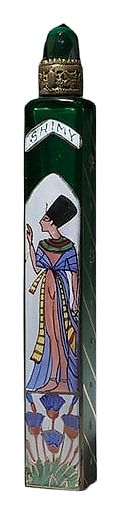
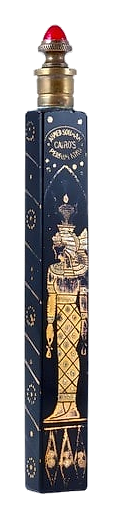
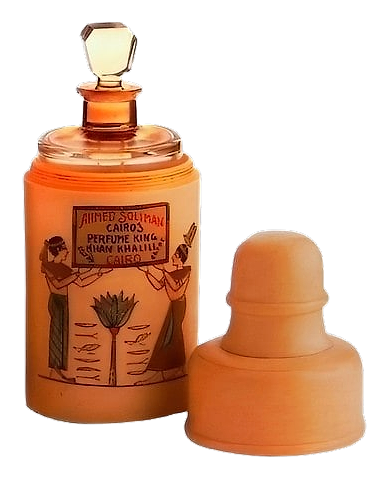
In 1925, Ahmed Soliman released a composition that earned a reputation that has lasted decades. Jasmine was not a layered extrait in the manner Paris had made fashionable. It was a single-flower offering, presenting jasmine without accompaniment. Soliman's name was already attached to distinctive bottles long before Jasmine appeared. The long rectangular red glass bottle, understated and narrow, became one of the visual signatures attached to his catalog. By the time this bottle left his workshop, Soliman had built a recognizable presence around a refined format: concentrated floral oils housed in elegant, collectible glass, presented as objects worthy of a dressing table or a collector's shelf. The brand identity rested on clarity of ingredient and restraint of composition.
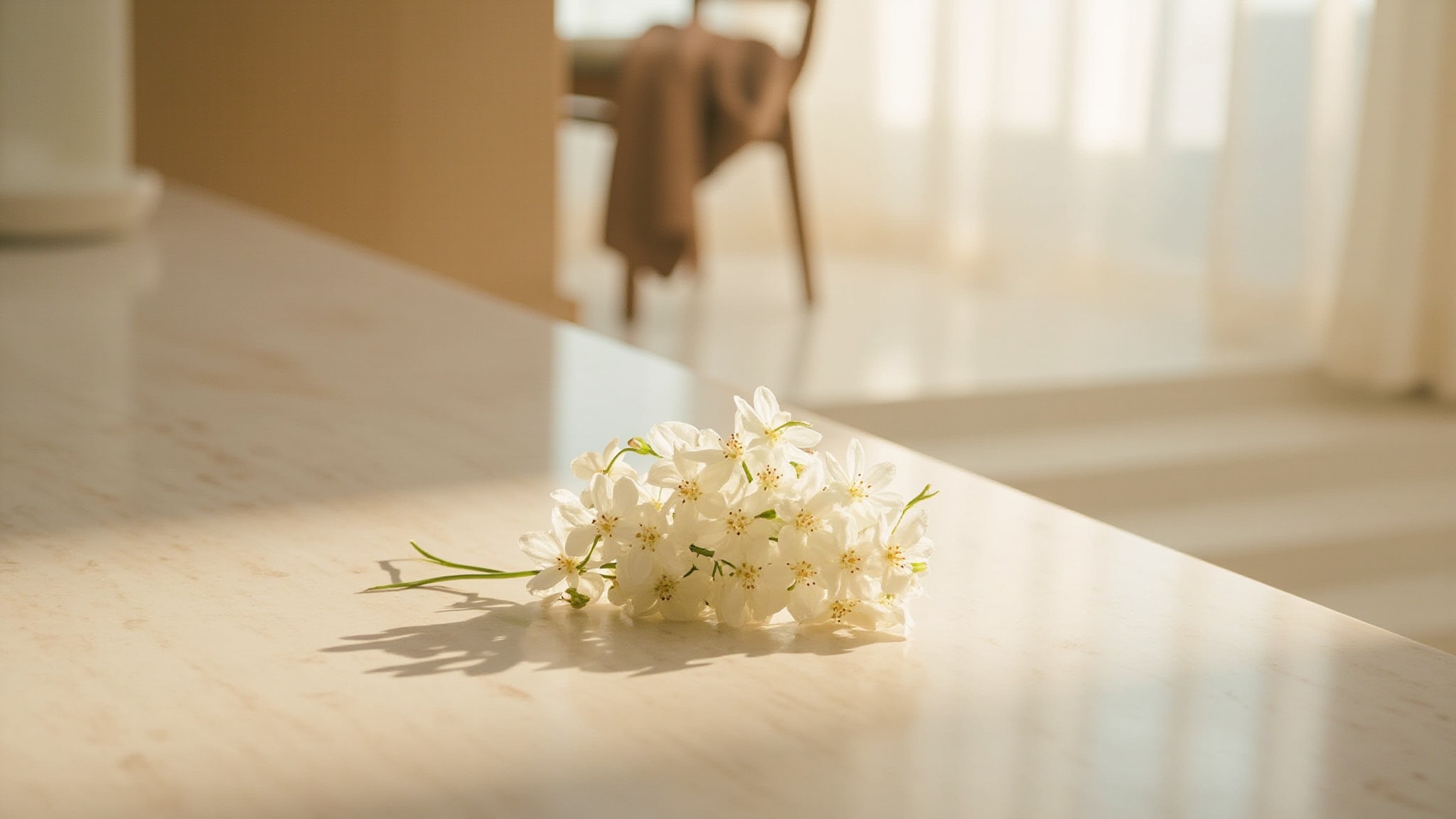
What makes Jasmine interesting is what it refuses to do. The composition holds jasmine in an unadorned state, presenting the flower without the usual accompanying notes that dress it up for broader wear. The result is a study in the material itself. The fragrance reads as a clear, singular jasmine note, the bloom stripped of embellishment, offered in a concentrated form that lets the flower speak for itself. Soliman's approach placed the botanical at the center, refusing to dilute the impact with citrus brightness or powdery softening.
The evolution
The fragrance opens with a dense, unmistakable jasmine, the bloom arriving at full strength from the first moment of application. The flower fills the air immediately, present and unapologetic, the kind of white floral presence that announces itself before the wearer has stepped away from the bottle. There is nothing else in the composition to compete with it. No citrus lifts the top. No aldehyde brightens the first impression. The juice is jasmine, and the wearer experiences jasmine from the opening seconds onward. As the hours pass, the fragrance begins to settle closer to the skin, the initial volume softening into a quieter presence. The bloom does not disappear; it recedes into something more intimate, the way a living flower left in a warm room slowly loses its projection but retains its scent.
Cultural impact
Jasmine holds a place among the early floral compositions attributed to Ahmed Soliman. It belongs to a catalog defined by concentrated single-flower presentations, and the fragrance itself wears as a piece of that heritage: the bloom, undressed, offered in its clearest form. The composition stands as a record of a specific approach to floral perfumery, one that placed the raw botanical at the center rather than burying it inside a blended accord.