
The Story
Why it exists.
The beginning
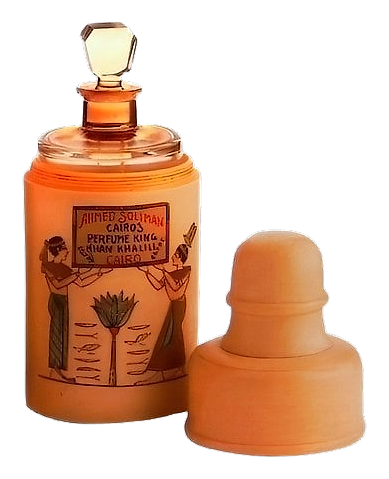
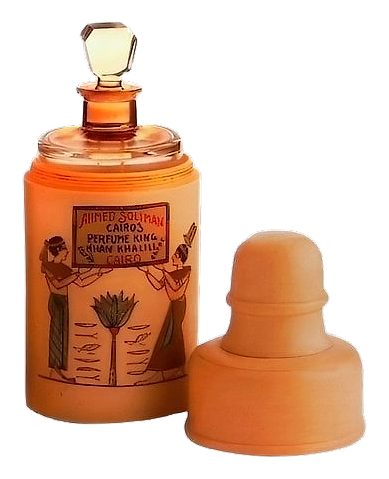
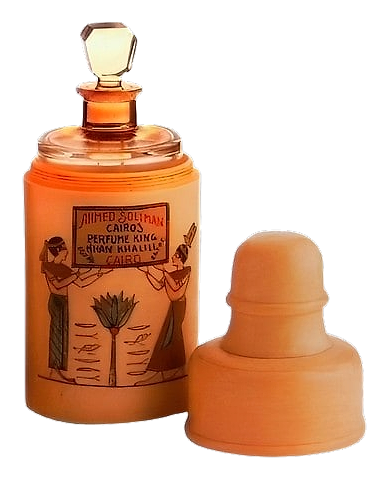
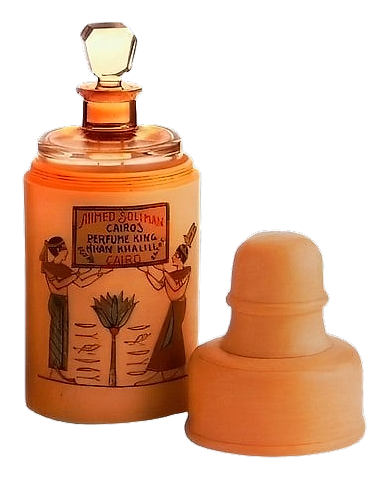
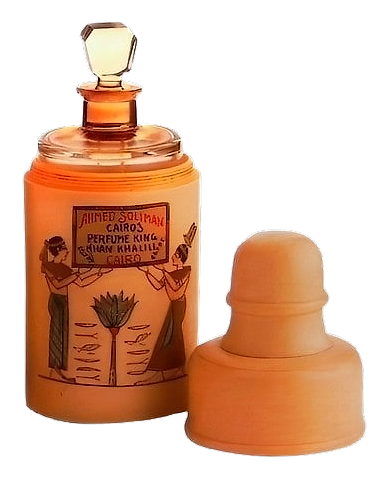
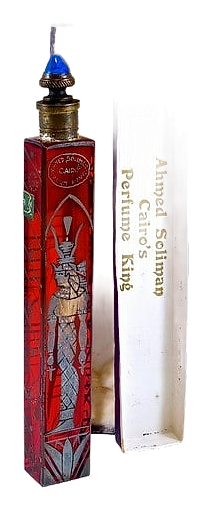
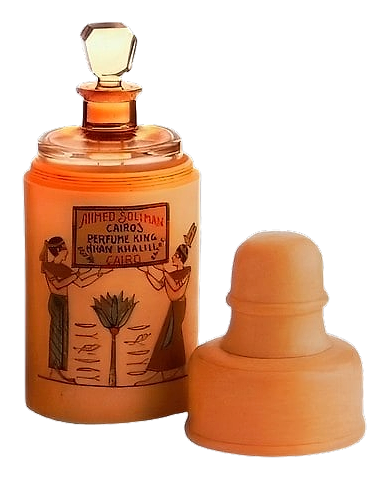
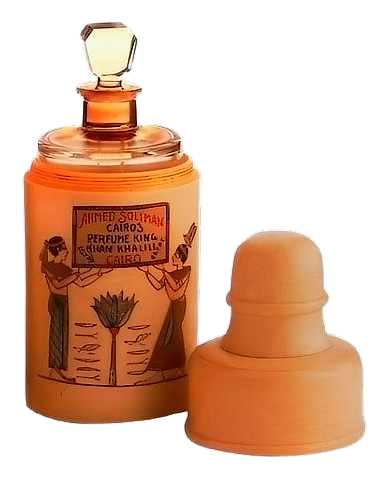
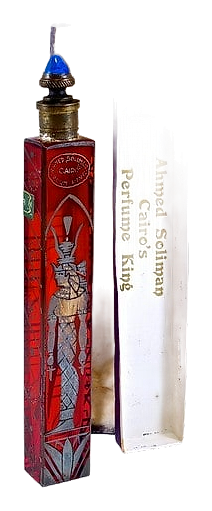
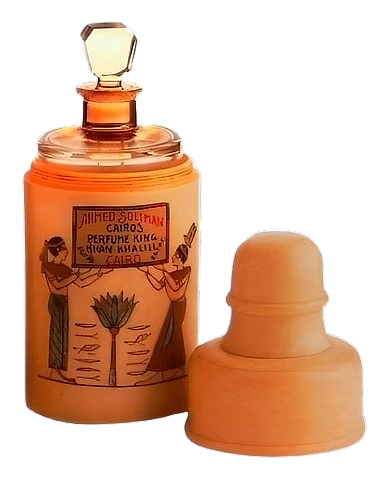
Queen of Egypt arrived in 1925 from the house of Ahmed Soliman, part of a broader catalog built on the resin and floral heritage of the region, a collection that included names like Nefertiti and Cleopatra. That the brand styled its compositions after royal feminine figures of Egypt was no accident, and the thematic throughline runs from the naming convention itself to the overall sensibility of the line. Each name carries weight, each one signals an archetype, and the choice to anchor a fragrance in a specific historical or legendary queen speaks to a deliberate curatorial instinct on Soliman's part. The result is a catalogue that reads less like a list of products and more like a procession of characters, each with a distinct mood and a corresponding scent to match.
What makes Queen of Egypt interesting is the restraint. Where one might expect the full ceremonial register from a fragrance of this name and origin, the composition holds something back, and that holding back is the point. The floral-forward structure suggests a wardrobe piece rather than a ritual one, something personal rather than sacred. The composition reads as though it was assembled with care, with each element given room to be present without overwhelming its neighbors, and the overall effect is one of quiet intention rather than loud declaration.
The evolution
What little documentation survives of Queen of Egypt suggests a composition that rewards patience over first impression. The fragrance is reported in surviving references as floral at its leading edge, with a softer, more intimate structure than the heavier orientals the regional tradition is often associated with, and that contrast between expectation and delivery is part of its appeal. Sources note that the floral character is not shy or airily diffuse but rather present and considered, with the kind of clarity that suggests careful blending rather than heavy-handed application of single materials. As the composition develops, the resinous and warmer base elements are said to assert themselves gradually, pulling the fragrance inward and giving it a grounded, almost architectural quality that emerges over the course of wear.
Cultural impact
Queen of Egypt by Ahmed Soliman sits inside a long lineage of regional perfumery, yet it carries a sensibility that feels considered rather than ceremonial. The naming convention, anchoring a fragrance in a specific royal feminine figure, situates the composition within a tradition where perfume is read as portraiture, and the title itself does significant work in framing what the wearer is meant to inhabit.