
The Story
Why it exists.
The beginning
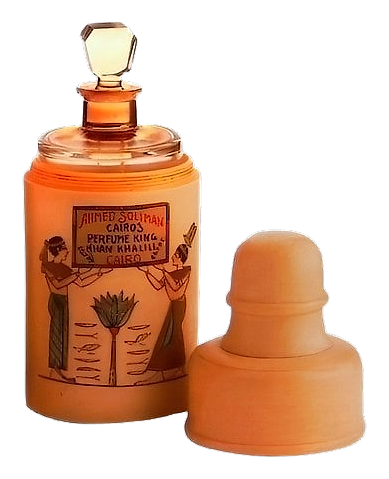
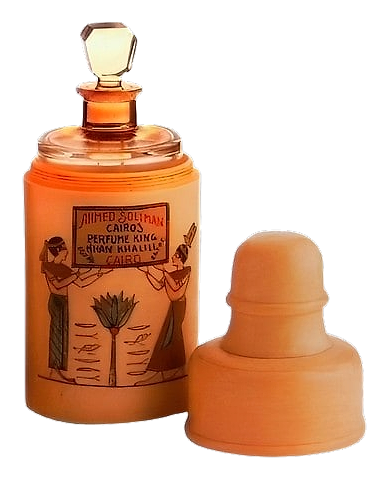
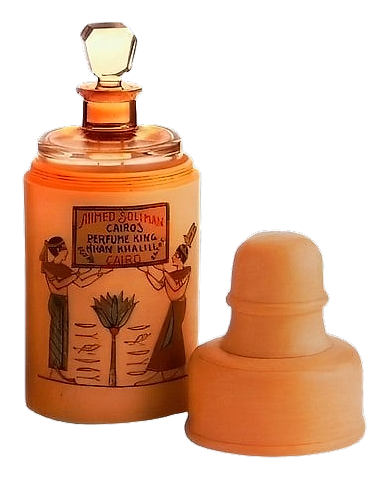
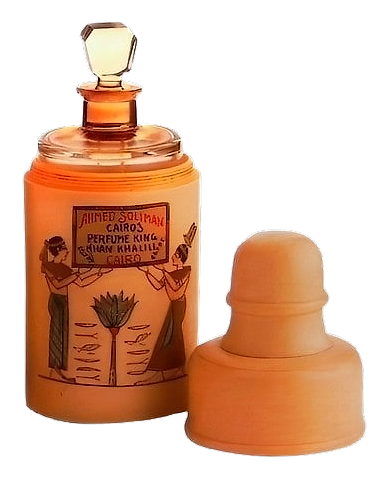
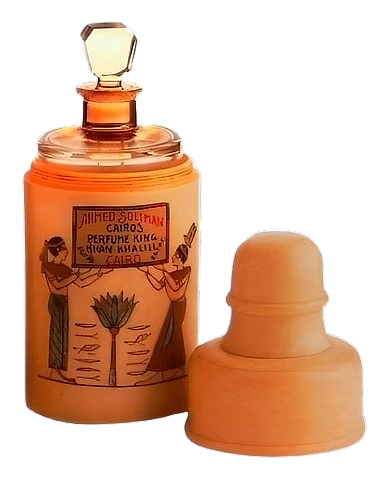
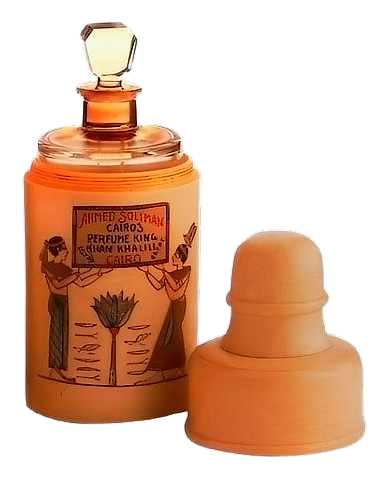
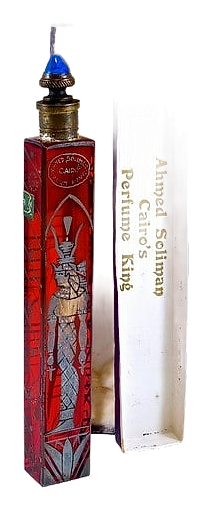
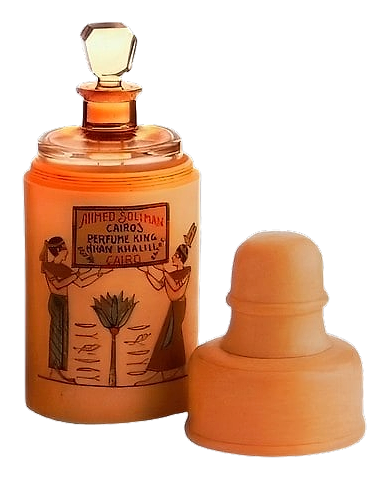
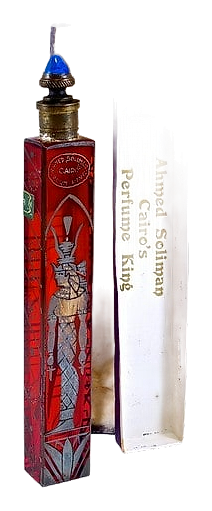
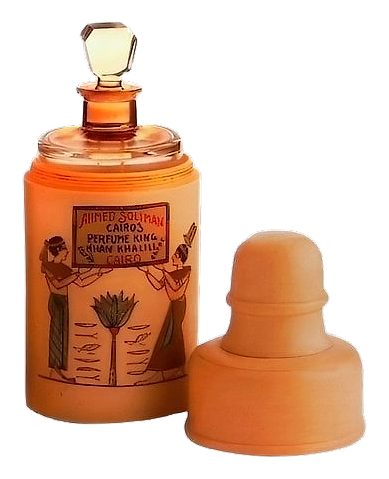
Ramses IV sits inside a catalog that treats Egyptian history as a living language. Ahmed Soliman, known as Cairo's Perfume King, produced compositions alongside others in his range like Nefertiti, Cleopatra, and Tutankhamon, names drawn from the region's pharaonic inheritance. The bottle made that connection literal. Cristalleries de Baccarat shaped the flacon as a sculptured pharaonic head, a vanity object of uncommon craftsmanship. Soliman's perfumery operated out of Khan el-Khalili, the ancient Cairo bazaar whose narrow lanes have carried perfume merchants for centuries. The bazaar's atmosphere alone tells you something about the house.
What makes the composition worth attention is the choice to stay committed to a particular tradition. Soliman's work carries the texture of materials selected for ceremonial depth rather than ease. The opening hits with a clarity that feels almost like sunlight through a high window, bright enough to wake you up but carrying warmth underneath. As it settles, the structure becomes more apparent. There is a resinous weight that gives the scent its center of gravity, something that anchors each layer and keeps the lighter notes from drifting off.
The evolution
The opening belongs to a clean brightness that lifts the composition immediately. Citrus oils cut through first, crisp and almost weightless, the kind of entry that feels like pulling back a heavy curtain to let light into a room. Don't settle into that brightness too quickly, because it is only the introduction. The transition arrives with the resins, which enter with the gravity of temple stone. There's a smoke-tinged stillness to this stage, the kind of hush that makes a room feel older than it is. Rose threads through the heart, dark and slightly waxy, sitting against something soft and almost liquid. The drydown is where Ramses IV earns its name. The brightness recedes entirely. The resins thin into something warmer, closer, more skin-like.
Cultural impact
Ramses IV occupies a distinctive place in the history of early commercial perfumery because of its packaging as much as its composition. The flacon, shaped by Cristalleries de Baccarat as a sculptured pharaonic head, treated fragrance as a vanity object worthy of display, not merely a liquid meant to be used and discarded. The Shimy Brothers of Cairo were involved in bottle production during this era, producing flacons that connected decorative craft to the perfume trade. The Ramses IV bottle sits within that tradition, a piece shaped to command attention on a dressing table.