
The Story
Why it exists.
The beginning
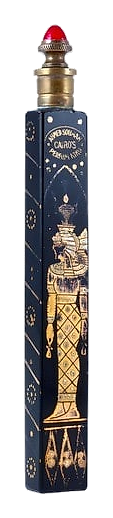
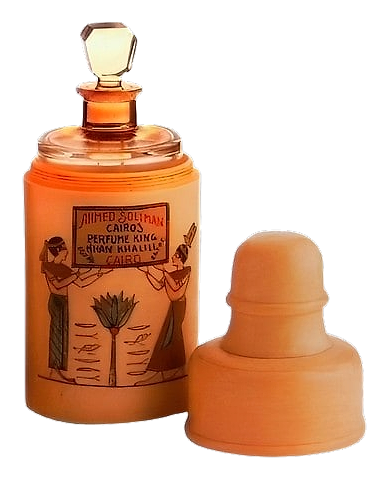
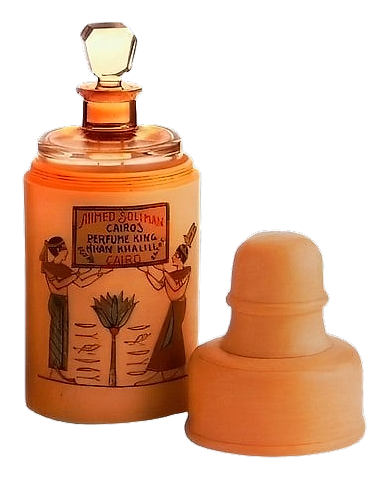
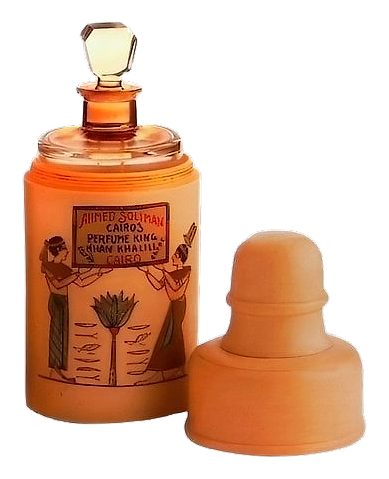
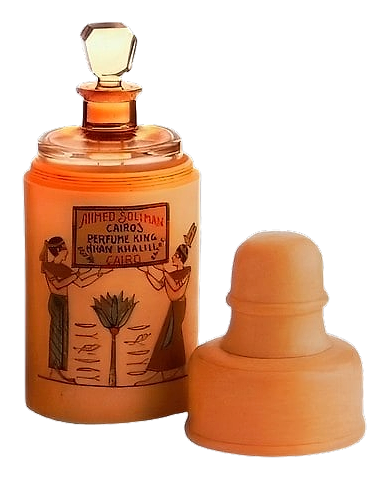
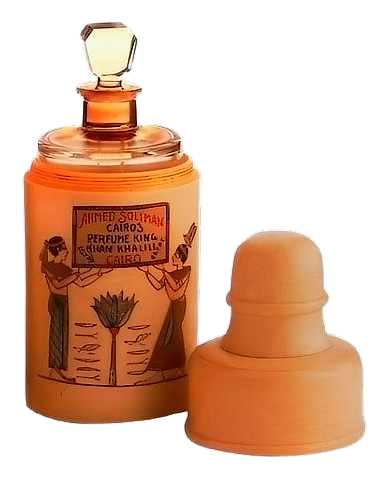
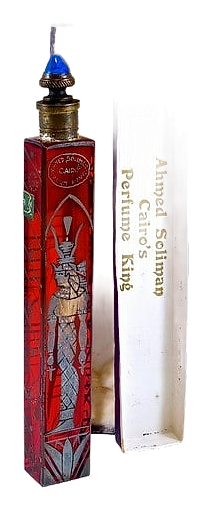
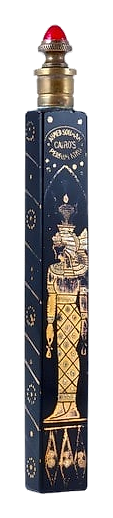
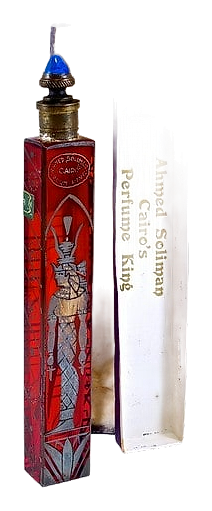
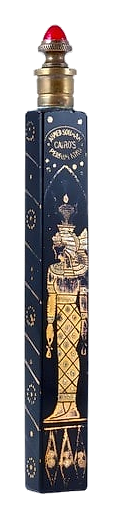
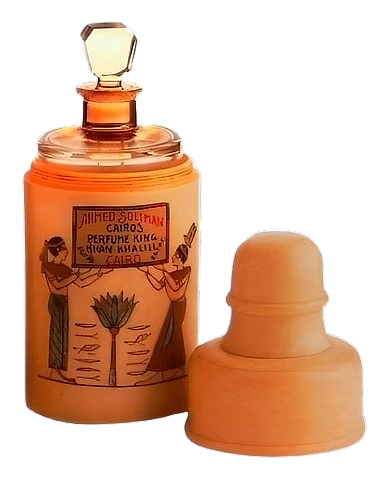
Omar Khayyam arrived in 1925 from the workrooms of Ahmed Soliman, a perfumer whose name has come down to us largely through this and a handful of other compositions from the same period. The fragrance takes its name from the Persian poet and polymath Omar Khayyam, whose verses on wine, mortality, and fleeting beauty had become beloved across the Levantine literary world. That literary fame gave the release a cultural anchor before a single bottle was sold, placing it inside a conversation about pleasure, time, and the senses rather than the more austere register that European men's fragrances of the decade often occupied. The choice of name signaled an audience that read poetry and expected their scent to do more than freshen a collar.
The architecture of Omar Khayyam is, by necessity, a matter of inference rather than documentation, because detailed composition records from the house have not survived in any accessible form. What does survive is the cultural context in which Soliman worked: a Levantine and Egyptian perfume tradition with its own materials, its own preferences, and its own ideas about what a masculine scent could and should smell like. The fragrance can be read as a product of that environment, shaped by the resins, flowers, and woods that passed through regional trade for generations.
The evolution
On skin, the impression Omar Khayyam leaves is one of a scent that does not rush to declare itself, preferring to settle into its surroundings rather than announce its arrival. The opening reads as substantial and grounded, with a tactile presence that suggests weight and warmth rather than anything fleeting or sharp. There is no immediate burst of high, bright citrus, no synthetic sparkle designed to catch attention across a room; the material seems content to stay close to the wearer and let curiosity do the work. As the first hour passes, the character shifts almost without warning, the sharper edges softening into something rounder and more continuous, the way a piece of music resolves from one chord into another.
Cultural impact
Omar Khayyam sits inside a small and loosely defined group of fragrances released under the Ahmed Soliman name around 1925, a catalog that rarely surfaces in mainstream fragrance media but holds a particular fascination for those who collect early twentieth-century vanity objects. The name itself carries a cultural weight that extends well beyond the bottle, owing to the literary fame of the Persian poet Omar Khayyam, whose poetry on wine, mortality, and fleeting pleasure had already achieved wide recognition across the Levantine and European reading public by the time the scent was released.