The Story
Why it exists.
The beginning
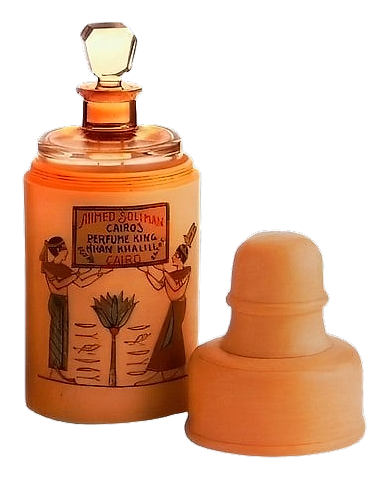
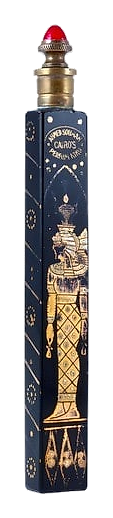
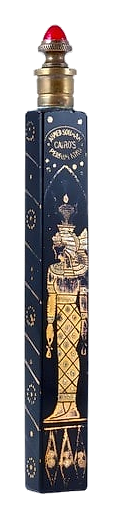
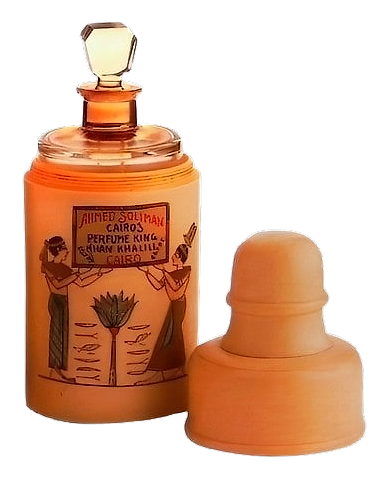
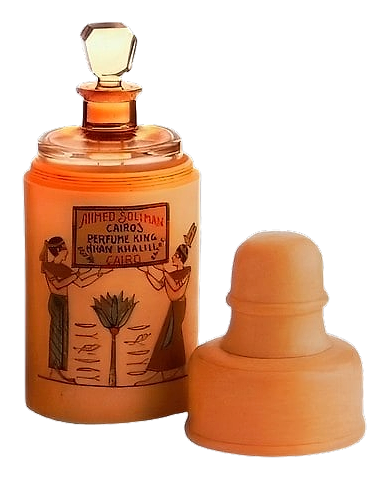
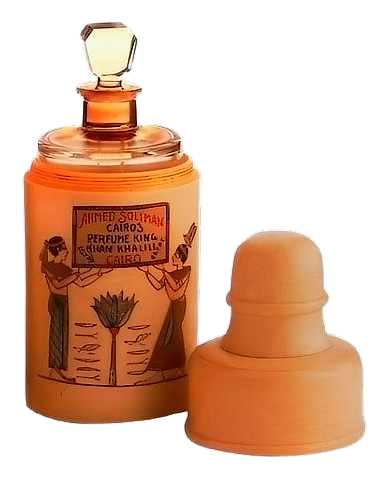
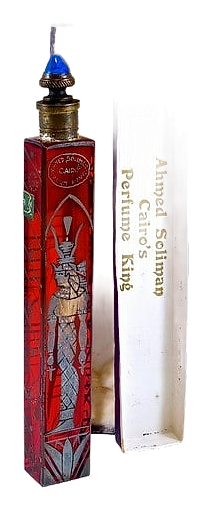
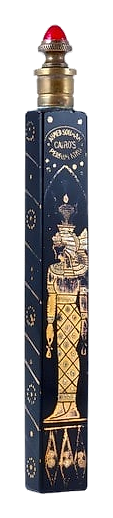
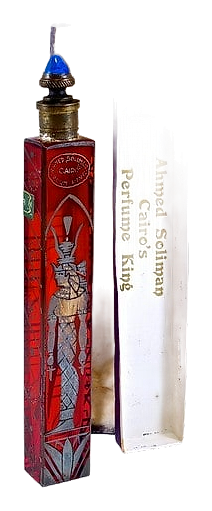
Ahmed Soliman released Frankincense in 1925, into a perfumery landscape that already understood resin as a foundational material rather than a novelty. The bazaar had been trading frankincense, myrrh, and sandalwood for centuries before Soliman ever composed with them, and the resin tradition was not something he needed to invent or reinvent. He simply knew it the way anyone steeped in oils and raw aromatics knows it, an inheritance passed through long familiarity with the materials themselves. Frankincense stands as one of Soliman's resolute compositions, built during a stretch when Egyptian perfumery was defining its own voice, and the result is a portrait of frankincense rather than a commentary on it.
What makes this composition worth your attention is its honesty. Soliman let the frankincense resin stand without burying it beneath competing voices, letting its smoky, woody facets register clearly and without competition. The format matters too. The attar was produced as a concentrated oil, a format consistent with raw material traditions of the region and suited to the way resinous materials perform in warm climates.
The evolution
There is no opening salvo here, no top-note parade to dazzle the first few minutes. Frankincense arrives already in its final form, a soft plume of resinous smoke that sits on skin from the moment it lands and never really leaves. The first hour is the most assertive phase, when the brighter facets of the resin lift slightly off the warmer woody undertone, giving the scent a clean, lifted quality before that edge melts away into something steadier. As the hours pass, the smoke deepens and rounds out, losing its initial lift and settling into a warmer, more meditative register. There is no dramatic transition, no surprise note barging in from another composition, just a slow, even fade that shows the material's true nature rather than performing it.
Cultural impact
Wearers tend to describe Frankincense as temple-adjacent rather than perfume-adjacent, the kind of scent that reads as ritual object rather than accessory. Its single-note discipline places it closer to the world of natural perfumery and oud houses than to mainstream cologne, where layered compositions dominate the conversation. The composition sits alongside Nefertiti and Cleopatra as part of the house's small but considered catalog, each piece given room to be itself rather than forced into a shared family resemblance.