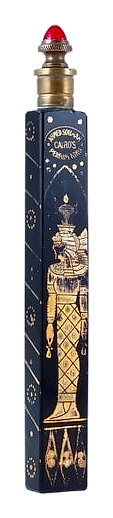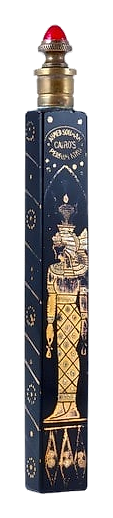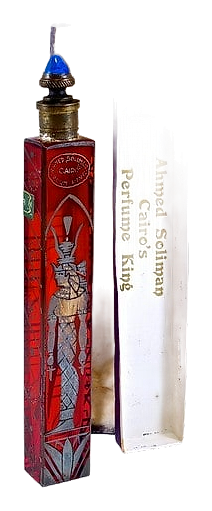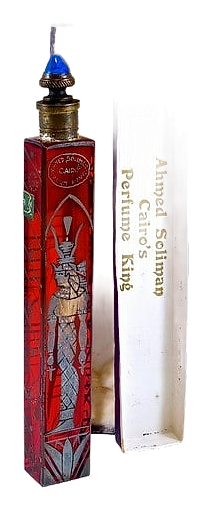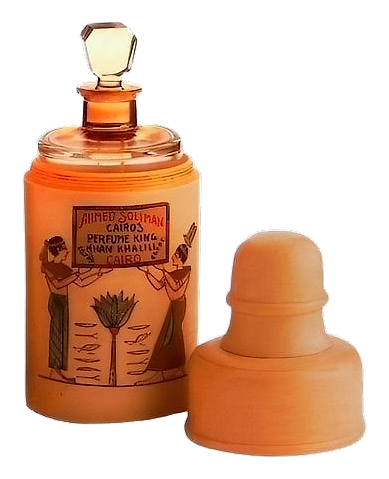
The Story
Why it exists.
The beginning
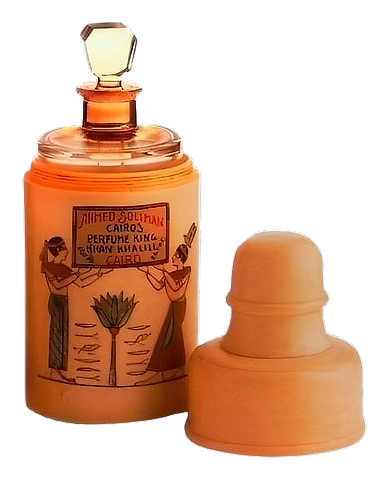
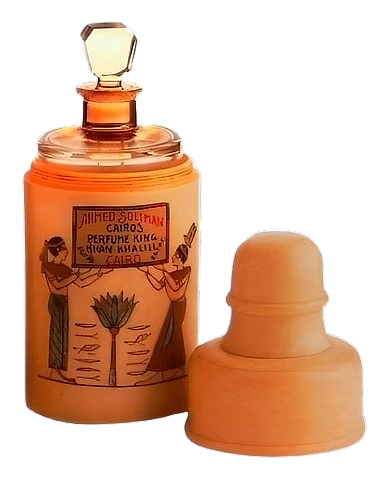
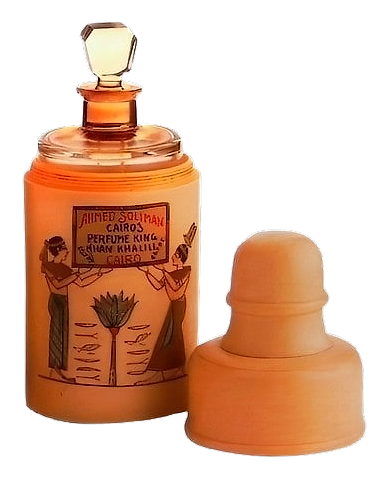
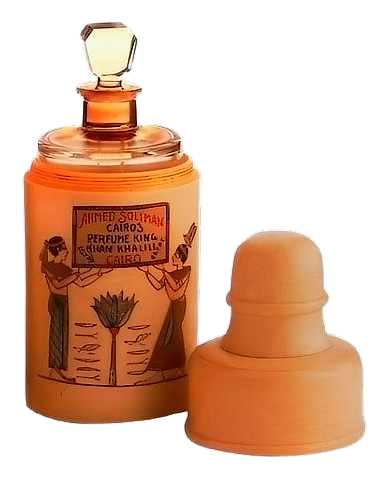
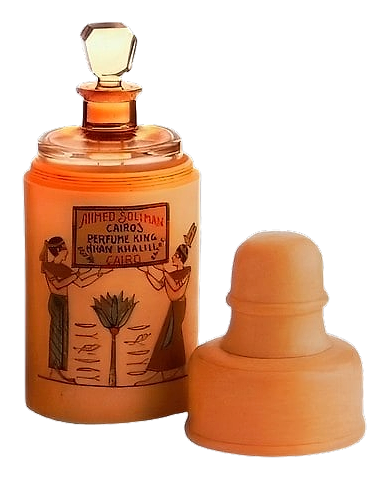
Royal Ambar arrived in 1922, landing on Ahmed Soliman's bench during an early and productive stretch of his career. By that point, Soliman had accumulated enough standing in Cairo's perfume scene to matter, though any specific workshop details or formal titles remain unverified. Royal Ambar was part of that early catalogue, a line that included several compositions anchored in the materials of the region. The amber here is dense, resinous, and unapologetic about its animalic warmth. You get the impression of a maker who was more interested in saturating skin than in chasing the lighter, airier florals that were beginning to circulate elsewhere.
What makes Royal Ambar distinctive isn't a flashy top note or a modern twist. It's the absence of one. The composition commits to a narrow lane: resins and amber, full stop. The accords logged for this scent, amber, balsamic, woody, animalic, and powdery, describe a profile that rewards slow attention. It wears like an oil, sits like an oil, and asks to be applied sparingly. The powdery undertone is what keeps it from tipping into pure incense. It's the texture that makes Royal Ambar wearable rather than ceremonial.
The evolution
The opening is almost meditative, a low hum of resin that doesn't announce itself so much as arrive. There's no citrus sparkle here, no aldehyde lift. The amber presents warm and slightly sweet from the first contact, carrying balsamic weight within the first half hour. As the heart develops, the woody backbone becomes more pronounced, giving the composition a drier, almost architectural structure beneath the sweetness. Then the animalic note creeps in, the musk-like warmth that traditional Arab perfumery treats not as a base but as a pulse. It doesn't shout. It breathes. The drydown settles into a powdery amber close that lingers on fabric for hours after the skin has gone quiet, the kind of scent that greets you the next morning on a scarf or collar. Apply it once and it teaches you what concentrated amber actually means.
Cultural impact
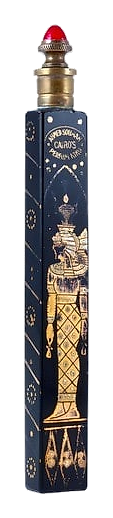
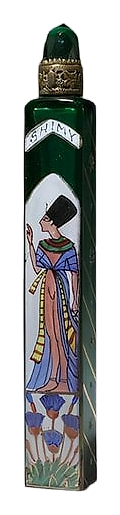
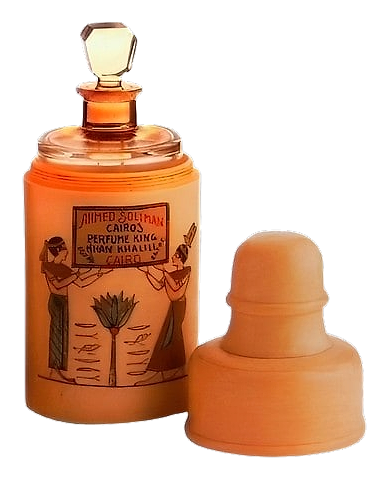
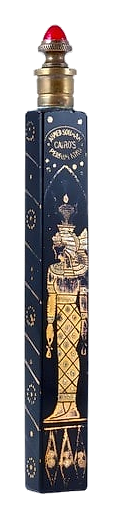
Royal Ambar by Ahmed Soliman belongs to a tradition of Middle Eastern perfumery that has, in recent years, captured the attention of collectors well beyond the region. Amber-centric compositions like this one have found a global audience, and Royal Ambar is one of the names that surfaces regularly in conversations among wearers who favor resin-forward scents over lighter, more conventional offerings. The fragrance operates within a recognizable visual and olfactory language: dense, oil-like textures, amber-toned juice, and bottles that feel closer to apothecary vessels than to decorative objects.