The Story
Why it exists.
The beginning
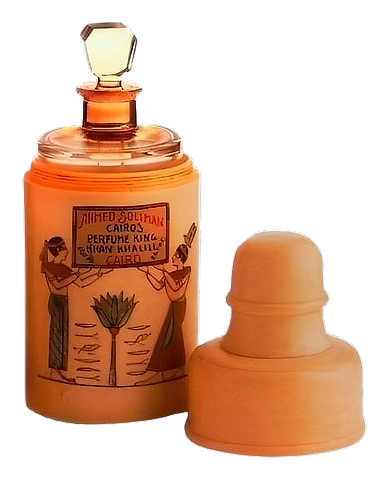
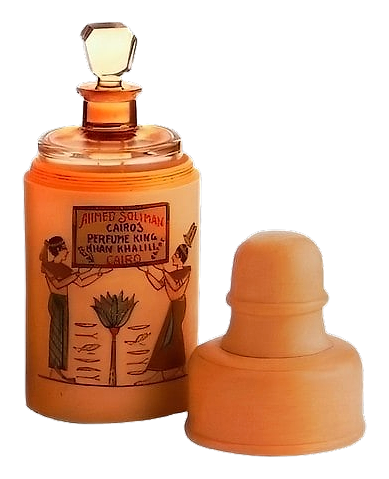
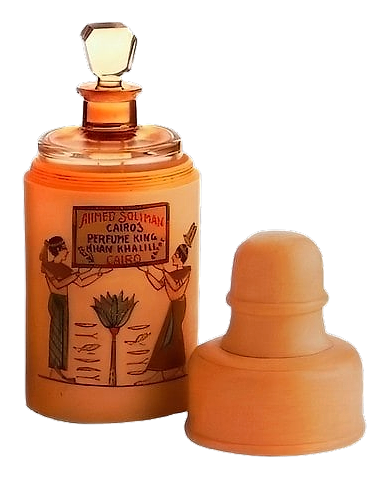
Khan el-Khalili in the 1920s was a market that operated on its own terms, centuries deep in the trade of raw aromatic materials. The bazaar didn't need to introduce itself; the goods did that work. Ahmed Soliman built his catalog within that world, method by method, material by material, no softening required. Sandalwood was released in 1925 as part of that catalog, built almost entirely around the wood itself. The listed notes are Sandalwood alone, and the accord profile reads warm, woody, powdery, balsamic, with an aromatic edge that gives the composition its quiet complexity.
What's worth understanding here is what the composition refuses to do. Soliman's Sandalwood isn't built to support anything else. It stands alone, the wood given room to speak for itself without a chorus of florals or gourmand softening around it. The accords listed, woody, powdery, warm spicy, balsamic, aromatic, aren't a layered construction in the conventional sense.
The evolution
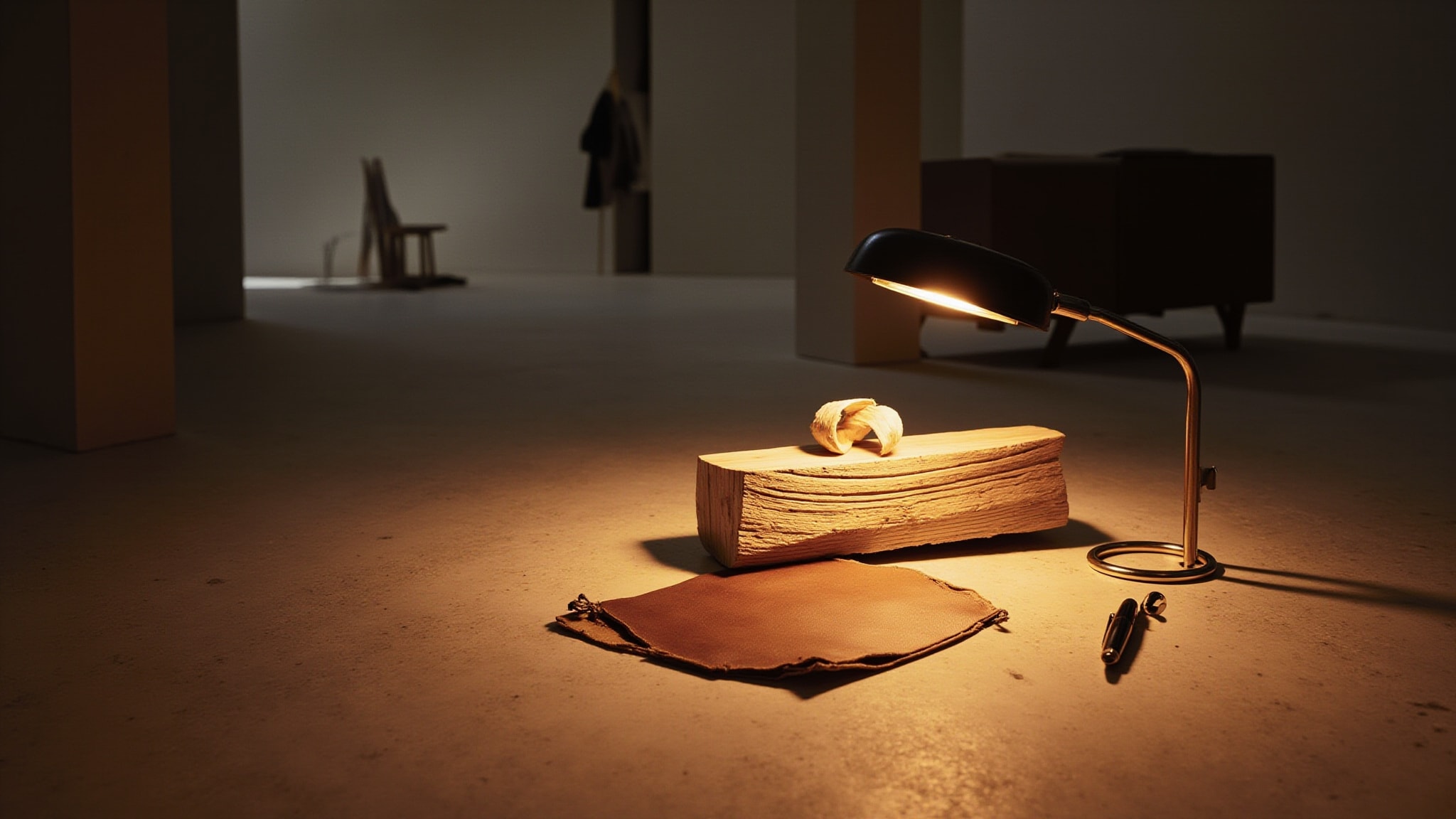
On first application, the sandalwood announces itself with a dry, papery quality and a faint green edge that softens quickly as the composition warms against skin. Within the early wear, the powdery facet surfaces, something fine and almost mineral, less cosmetic and closer to the dust of fine wood shavings or the hush of old incense. The warmth arrives gradually, not as sweetness but as a kind of internal heat the wood seems to generate on its own once it meets living skin. As the hours pass, the balsamic quality deepens into something that reads almost like dried resin without tipping into syrup or sugar. On fabric, the drydown can linger well past a single wearing, reduced to a quiet thread of warm, dry wood that smells less like a fragrance being performed and more like a material at rest.
Cultural impact
Sandalwood sits within a catalog of concentrated attars from Ahmed Soliman, compositions that reflect a working method built on raw aromatic materials rather than the lighter alcohol-based formulations gaining ground elsewhere in the early twentieth century. The house operated in a world where perfume was still treated as a trade in materials, close to the merchant traditions that had defined the craft for generations. Soliman's work sits at a specific crossroads: modern in its confidence and self-possession, but rooted in a pre-synthetic sensibility where one well-chosen material could carry an entire composition.