
The Story
Why it exists.
The beginning
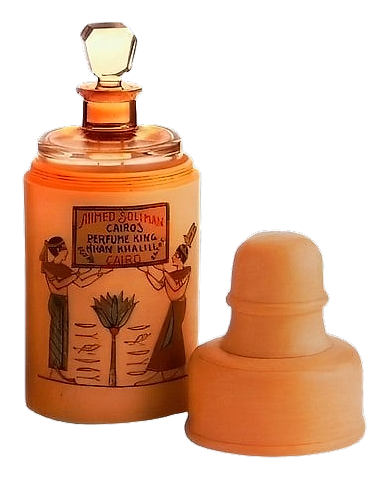
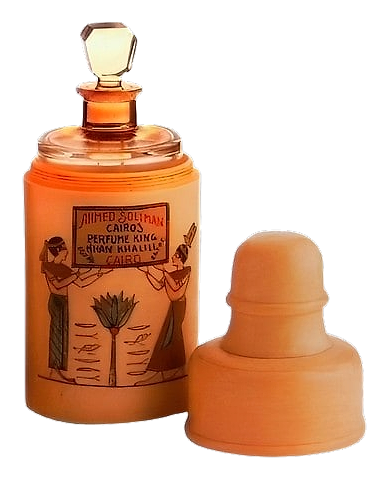
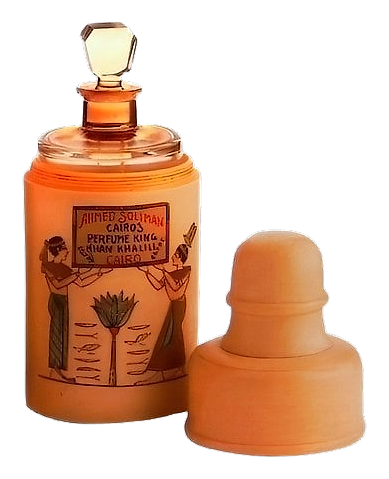
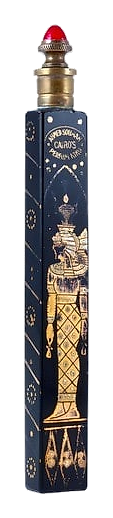
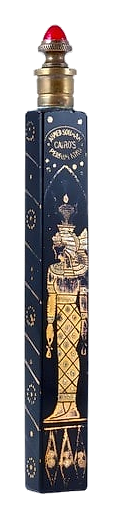
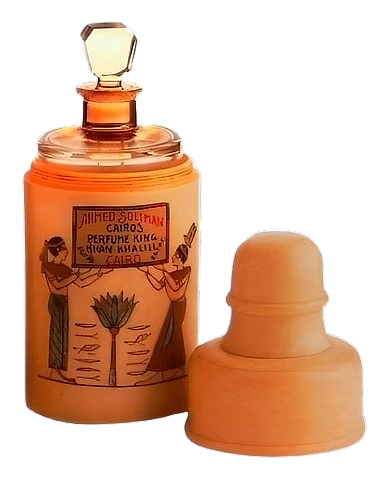
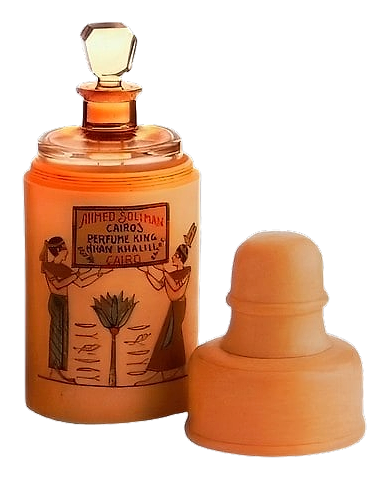
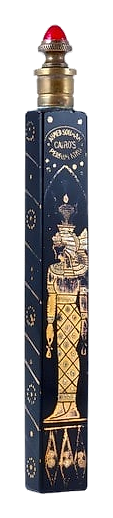
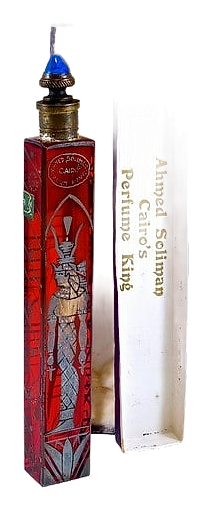
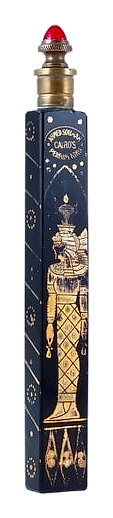
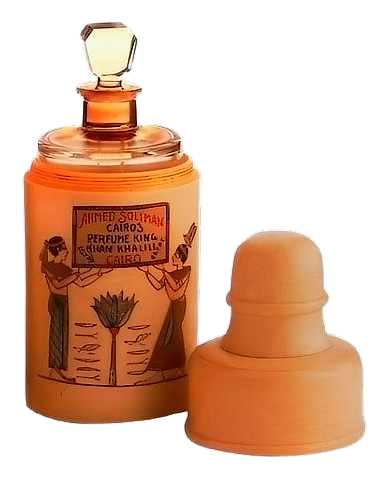
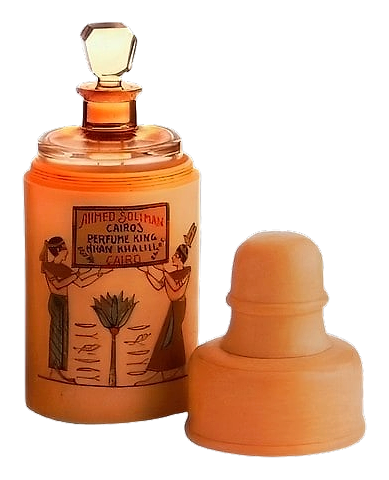
Cairo, 1925. Ahmed Soliman had already established himself as one of the city's notable perfumers, a figure whose work came to be remembered with the descriptive title associated with him in later writings. His compositions centered on resinous materials and aromatic woods, built dense and unapologetically heavy on the skin. Amber was among the catalog's anchors: a study in raw resins and woods macerated into something that stayed close to the wearer, an extrait which did not dilute itself for easy wearing. The fragrance sits heavy and stays, which is what amber has always done. Soliman's output from this period remains a touchstone for collectors interested in early twentieth century perfumery, and Amber sits at the center of that remembered legacy.
Soliman's approach to amber runs through the Resinous Notes that anchor the composition, carrying the structural weight of the entire accord. The amber accord grounds these materials rather than sweetens them, holding the resins and woods together without rounding off their edges. The result is a fragrance that smells less like a confection and more like a material in its raw state, closer to the resin as it arrives from the trader than to a polished extrait poured from a flacon.
The evolution
Amber opens without fanfare. There is no citrus lift, no bright shock, no top notes trying to win you over in the first breath. The Resinous Notes arrive almost immediately, dark and slightly smoky, the way a piece of frankincense smells when you first press it between your fingers and feel the surface give under pressure. The composition thickens early. What felt like smoke resolves into a low hum of wood and resin, warm but not sweet, close to the smell of a cedar box lined with amber chips and kept in a dark room for years. The heart phase is where the fragrance earns its name. The amber accord fully settles here, not as a glowing warmth but as something denser, almost mineral in its solidity.
Cultural impact
Amber by Ahmed Soliman has found a second life among niche collectors who treat early twentieth century Egyptian perfumery as a serious field of study. The fragrance stands as a document of how the amber accord was built before the category settled into its modern, sweeter conventions, and that alone gives it weight in any discussion of vintage resin-forward perfumery. Soliman's composition is studied alongside other historical pieces from the region, not as a curio but as a working example of what the materials can do when they are not stretched toward gourmand territory.