The Story
Why it exists.
The beginning
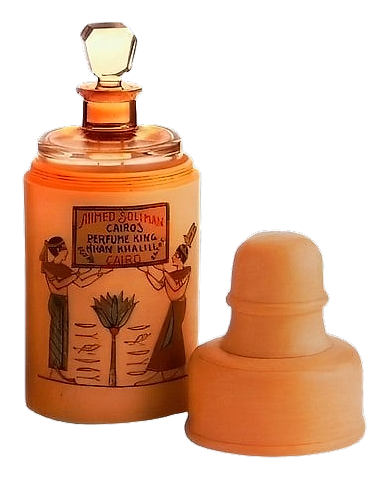
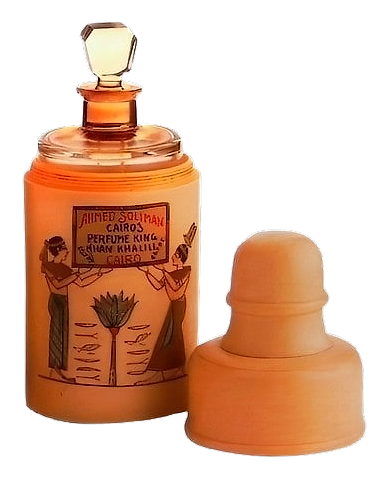
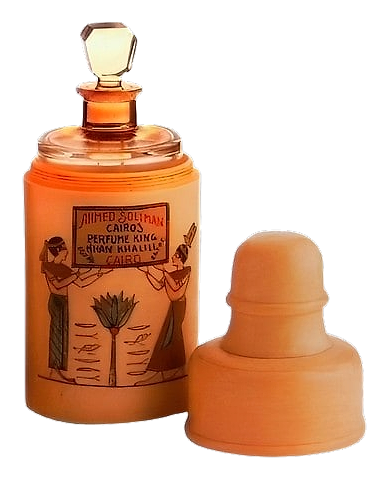
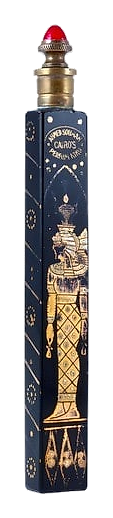
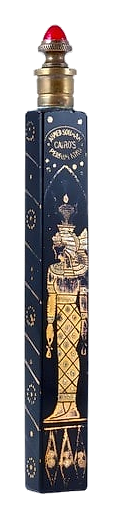
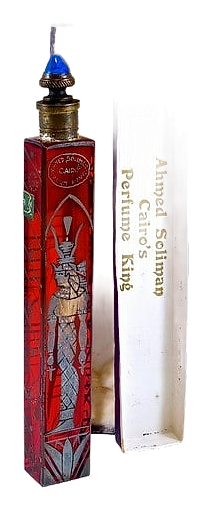
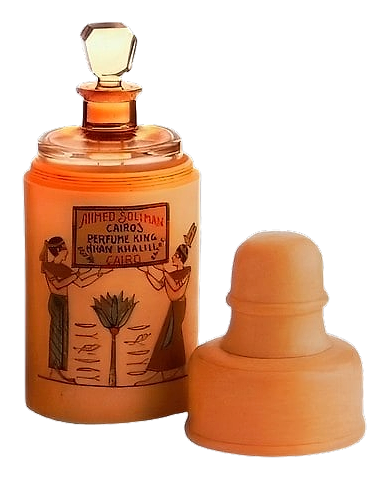
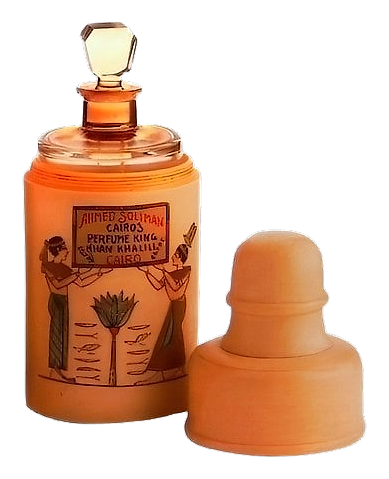
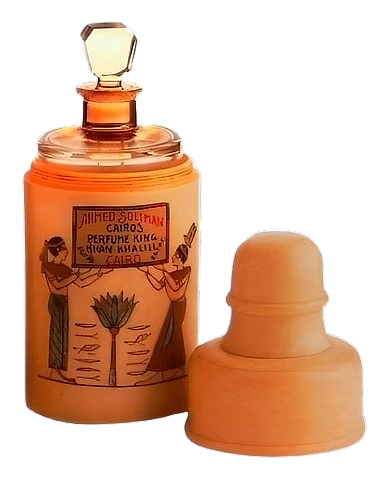
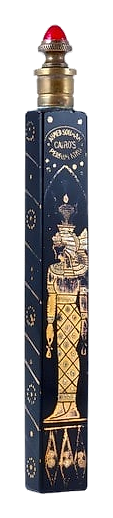
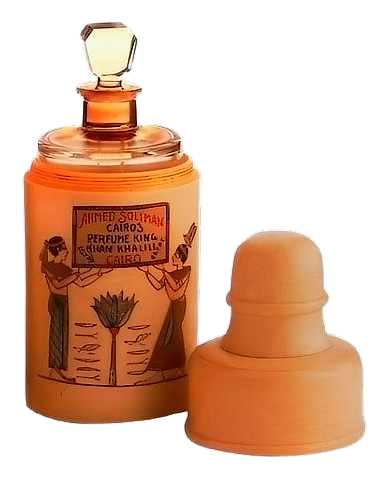
Scent of Araby arrived in 1925, the work of Ahmed Soliman, a Cairo-based perfumer whose compositions drew on the raw materials that defined his corner of the trade. The name he chose for this composition makes the intent unmistakable. Araby. The place of shifting dunes, spice caravans, and mosques thick with incense. In 1925, that fantasy still had commercial and artistic weight, and the title carried centuries of romantic association baked right in. The scent itself is concentrated and dense, built around resinous materials and traditional aromatic oils rather than the lighter alcohol-based extraits that would later dominate. What comes out of the bottle carries weight from the first touch. There is nothing thin about it, nothing that evaporates before it has been considered.
What makes Scent of Araby worth considering is the restraint behind its construction. Soliman does not pile on materials for the sake of abundance. Each element in the composition earns its place, and the result feels intentional rather than ornamental. The composition stays focused throughout its development, never drifting into the territory where a scent becomes so layered it loses its center. There is a meditative quality to this approach, a sense that the perfumer trusted his materials enough to let them speak without shouting over them.
The evolution
On skin, the opening is immediate. Frankincense arrives sharp and almost lemony at first contact, carrying that clean resin note that splits the difference between pine and church. Within the first 10 minutes it deepens, losing the citrus edge and settling into something warmer and more contemplative. The rose surfaces around the 15-minute mark, not as a bloom but as an oil pressed from petals that have been sitting in a jar for weeks. No green stem, no watery freshness. Just dense, almost jammy rose against the smoke. Around the hour mark, the amber base begins to assert itself, and the composition takes on a golden warmth that wasn't there at the start. The frankincense never fully leaves, but it moves from the front of the stage to somewhere behind the curtain, becoming a texture rather than a statement. By the third hour the scent has settled into a close, skin-level drydown of rose, amber, and the faintest resin ghost. It stays there for hours. On fabric, the next morning carries the last trace of frankincense smoke and amber warmth, the rose long faded.
Cultural impact
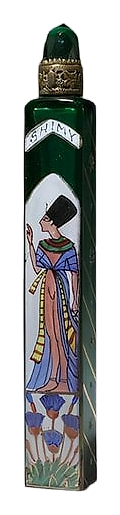
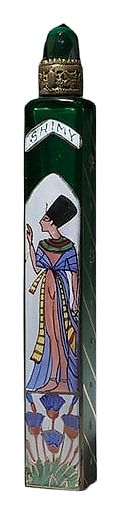
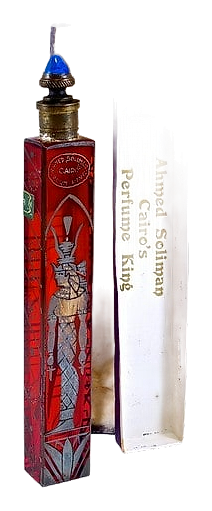
Scent of Araby sits within a catalog of Ahmed Soliman compositions that includes Cleopatra, Nefertiti, and Frankincense. Production was apparently ceased sometime after the 1925 launch, which puts the surviving bottles firmly in collector territory today. The fragrance does not appear in mainstream Western fragrance discourse, and its presence in collector circles is tied to its rarity and its date of origin. It belongs to an early period of regional perfumery in Egypt, when local houses were creating compositions for their own market using materials and methods distinct from the European tradition.