The Story
Why it exists.
The beginning
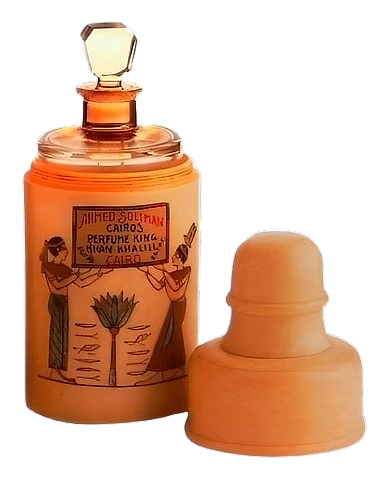
Fragrant Flowers dates to 1925, the work of Ahmed Soliman, a name that has earned him the informal title of Cairo's Perfume King. Soliman built his reputation during a period when the city's perfume trade was dense with character, shaped by generations of merchants who had carried precious materials across routes that stretched toward the Arabian Peninsula and points beyond. Fragrant Flowers belongs to that tradition, a straightforward floral composition that lets the blossoms speak without ornamentation. There is no heavy architectural gesture here, no dominant accord engineered to announce itself across a crowded room.
The scent asks for patience, not sophistication. There is no quick burst of citrus or bergamot to signal the opening, no sharp lift designed to catch attention in the first few seconds. What you get instead is a fragrance that settles directly into its own register, heady and close, the kind of composition that fills a space by being honest about what flowers actually smell like once the morning dew is gone. The petals read as real, slightly overripe, carrying that dense sweetness that only blossoms develop when the sun has been on them for hours.
The evolution
There's no bright spark to announce the opening. Fragrant Flowers begins already in conversation with itself, a full-bodied floral that arrives rounded and slightly warm, as if the petals were picked hours ago. The earliest phase reads as dense and slightly honeyed, with that almost-too-sweet edge real blossoms carry when the sun has been on them. Individual florals blend rather than compete, layering into a unified warmth that comes across less as a bouquet than as a single impression of flowers-in-general, softened and deepened. The composition feels generous from the start, offering its materials without holding anything back, and that generosity is what gives the opening its particular richness. As the scent settles, the sweetness calms into something more grounded.
Cultural impact
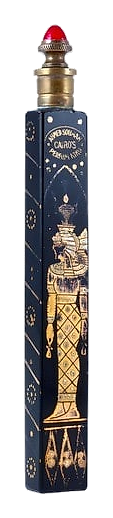
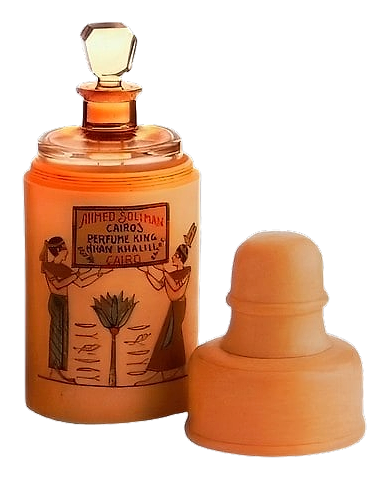
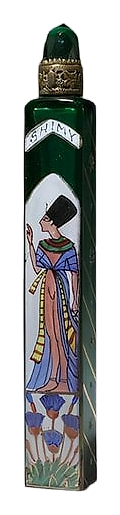
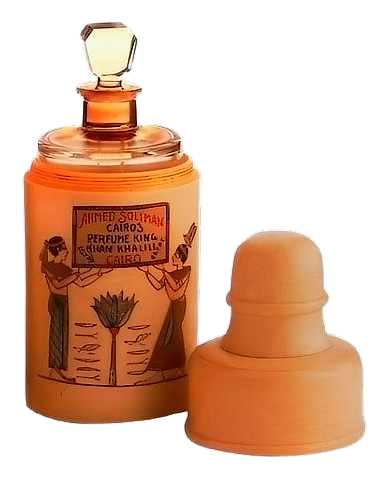
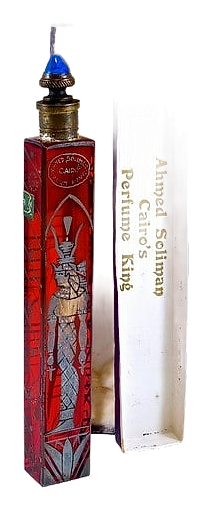
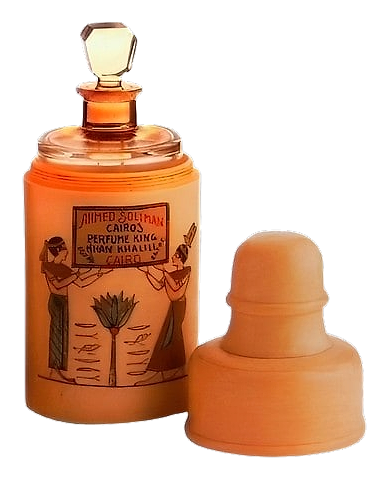
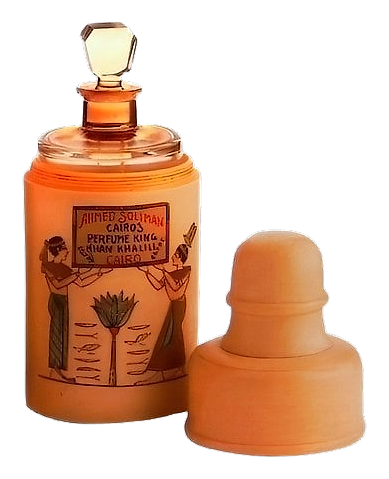
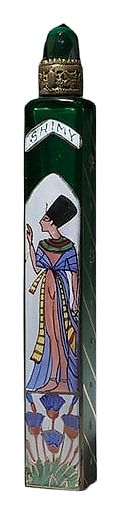
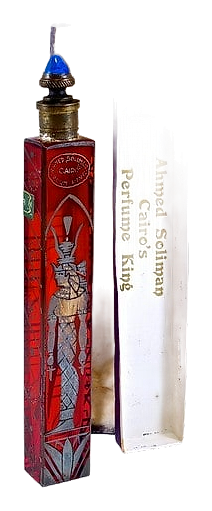
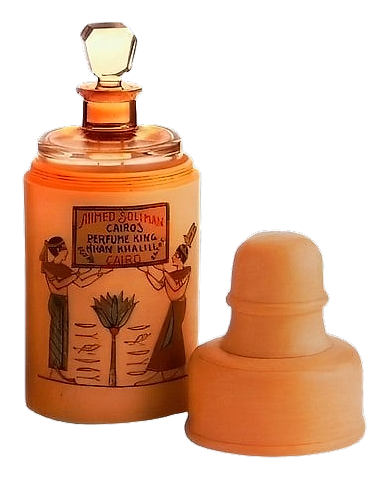
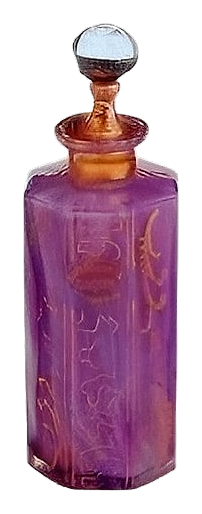
Fragrant Flowers sits within a small, devoted category of early-twentieth-century Egyptian florals that collectors seek out for their historical resonance as much as their scent. The house's bottles, produced with the Shimy Brothers during the 1910s and 1920s, are recognized as benchmarks of the era and survive in museum and private collections across Europe and North America. Worn today, the fragrance carries the quiet authority of something made before the age of branding, a floral that predates the idea of a floral as a market category and simply smells like flowers.