
The Story
Why it exists.
The beginning
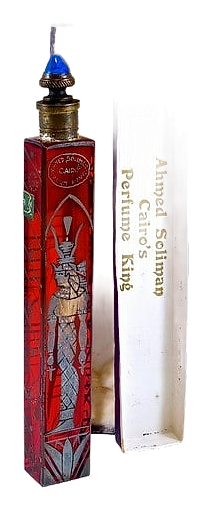
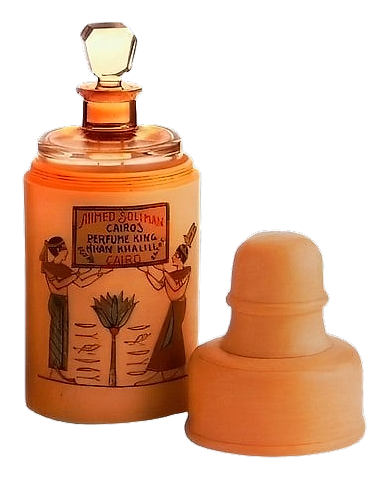
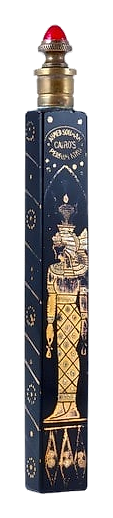
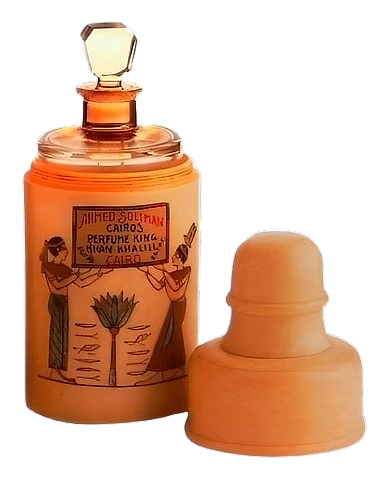
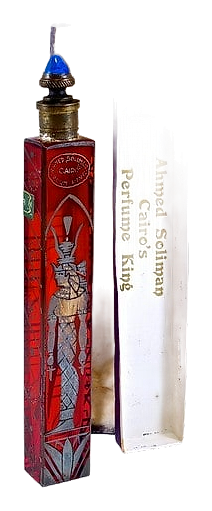
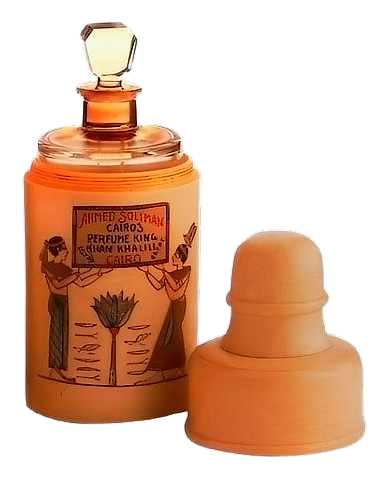
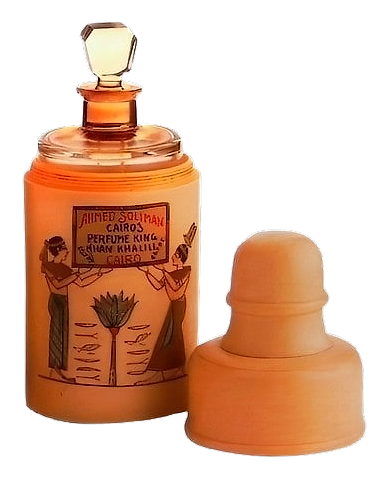
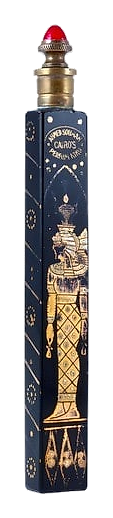
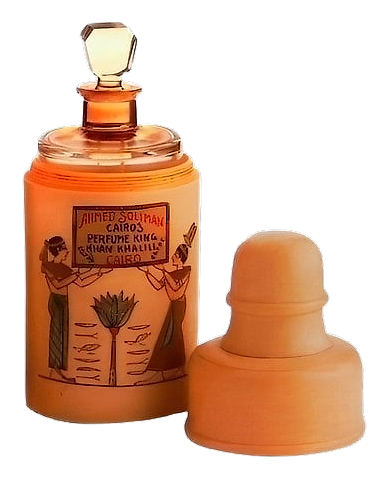
Golden Wattle arrived in 1925 from the workbench of Ahmed Soliman, part of a catalog that treated fragrance as something close to craftsmanship rather than industry. Soliman's output carries the texture of a workshop: pieces assembled with close attention to material rather than mass production. The fragrance takes its name from a flowering plant recognizable for its golden blooms, an image that sits at the center of how the composition unfolds. What the bottle offers is a density of material, a sense that each note has been weighed and poured with intention. Soliman's work in this period leaned toward concentrated forms, a method of working that valued the integrity of the raw material over lighter, more diffusive approaches.
What sets this composition apart is how it reads as a landscape rather than a bouquet. Chamomile softens the edges without dulling them, bringing a tea-like, slightly sweet herbal quality that threads through the composition from the first spray. Sage adds a dry herbal snap, almost aromatic, pulling the sweetness toward something more grounded and a little bitter at the edges. Vetiver grounds everything in rooty, sun-baked earthiness, a material that feels less like a clean root note and more like actual soil warmed by afternoon heat.
The evolution
The opening is all brightness, and it's generous. A honey-sweet brightness hits immediately, almost edible, the kind of first impression that pulls people closer rather than pushing them away. As the minutes pass, the chamomile begins to surface, bringing a cool herbal counterpoint that stops the sweetness from tipping into something cloying. This is where Golden Wattle finds its footing, sweet enough to flirt, dry enough to mean it. The sage deepens the composition as it wears, adding a slightly bitter, almost medicinal edge that feels ancient rather than modern, like something carried in a wooden chest rather than a glass cabinet. The vetiver arrives last, and it stays. It roots the whole thing in earth, giving the late stage a dusty, sun-warmed quality. What begins as a golden floral ends as a whisper of turned soil and dried herbs, the scent of a field hours after the sun has moved.
Cultural impact
Golden Wattle belongs to an early chapter of Ahmed Soliman's catalog, a period when the perfumer's hand was visible in every bottle and the materials carried the weight of their origin. The fragrance reflects the kind of slow, intentional perfumery that defined Soliman's output, an approach valued by anyone who treats scent as craft rather than commodity. Golden Wattle rewards that attention. Wearing it is an invitation into a particular way of working with raw botanicals, where chamomile, sage, and vetiver are treated as materials in their own right rather than supporting players in a louder composition.