The Story
Why it exists.
The beginning
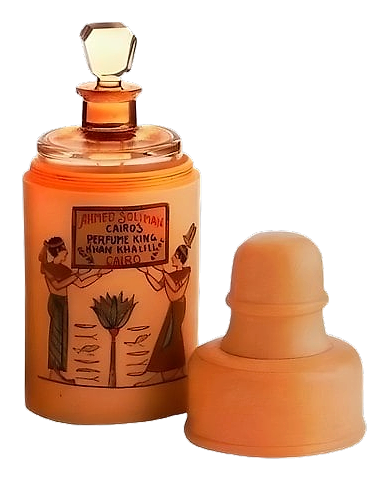
By the time he released Double Jasmin, Ahmed Soliman had already built a name for himself in Egyptian perfumery. The work came during a period when he was producing oils and resins with the kind of intensity that builds a reputation quickly, and the self-styled recognition he'd earned by then reflected the ambition that ran through every formula he put out. Double Jasmin was an early statement: a soliflore jasmine built on a concentration that let the flower speak without dilution or disguise. In a catalog leaning on frankincense, rose, sandalwood, and amber for their ceremonial weight, this composition chose a different path. Pure jasmine, doubled. The name says exactly what it means, no mythology, no pharaonic romance. Just one flower, repeated.
What makes Double Jasmin structurally interesting is its refusal to layer. Most jasmine-forward compositions pair the flower with rose, orange blossom, or a woody base to round it out. Soliman's approach stripped the scaffolding away. The result is a study in how jasmine itself behaves: sweet at the surface, indolic and almost animalic underneath, with a freshness that reads more like crushed stems than citrus. Keeping the indole intact, the part of jasmine that perfumers usually tame, means the fragrance stays loud, almost confrontational in its honesty.
The evolution
The opening is dense, almost overwhelming. Jasmine in heavy concentration hits differently than the diluted versions most modern wearers know, green and almost rubbery for the first few minutes before the sweetness blooms. As the minutes pass, the indole surfaces, that warm, slightly fecal edge that real jasmine carries when grown in heat. It doesn't disappear. It deepens, settles into the composition like skin after a long day. The middle hours are where this fragrance lives: creamy, heady, close. No top notes to peel away, no base to wait for. Just the flower doing what flowers do when they're not being asked to behave. The indolic warmth becomes almost narcotic after a while, the kind of scent that fills a room without announcing itself. On fabric, traces linger into the next morning, a ghost of sweetness on a pillowcase or a scarf collar.
Cultural impact
Double Jasmin sits inside a catalog that leaned on pharaonic names and ceremonial materials, rose, frankincense, amber, sandalwood. The name is literal: jasmine, twice. No mythology, no heritage allusion, no decorative borrowing from antiquity. Just a flower, named twice for the concentration behind it. The composition reads as a deliberate narrowing of focus, a refusal to use the weight of cultural reference as a substitute for the weight of the raw material itself.