




Heritage
A house, in its own words
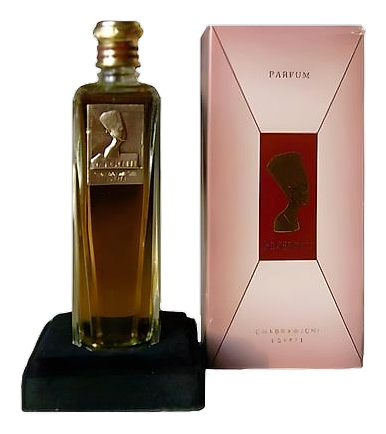
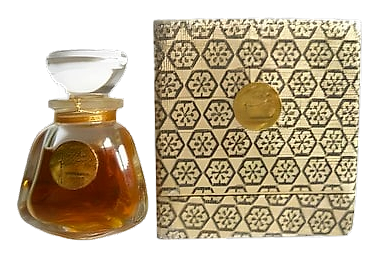
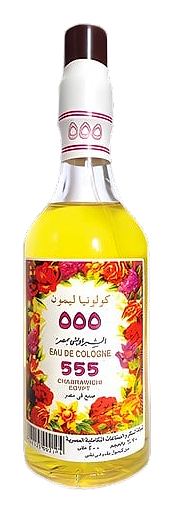
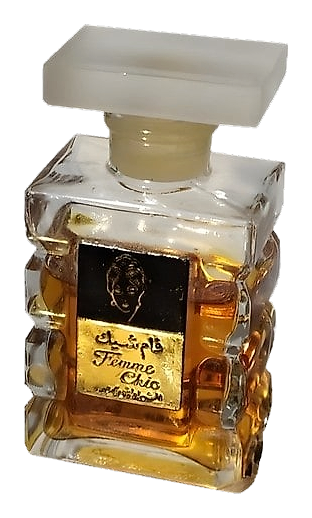
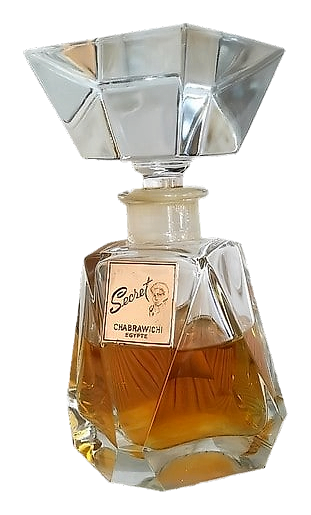
The story of Chabrawichi begins in the early twentieth century, when Hamza Al-Chabrawichi, a man of no financial means and no connections in metropolitan circles, launched his perfume business from scratch in Daqahlia. His particular advantage lay in a deep knowledge of aromatic essences, a expertise that allowed him to navigate the challenging terrain of fragrance production with skill and intuition. The factory he established in this Nile Delta governorate would become one of Egypt's most recognizable domestic perfume houses, built not on inherited wealth or aristocratic connections but on practical understanding of scent chemistry and market needs. Chabrawichi operated as both an independent fragrance house and a supplier to other retailers, producing perfumes for Le Claire stores under contract while maintaining its own label, Bon Soir. This dual identity as both creator and manufacturer served the business well, allowing it to reach different segments of the Egyptian market. The house continued producing fragrances into the late 1970s, with Femme Chic marking one of its final notable releases. Throughout its active years, Chabrawichi remained rooted in its Egyptian identity, producing scents that drew from both regional aromatic traditions and broader perfumery conventions. The factory's survival and continued relevance, even experiencing renewed attention during the coronavirus pandemic when Egyptians sought locally produced alternatives, speaks to the durability of the brand's foundational approach. Chabrawichi's approach to perfumery was shaped fundamentally by its founder's belief that quality fragrances should reach beyond elite circles. Rather than positioning itself within luxury hierarchies that kept perfumery the province of the wealthy, the house pursued accessibility as a core principle. This meant creating scents that Egyptian consumers with modest means could afford, without abandoning the complexity and care that distinguish thoughtful fragrance creation. The house worked extensively with traditional aromatic materials, drawing on the rich heritage of Egyptian and Middle Eastern scent traditions that long predated the European perfume industry. Olfactory preferences in this region had developed over centuries, favoring certain note families and scent profiles that Western houses often overlooked. Chabrawichi embraced these preferences rather than adapting to international trends, creating perfumes that spoke directly to local tastes and cultural associations with fragrance. The practical knowledge of essences that powered Hamza Al-Chabrawichi's rise remained central to the house's identity, suggesting an approach grounded in material knowledge rather than abstract artistic vision.