
The Story
Why it exists.
The beginning
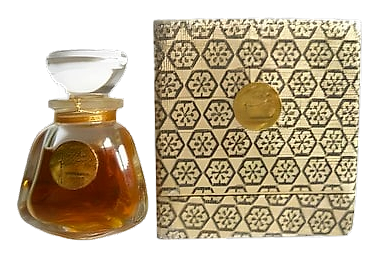
Favori represents an important entry in the Oriental Floral category, a style defined by warmth, depth, and lasting presence. As an Egyptian perfume in a market often drawn to French imports, Favori carves its own space through a composition that emphasizes floral richness alongside Oriental warmth. The fragrance achieves a balance that feels intentional rather than accidental, building its character from the interplay of multiple floral and warm elements. Rather than aiming to replicate foreign sensibilities, it draws from a distinctly regional tradition of scent-making, one that values depth and complexity in equal measure.
What makes Favori structurally interesting is the oakmoss. In the base alongside amber, vanilla, sandalwood, and labdanum, it provides a mineral-earth anchor that keeps the floral heart from floating away into pure sweetness. The combination of warm spice, rose, jasmine, and Oriental notes in the heart creates something that reads as both floral and unapologetically warm, the kind of composition that doesn't hedge its bets.
The evolution
The bergamot arrives first, bright and citrus-forward, but it does not linger. Within minutes the white flowers emerge into the warm heart of Oriental notes, rose, and spice. The handoff is gradual, not dramatic. As the florals settle, the warm Oriental character becomes more pronounced, with the rose and jasmine weaving through deeper notes rather than disappearing entirely. The base develops as a layered foundation where musk sits closest to the skin while sandalwood and labdanum add creamy warmth. Oakmoss provides an earthy undertone that prevents the drydown from becoming purely sweet. The amber and vanilla emerge gradually, adding richness without overwhelming the floral presence that remains perceptible throughout.
Cultural impact
Favori occupies a notable position in the Egyptian fragrance landscape as an Oriental Floral that has remained relevant over an extended period. The composition places it within a generation of Orientals that favored a more floral approach compared to heavier expressions that would emerge later in the category. Its sustained presence suggests it has resonated with wearers seeking warmth and floral richness without excessive heaviness. As a domestically produced fragrance, it represents an alternative to imported luxury scents, though the specific cultural meanings attributed to it vary among different wearers and communities.