







Heritage
A house, in its own words
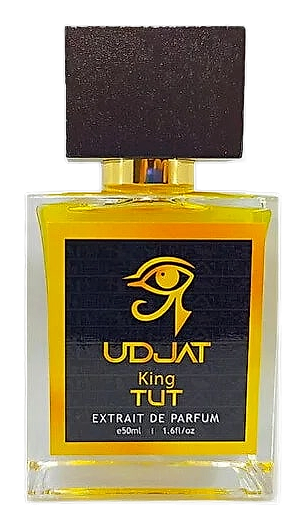
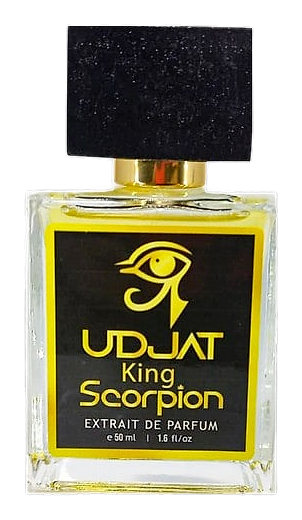
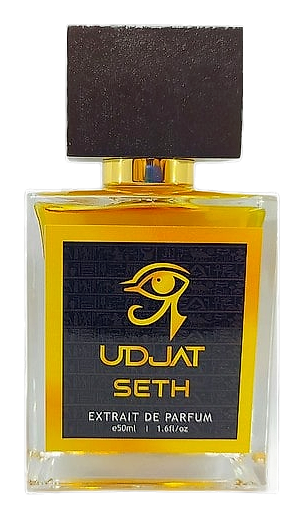
While the exact founding date remains unclear from available sources, Udjat Fragrances emerged in the fragrance landscape around 2021, coinciding with its first fragrance releases including Nut, King Tut, Thoth, Anubis, Ra, Seth, and Horus all appearing that year. The brand operates from Egypt, positioning itself at the source of its mythological inspiration. This geographic connection to ancient Egyptian territory represents a deliberate choice to anchor the brand in its creative source material. The timing of the brand's emergence coincided with renewed global interest in Egyptian history, particularly following major museum exhibitions and renewed archaeological discoveries in the region. The reference to ancient Egyptian perfumery traditions carries significant historical weight, as the civilization is widely acknowledged as among the first to develop perfume as both a sacred and secular practice. Egyptian priests reportedly used aromatic resins in religious ceremonies as early as the second millennium BCE, believing that the smoke from burning incense created a conduit between humans and the divine. The Udjat symbol itself, representing the eye of the falcon god Horus, held profound significance in ancient Egyptian culture as a symbol of sacrifice, healing, and protection. The brand's naming convention after gods like Anubis, Ra, Thoth, and Horus, alongside pharaohs such as King Tut and King Zoser, creates a direct lineage connecting each fragrance to specific figures from Egyptian mythology and history. By drawing from this well of ancient symbolism, the brand positions itself as a contemporary interpreter of a fragrance tradition that predates modern perfumery by millennia. Udjat Fragrances operates on a philosophy rooted in cultural storytelling and artisanal authenticity. The brand explicitly states it creates fragrances with soul and love rather than machines, positioning itself in deliberate opposition to mass production. This approach reflects a broader movement among independent fragrance houses toward handcrafted, human-centered production methods. The Instagram presence describes the collection as having stories to tell, suggesting each fragrance functions as a narrative vehicle rather than merely a scent. The thematic focus on Egyptian mythology and pharaohs provides an framework for fragrance creation that goes beyond conventional scent families and marketing categories. By naming products after specific deities and rulers, the brand invites wearers to engage with historical and mythological associations that color their experience of each scent. The reference to the brand coming from Egypt to the world in unboxing content suggests an export-oriented philosophy, bringing Egyptian-inspired olfactory experiences to an international audience. The emphasis on uniqueness in marketing language, while not independently verifiable, points toward a creative ambition to distinguish each fragrance as its own distinct creation rather than variations on a house style. The mythology-driven naming system allows the brand to build a coherent collection that rewards customers who wish to explore multiple releases, as each fragrance carries its own narrative weight within the broader Egyptian pantheon the brand has constructed.