
The Story
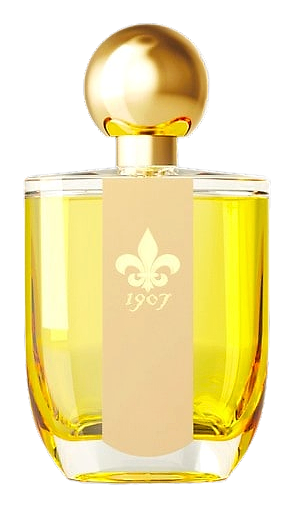
Why it exists.
The beginning
A house that treats each scent as an experiment gets a name like Fatamorgana. The word means a specific kind of mirage, the optical trick that bends distance and turns the unreachable into something that looks like water. 1907 has built its catalogue around single, focused questions in scent form. Fatamorgana asks one: what does a green floral look like when you stop trying to make it fresh? The fragrance assembles five top notes, five heart notes, and five base notes, fifteen materials in total, but the architecture stays spare. Nothing competes with anything else. The vanishing point is the point. Each composition in the line begins as a question posed to the materials themselves, a single idea held under scrutiny until the answer emerges in olfactory form.
The structure leans on a handful of materials that aren't usually grouped. Galbanum, the bitter green resin, shares the opening with blackcurrant, both bringing a tart, vegetal snap that cuts through any sweetness before it starts. The heart stacks iris against violet against rosewood, a powdery sandwich with a woody filling, which gives Fatamorgana a faintly old-fashioned contour. The iris here reads almost terrestrial, like the smell of a root pulled from dry soil, while violet lends a candied shimmer that keeps the dust from settling too flat.
The evolution
The opening unfolds with a rush of green. Galbanum and blackcurrant push forward together, sharp and slightly bitter, with mandarin doing what mandarin always does in an opening like this, which is provide a thin, bright edge before stepping out of the way. Cardamom hangs in the back, more warmth than spice, waiting at the edges of perception like a hand resting on a shoulder. Then iris arrives. It's not the metallic, cosmetic iris you get in some masculines. This is warmer, dustier, almost buttery if you let it sit on your skin long enough, with a suede-like grain that catches the light without reflecting it. Violet rounds out the heart alongside jasmine and rose, and the whole composition settles into something that smells less like a flower arrangement and more like an old house with the windows open, where the air carries traces of dried petals and wood polish from another season.
Cultural impact
Wearers tend to notice that Fatamorgana doesn't perform the way most contemporary green florals do. It leans into its bitterness, lets its powder settle visibly on the skin, and refuses to soften its edges for mass appeal. The composition reads as deliberate rather than accidental, with each material pulling its weight and no note added for the sake of accessibility. That posture has made it a quiet favorite among those who prefer their florals weighted toward texture rather than brightness, who want a green floral that earns its green rather than announcing it from across the room.