The Story
Why it exists.
The beginning
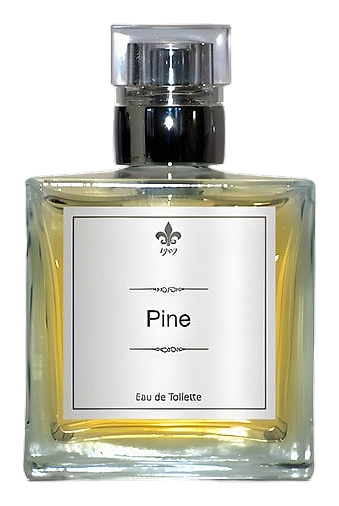
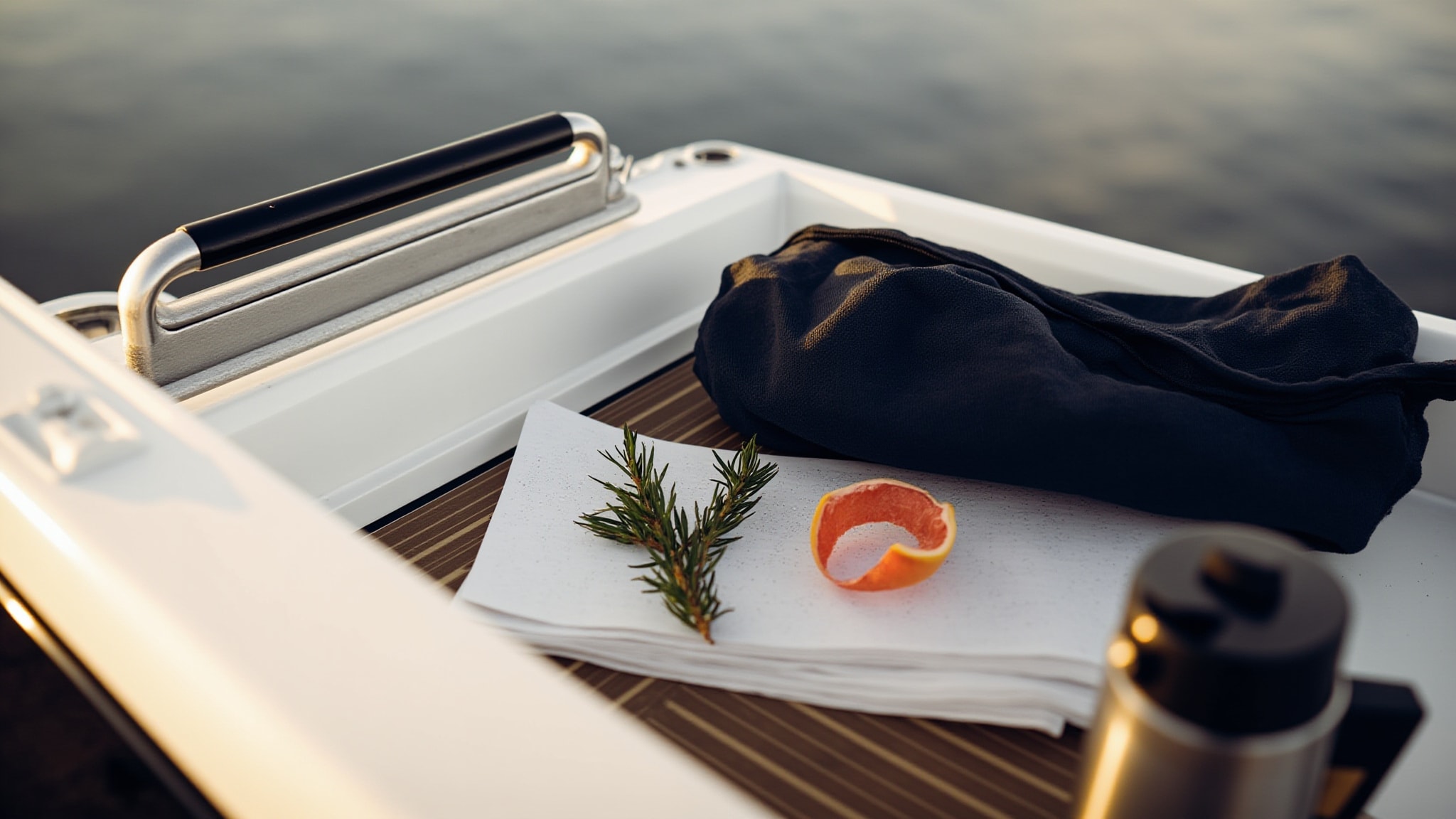
Pine belongs to 1907, a house that takes a single botanical idea and explores it with restraint. The brand's own description paints Pine as a portrait of a relaxing day at sea, hand on the helm of a yacht, wind ruffling an open shirt, the mood set for discovery. It is a fragrance built around a feeling, not a place that exists on any map. The scent leans heavily on its namesake material, treating pine as both a resinous and a green presence rather than a holiday-room air freshener. Grapefruit and Calabrian bergamot open with a sharp, almost astringent brightness, the kind of citrus that reads cold and clean before settling into the warmer tones beneath. Elemi and black pepper thread through the middle, adding a lemony, incense-like haze that softens the pine without burying it.
What makes Pine worth examining is its chypre architecture dressed in summer clothes. Oakmoss and bergamot form the classic chypre spine, but the house swaps the expected florals for freesia and wraps the whole structure around pine resin and elemi. The result reads fresh and outdoorsy on first spray, then reveals a more deliberate, mossy structure underneath. It is a chypre that forgot to be stuffy.
The evolution
The first fifteen minutes are loud and bright. Pine resin, grapefruit, and Calabrian bergamot hit with a sharp, almost astringent energy, like cracking a green branch in half. The sea notes sit underneath, not as a clean aquatic but as something slightly humid, the smell of water on warm stone. Within thirty minutes, the black pepper and elemi arrive and the composition pivots from sharp to resinous. Elemi adds a lemony, incense-like haze that softens the pine without burying it. Cedar and freesia keep the middle phase from going too dark, the freesia lending a soft, almost suede-like floral quality that rounds out the sharper edges of the pepper. As the hours pass, the pine resin slowly loses its topmost brightness and settles into something warmer, more like the smell of sun-warmed wood shavings than fresh-cut branches.
Cultural impact
Pine fits naturally alongside other contemporary explorations of green and resinous territory, the kind of fragrance that talks to wearers tired of heavy ambers and gourmand sweetness. Where many modern releases reach for sweetness or synthetic freshness, Pine holds a more naturalistic line, reading like a walk through a forested coastline rather than a styled studio shot of citrus. The combination of pine, sea notes, and oakmoss puts the scent in conversation with classic chypre structure, but the modern material palette keeps it from feeling archival.