
The Story
Why it exists.
The beginning
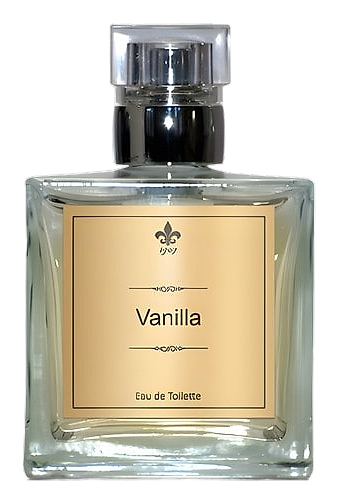
Vanilla arrived in 1907's catalogue the same year the house launched, one of four debut compositions alongside Verbena, Ambrette, and Jasmine. Eva Škovranová built it around a single question: what happens when you let vanilla be the subject rather than the backdrop? The composition refuses to treat it as a base note waiting to be discovered. Instead, the vanilla is the point of departure, and everything else orbits it, the florals lifting it, the coconut softening it, the sandalwood grounding what could have become saccharine. The result is a fragrance that earns its name without hiding behind it.
The pyramid places white florals at the heart rather than buried in the base, an unusual move for a vanilla-centered fragrance. Jasmine, heliotrope, lily of the valley, and Turkish rose don't accompany the vanilla so much as they interrogate it. Heliotrope brings its signature almond-iris powder that amplifies the vanilla's softness. Ylang-ylang adds a waxy, almost fruity warmth that keeps the coconut from reading as sunscreen and the florals from reading as traditional. The result is a vanilla that remembers it grew in a pod, green, slightly bitter, undeniably vegetal beneath the sweetness. Australian sandalwood and white musk then do what bases do: they make the whole thing last.
The evolution
The opening arrives quietly. Coconut water and orange blossom unfold close to the skin, bright, creamy, with a green undertone that earns the ylang-ylang its place. No explosion, no announcement. Within twenty minutes, the florals take over. Jasmine and rose bloom into a white-floral heart that pushes the vanilla further down without erasing it. The heliotrope is the tell here, that almond-powder softness becomes the dominant character, turning the fragrance from sweet to something more abstract. By the third hour, the base arrives: sandalwood and white musk holding the vanilla like a memory. The drydown isn't dramatically different from the heart, it's the same powdery warmth, just settled, closer, lasting another four or five hours on most skin.
Cultural impact
Vanilla by 1907 arrived at a pivotal moment in niche perfumery. By 2014, the niche segment had grown from a collector's curiosity into a legitimate fragrance category, and houses like 1907 played a role in that expansion. The Slovak brand's approach, transparent materials, accessible pricing, and single-note compositions that invited close study, resonated with a growing audience that valued authenticity over luxury marketing. Vanilla, in particular, became a gateway scent for those new to niche, proving that complexity could exist without overwhelming projection or an impenetrable drydown. This democratization of niche perfumery marked a cultural shift in how fragrances were discussed and evaluated.