The Story
Why it exists.
The beginning
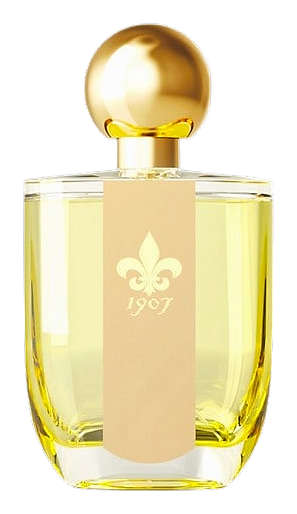
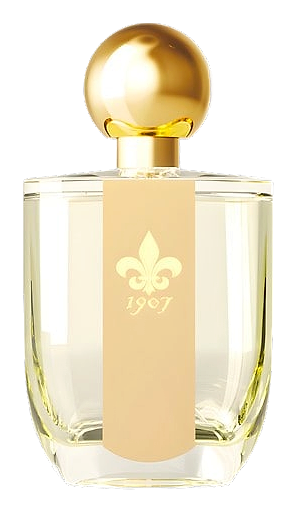
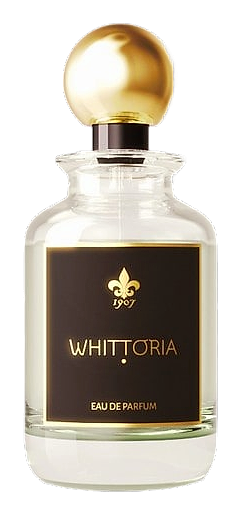
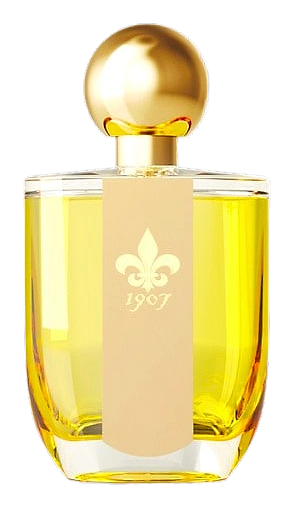
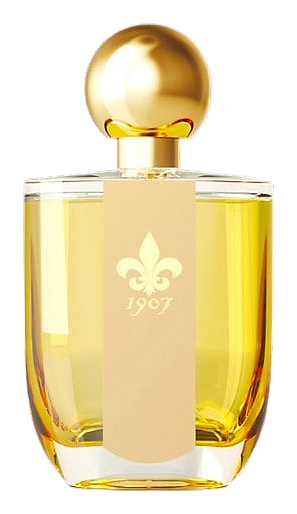
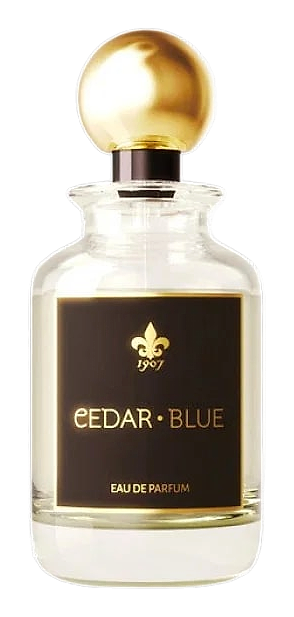
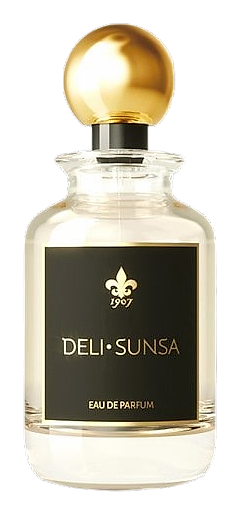
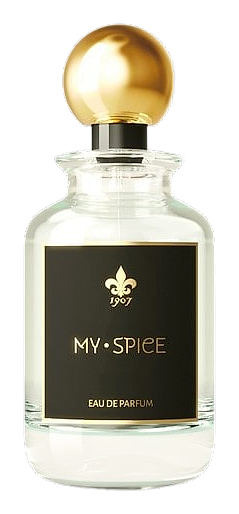
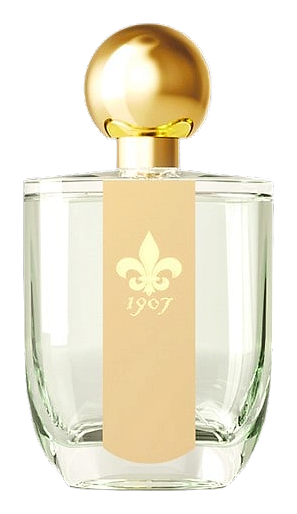
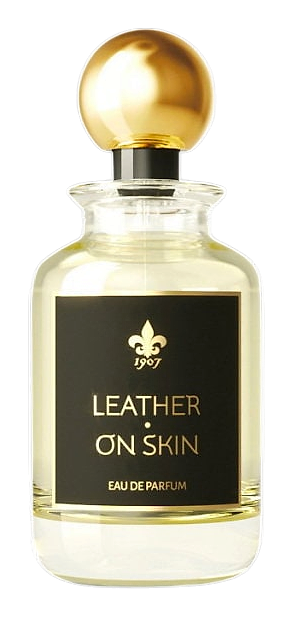
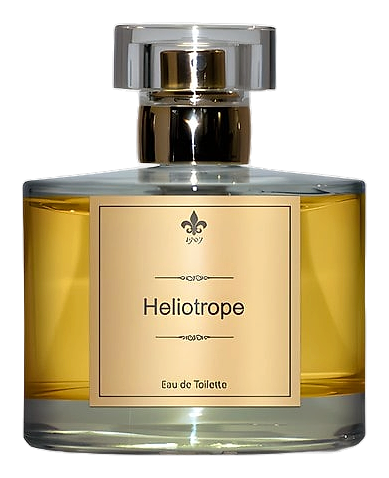
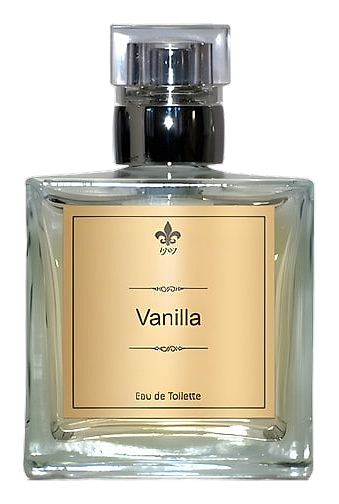
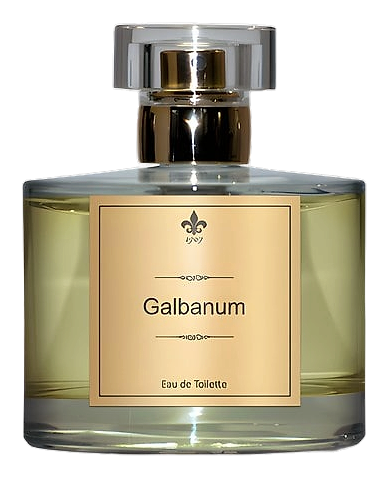
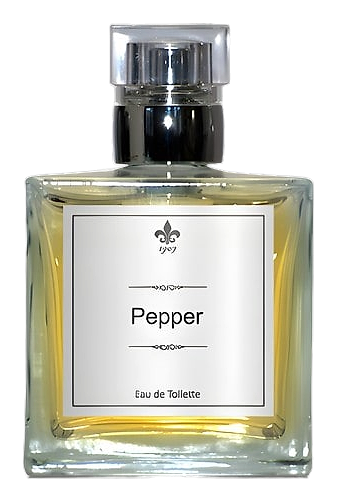
Pepper arrived as part of 1907's catalog, a Slovak niche house run by Eva Škovranová. Where many houses reach for spectacle, this one tends toward the structural and the considered. Pepper took a different angle. Instead of isolating a single botanical, it interrogated a family: the peppers. Not one expression of spice, but three, held in conversation across the pyramid. Pink pepper, black pepper, and white pepper each take a turn in the architecture, and the fragrance lets them argue politely without letting any one of them shout. Named simply, the way 1907 names everything, after the idea itself rather than dressing it up in mythology or geography. The bottle bears the same restraint.
The composition is unusual in its restraint with oud. Oud appears in the heart, which signals a lighter touch than what many spicy compositions attempt. Indonesian patchouli and New Caledonian sandalwood do the structural work, anchoring the spice without burying it. Guatemalan cardamom leads the top, bringing a brightness that opens the door before the heavier notes arrive. The result is a composition that explores the pepper family from multiple angles rather than collapsing into a single hot-spice statement.
The evolution
The first spray lands bright and immediate. Guatemalan cardamom opens with a clean warmth, while pink pepper adds a lift that keeps things from going dark too soon. The opening reads as the spiciest moment in the entire wear, and it sets expectations that the rest of the composition will soften. As the minutes pass, the composition tilts downward. Indonesian patchouli surfaces with its earthy warmth, that soil-after-rain quality that patchouli carries when it's not overdone. New Caledonian sandalwood arrives in the middle stretch, adding a creamy dimension that fills in the gaps between the spice and the wood. The oud reveals itself gently, present but never loud, contributing a depth that reads more like a shadow than a statement. The white pepper in the drydown is the surprise. It keeps its heat while the other notes settle, and it holds onto a clean warmth that rounds out the close.
Cultural impact
Pepper occupies a specific place in 1907's catalog, a composition that takes a common fragrance family, spice, and treats it with a level of structural care that the category rarely receives. The fragrance sits within a small-batch European context, made in limited numbers and distributed primarily through niche channels. The three-pepper structure, with pink, black, and white pepper each taking a role in the pyramid, is a deliberate architectural choice that distinguishes it from typical spicy releases.