
The Story
Why it exists.
The beginning
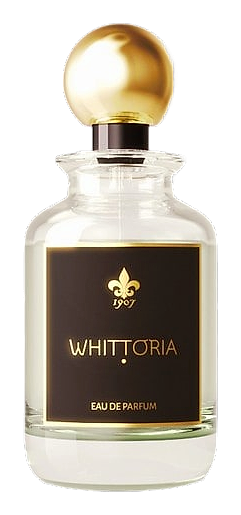
Whittoria arrived in 2020 as part of 1907's Fragment collection, a series of single-thought compositions that strip a fragrance down to its essential idea. The name itself is a clue: 'Whit' points to clarity, to cleanliness, to something unburdened. The brand's own description is unusually direct about intent: 'The scent of a woman and the victory of femininity.' It's not a subtle statement. The house built Whittoria around that premise, clean enough to be approachable, special enough to be unmistakable.
The 'white' in the name isn't decorative. White flowers, orange blossom, jasmine, carry a specific weight in perfumery. They're not background players. They're declarations. Apple adds a quiet sweetness that makes the florals feel less precious, more grounded. Myrrh grounds everything further, adding resinous depth that prevents the composition from floating away entirely. The result is a fragrance that smells clean without smelling simple, feminine without smelling sweet.
The evolution
The opening hits fast, citrus oils flash bright for the first minutes, then recede. What replaces them is the real story: orange blossom and jasmine arriving together, their sweetness softened by apple's fresh edge. There's a warmth underneath that reads as skin-warm, not perfume-warm. The drydown takes its time. Vanilla and tonka bean emerge slowly, threading through white musk and amber to create something powdery and close. Cedarwood, patchouli, and myrrh arrive last, adding a woody-resinous base that lingers on fabric long after the skin phase ends. The payoff is intimate and persistent, 8-10 hours on most skin types, moderate sillage that stays within arm's reach rather than filling a room. The next morning, a trace remains on skin and clothing, a quiet reminder.
Cultural impact
Whittoria occupies a specific space in the niche market, feminine without being saccharine, clean without being clinical. The brand's positioning as fragrance-as-inquiry attracts collectors who value clarity of concept over mythology. It's not trying to compete with mainstream flankers or status-signaling luxury; it's speaking to someone who wants to understand what they're wearing and why.