
The Story
Why it exists.
The beginning
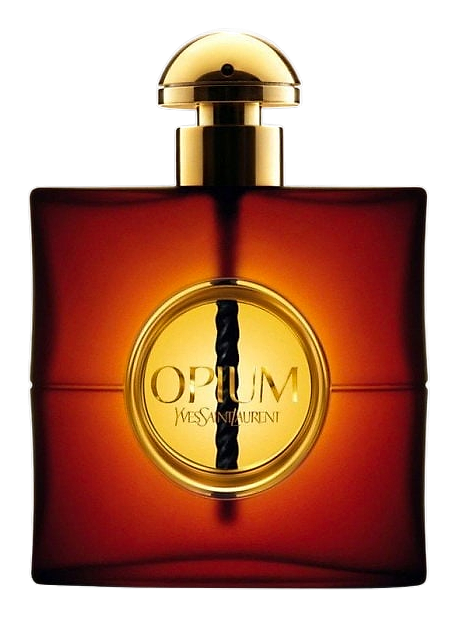
In 2009, the house behind Opium reached back into its own archive with a new assignment for perfumer Antoine Maisondieu. The brief was simple enough to write and difficult enough to execute: build a new version of a fragrance that still carries enormous cultural weight, without diluting what made the original recognizable. Maisondieu's training shows in the construction. Where the 1977 original stacked dense fruity and sweet layers into something almost edible, the 2009 version pulls everything inward. The composition tightens around a different axis entirely, bright citrus facets at the opening pivoting hard into a resin core that dominates the heart. The result reads as modern, deliberate, and stripped of excess.
What makes this version compelling is how narrowly it defines its material palette. The published note pyramid lists only bergamot, mandarin orange, myrrh, jasmine, opoponax, and amber, which is a remarkably short list for an oriental of this stature. Myrrh and opoponax are the structural pillars here. Both belong to the resin family, both carry that bittersweet, slightly medicinal warmth you find in church incense and old pharmacy drawers. Their pairing creates depth without sweetness, warmth without excess.
The evolution
The opening behaves almost like a permission slip. Bergamot and mandarin arrive first, bright and clean, doing the work of citrus at its most functional: clearing the air, setting a neutral stage. The citrus phase is genuinely short, almost polite in how quickly it steps aside. Then the composition pivots, and the resins take command. Myrrh enters with a cool, smoky weight that feels both ancient and immediate, the kind of scent that conjures stone walls and wood smoke without trying. Jasmine threads through the resin accord, indolic and slightly creamy, and refuses to let the fragrance collapse into pure incense. As the hours pass, opoponax asserts itself, sweet-balsamic and rooty, pulling the composition toward something almost edible without ever crossing into gourmand territory.
Cultural impact
The 2009 Opium arrives carrying the full cultural weight of its name, which is both its strongest asset and its biggest challenge. Anyone familiar with the Opium lineage approaches this bottle with expectations built over decades, and the new composition has to earn its place in that conversation. It does so by behaving like a completely modern fragrance that happens to wear the same name, rather than a costumed imitation of the original. The scent feels deliberate and architectural, the kind of fragrance people wear when they want their cologne to say something about them without speaking for them.