The Story
Why it exists.
The beginning
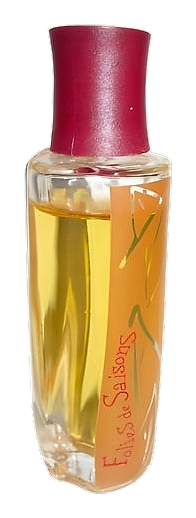
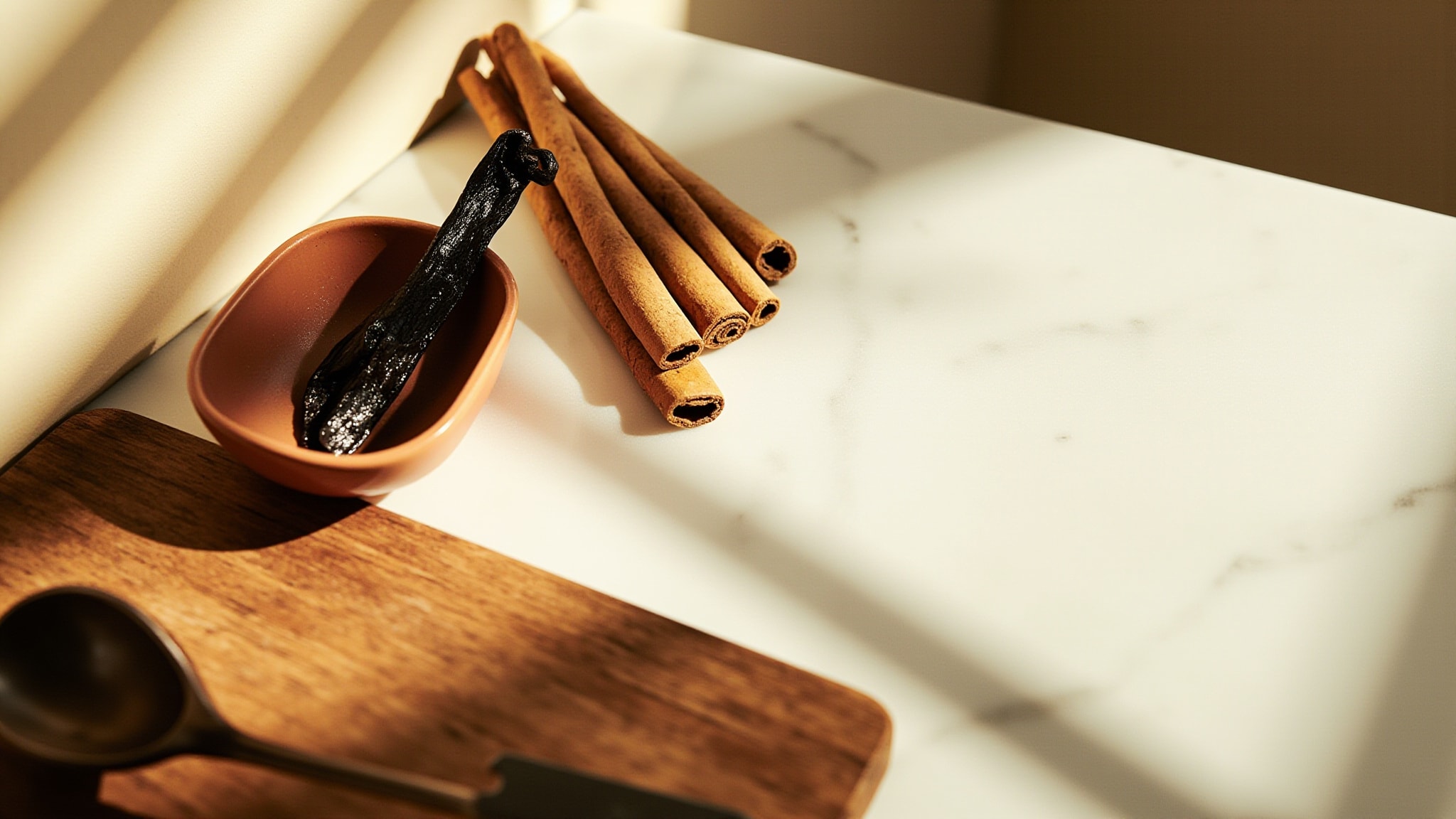
Folies de Saisons Délires d'Automne arrived in 1997 as part of Yves Rocher's seasonal collection, the Folies de Saisons line, designed to translate the feeling of each season into fragrance form. Autumn was the natural fit for a house built on botanical warmth and accessible French sensibility. The name suggests autumn as something visceral, the first cold mornings, the instinct to reach for warmth, the moment the air shifts. Cinnamon and ginger were chosen for their heat, warmth that provides comfort as the temperature drops. Vanilla and resin provide the depth that makes a scent feel inhabited rather than worn. The composition draws on the house's tradition of botanical ingredients, selecting spices and botanicals that have been part of the brand's heritage.
What makes Délires d'Automne stand apart is the way it commits to the seasonal premise without restraint. Many fragrances name themselves after a season and deliver something generic. This one earns its title, the ginger in the opening arrives with a sharp, direct quality, the kind of spice that announces itself before you expect it. Then the warmth arrives and doesn't leave. The vanilla is present throughout, the thing that holds the cinnamon and ginger together so they don't scatter. Cinnamon continues to thread through the blend, keeping the vanilla from becoming too soft.
The evolution
The opening announces itself with purpose. Ginger arrives first, bright and almost aggressive, a clean heat that cuts through whatever air surrounds you. Within minutes, cinnamon joins, and the two spices begin to temper each other into something warmer, rounder, less about sharpness and more about presence. The transition is quick, which is surprising for a fragrance that opens so assertively. By the time you stop checking, the vanilla has already settled in as the dominant note. This is where the fragrance lives longest, in that warm, spiced vanilla middle stage that smells like something sweet that hasn't forgotten it's also oriental. The drydown is where it earns its name. Woody notes emerge slowly, threading through the vanilla rather than replacing it. Musk lifts everything off the skin slightly, creating a creamy trail that stays intimate and close. On fabric, the vanilla and woody notes persist well past the point where you'd expect the fragrance to have finished.
Cultural impact
Scents featuring cinnamon and ginger often connect to culinary heritage, evoking the same spices used in traditional autumn pastries and mulled wines. These edible notes reflect a broader cultural appreciation for sensory pleasure and the way scent can mark the passage of seasons. The combination of warm spices and sweet vanilla creates a recognizable olfactory language that many find comforting during cooler months. Fragrances in this style tend to prioritize warmth and comfort, using ingredients that have long associations with autumnal cooking and seasonal traditions.