
The Story
Why it exists.
The beginning
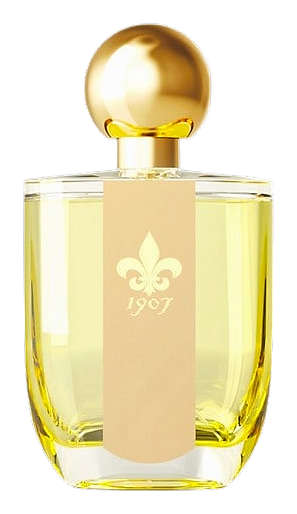
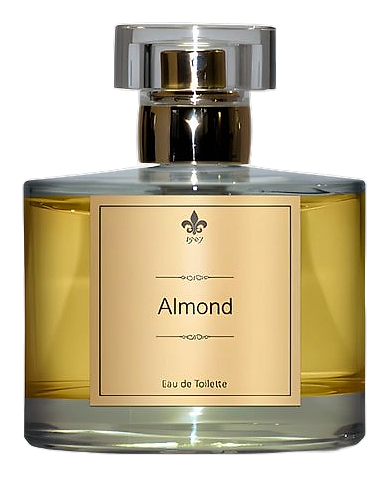
Almond arrived in 2014 as part of an early slate of releases from 1907. The fragrance is built around a single aromatic accent, and the name tells you the thesis. A note from the brand frames the composition around a portrait it still uses to describe it: a woman who is always well-groomed, precise in every detail, authoritative in her movements, reserved on the surface but fragile and soft underneath. The almond is not a snack here. It is the polished exterior of someone who has thought about what she is wearing and why. The composition carries the house's preference for a clear single idea executed without ornament, a quiet statement that trusts the central note to carry the room without shouting over it.
What makes this composition worth a second look is the tension between the marzipan opening and the earthy architecture underneath. Italian mandarin, Brazilian orange and Calabrian bergamot push the citrus high, lending brightness and lift to the first contact with skin. The Indonesian patchouli in the base refuses to let the sweetness stay sweet, anchoring the composition in something darker and more grounded. The heliotrope is deployed with restraint, enough to round the marzipan without turning it into pastry, giving the almond its soft, slightly powdery halo.
The evolution
The first fifteen minutes are the loudest. Almond paste and Sicilian lemon arrive together, bright and slightly powdery, the marzipan sweetness lifted by Italian mandarin and Calabrian bergamot. The Brazilian orange adds a fleshy juiciness that keeps things from going too nutty, lending a ripe roundness to the citrus accord. By the thirty-minute mark the white florals begin to surface: Egyptian jasmine, Moroccan orange blossom, Turkish rose, and lily of the valley settle in around the heliotrope, which is doing quiet work to keep the almond's cherry-pit edge legible. The patchouli is present from early on but stays in the back room, more of a gravitational pull than a statement, a shadow rather than a silhouette. Two hours in, the composition has shifted into a soft, mossy warmth.
Cultural impact
Almond does not lean fully into the gourmand category, and that decision shapes everything about how the composition wears and reads. The Indonesian patchouli and oakmoss give it a grounded, mossy character that sets it apart from sweeter almond-driven fragrances that lean on sugar and cream. The result is a fragrance that wears the comfort of almond without surrendering to it, the marzipan note acting as a soft centerpiece held in place by darker, more architectural materials. The white florals and citrus oils do the lifting in the first hour, while the patchouli, sandalwood, cedar and moss do the holding later on.