The Story
Why it exists.
The beginning
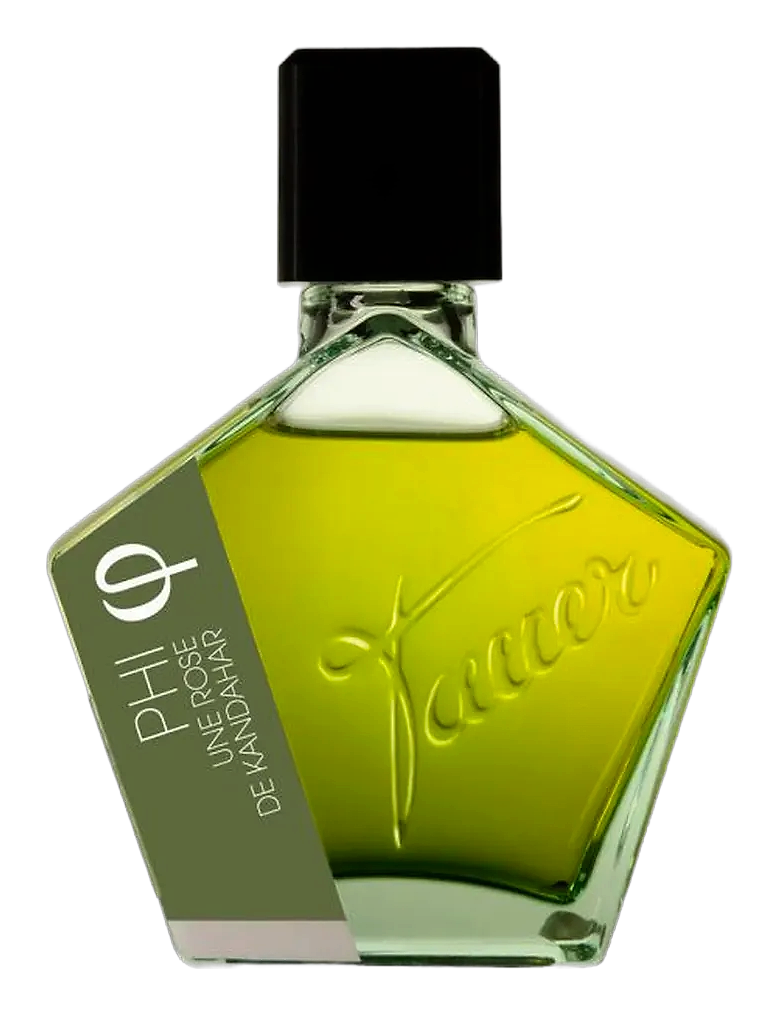
Andy Tauer founded his house in 2005, self-taught, driven by obsession rather than convention. When he encountered rose oil from Afghanistan's Nangarhar province, grown in dry, rocky soil, pressed from roses cultivated for centuries along the incense route, he found something different from the Bulgarian or Turkish varieties that dominate perfumery. This one carried an austere, almost bitter quality. Not delicate. Not soft. He built the rest of the fragrance around that contrast, creating a rose that refuses to be polite.
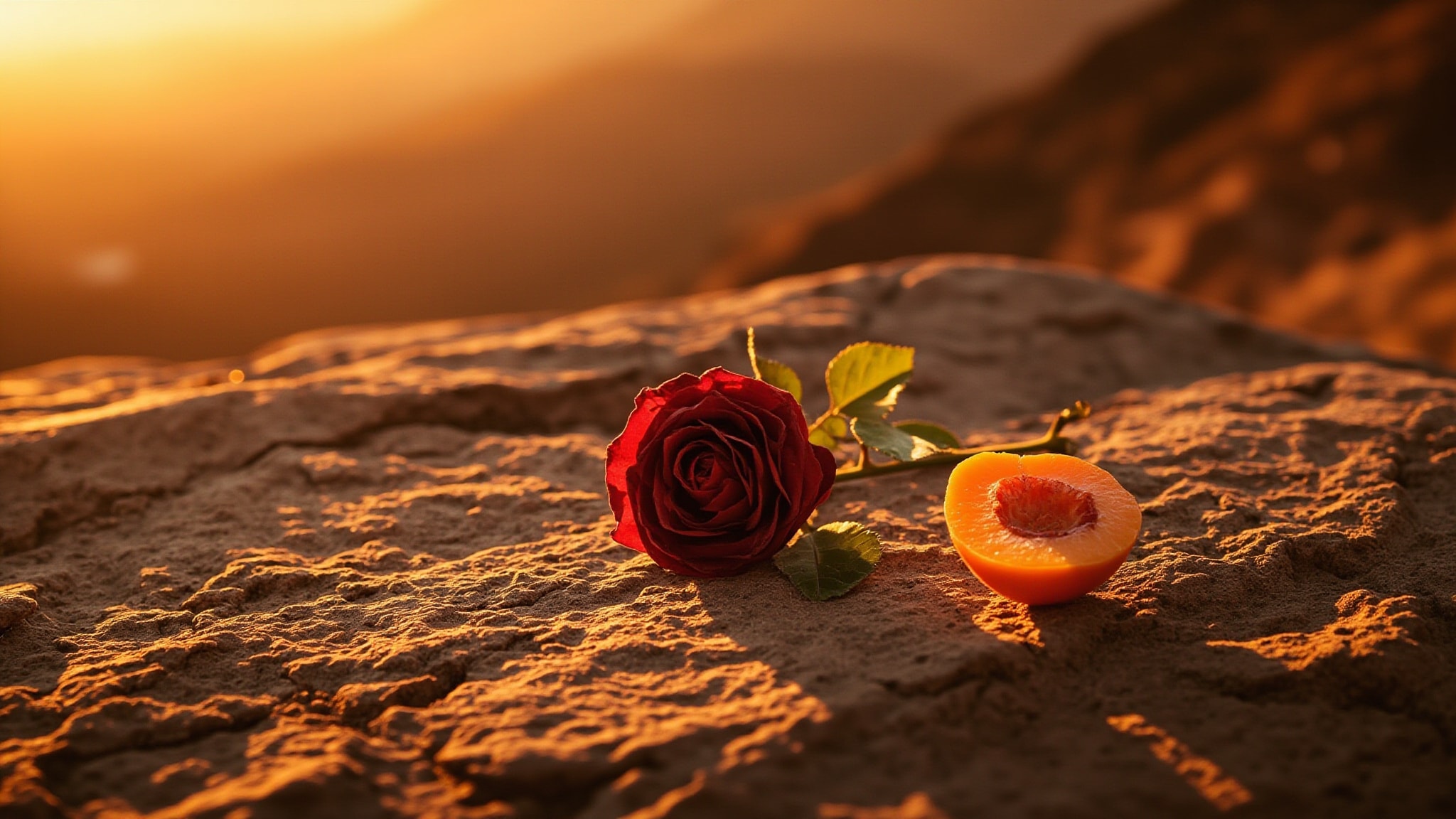
The Kandahar rose doesn't smell like the roses in most perfumes. It grows in harsh, rocky terrain, the kind that forces roots deep and takes what it can from the soil. That stress produces an oil with a different character: drier, more complex, with an almost vegetable intensity that Bulgarian rose can't match. Andy Tauer didn't try to soften it. He paired it with tobacco leaf and geranium, materials that push back, that refuse to let the rose become pretty. The ambergris in the base is rare. Most houses skip it entirely for cost and complexity.
The evolution
The apricot arrives first and doesn't apologize for itself. Rich, almost jam-like, carried on a wave of almond and a hint of bergamot. For about fifteen minutes, it's almost too much, then the rose takes over. Not the rose you expected. Tobacco leaf walks alongside it, adding a dry, slightly bitter counterpoint that keeps the florals from becoming soft. Geranium appears in the background, adding an herbal edge that makes the whole composition feel less like a picture and more like something alive. By hour two, the base begins to surface. Patchouli and vetiver ground everything, earth, slight bitterness, the kind of depth that prevents sweetness from becoming cloying. Vanilla and tonka warm the finish. The ambergris doesn't announce itself, it shows up quietly, adding a salted warmth that makes everything feel intimate. Close to skin. The kind of presence that requires proximity. On clothing, it can last into the next day.
Cultural impact
PHI Une Rose de Kandahar arrived in 2013 as a statement about sourcing and provenance in luxury perfumery. By centering Afghan rose cultivation, an ancient tradition along the incense route, the fragrance brought visibility to a region where rose farming sustains rural communities. The 2013 release challenged the perfume industry's typical emphasis on French or Italian heritage, positioning itself as an intellectual alternative to mainstream rose perfumes. Wearers and critics noted that the fragrance's austere character resisted the sweet rose conventions of its era, making a case for Middle Eastern botanical pedigree as a mark of authenticity rather than novelty.