Almond paste
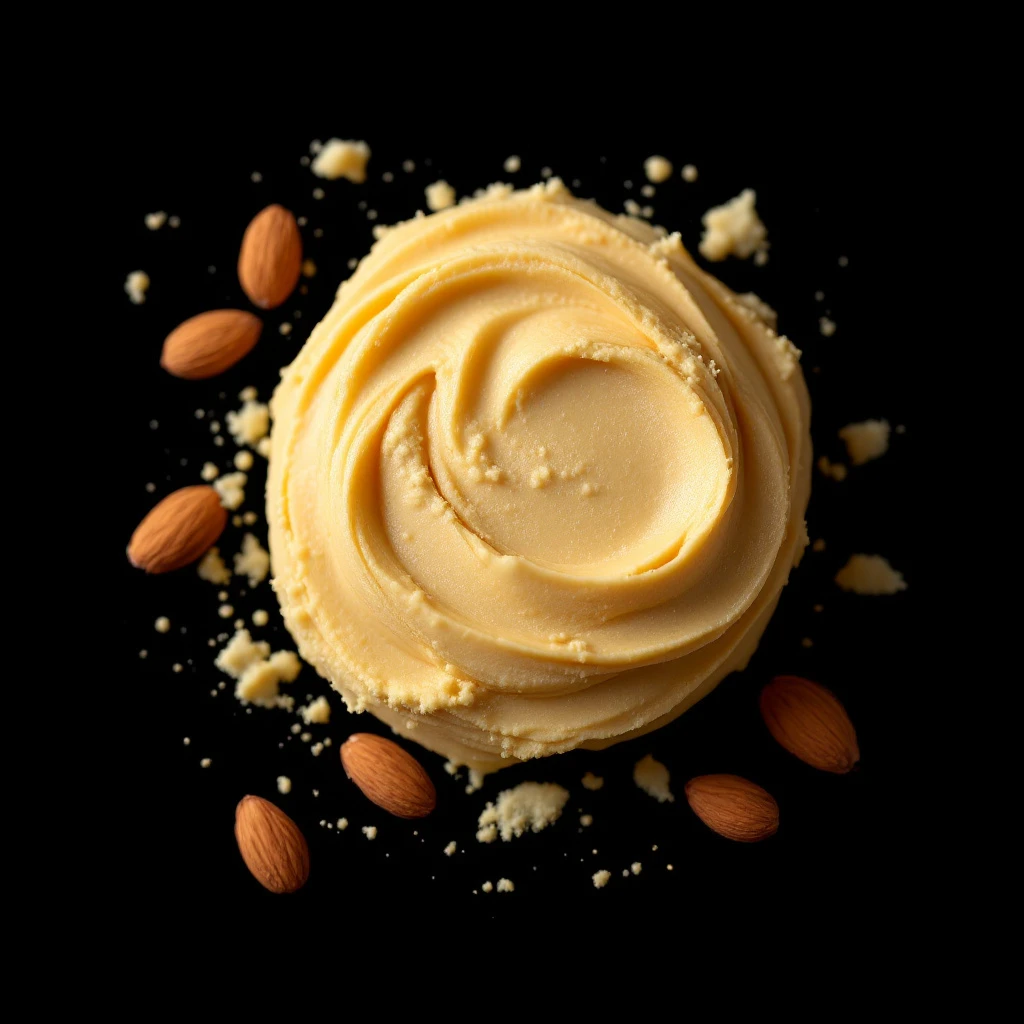
Almond paste brings the comforting warmth of ground almonds sweetened into a dense, fragrant paste. In perfumery, it translates into a rich, gourmand note that evokes marzipan and amaretto, creating emotional depth that feels both nostalgic and sophisticated.
Character
How it smells
The sweet, edible essence of comfort and tradition.
The same benzaldehyde compound responsible for almond scent also gives bitter almonds their distinctive character and slight cyanide traces.





Origin
Iran
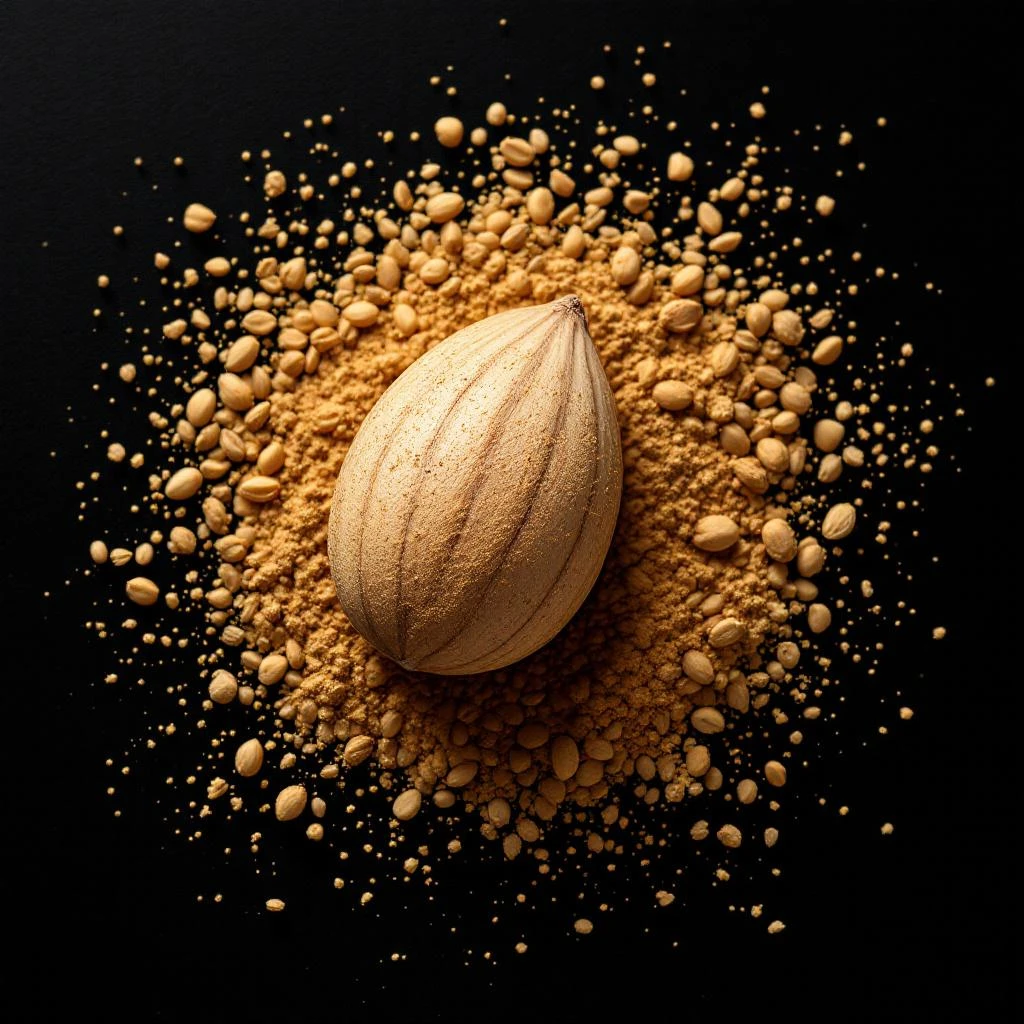
Almonds rank among humanity's oldest cultivated nuts, with evidence of use stretching back to the 3rd century BC, likely originating in the Middle East before spreading along Mediterranean trade routes. The Romans prized almonds as sacred offerings and practical provisions, carrying them across their empire as both currency and sustenance. Spanish conquistadors later introduced almonds to California, where the Central Valley's dry summers and fertile soil proved ideal, eventually making the state the world's largest almond producer.
In perfumery, almond notes gained prominence during the 19th century when organic synthesis allowed chemists to isolate and recreate benzaldehyde's distinctive scent without relying solely on bitter almond kernels. Today, the almond note bridges culinary tradition and modern fragrance artistry,appearing in everything from oriental fragrances to fresh, clean fragrances meant to evoke comfort and familiarity.
Wears it best
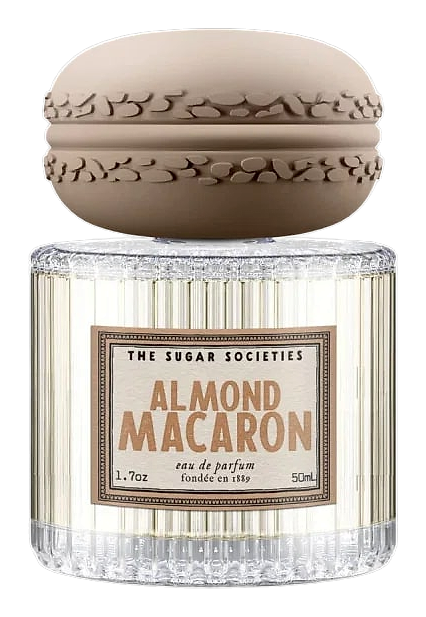
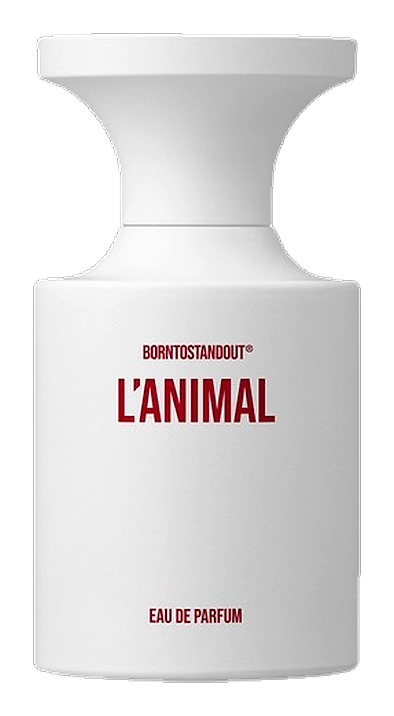
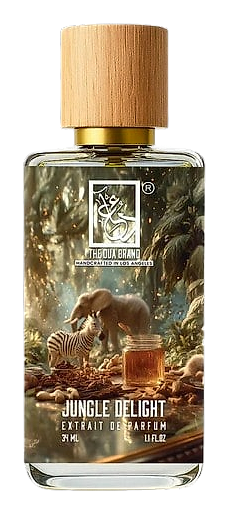
Fragrances featuring Almond paste
Brands
Brands known for Almond paste
Good to know
Questions, answered
The essentials on Almond paste in perfumery: how it smells, where it comes from, and how it behaves on skin.
What does almond paste smell like in perfume?
Almond paste in fragrance presents as warm, sweet, and nutty with a distinctive marzipan quality. It carries subtle bitter undertones that add depth, preventing the note from feeling purely sugary.
Is almond paste in perfume natural or synthetic?
Both. Natural sources include cold-pressed almond oil from kernels, while synthetic alternatives like benzaldehyde, heliotropin, and benzyl acetate reliably recreate the note.
What family does almond paste belong to in perfumery?
Almond paste falls under gourmand and oriental fragrance families. It pairs frequently with vanilla, tonka bean, and warm spice notes to enhance sweetness.
Which famous perfumes feature almond paste as a key note?
Almond paste appears in numerous fragrances including Amaretto-forward compositions and oriental fragrances where it adds warmth and emotional depth to drydowns.
Does almond paste have any historical significance in fragrance?
Almonds were used as natural fragrances since ancient times, particularly in Egyptian and Mediterranean traditions. Modern almond perfumery emerged in the 19th century with organic synthesis.
Is the almond note in perfume safe for people with nut allergies?
Synthetic almond-scent molecules like benzaldehyde do not contain actual almond proteins, but fragrance compositions may still trigger sensitivities. Consult the full ingredient list.
What other ingredients complement almond paste in fragrance blends?
Tonka bean, vanilla, heliotropin, benzoin, and warm spices like cinnamon pair excellently with almond, creating rich oriental and gourmand compositions.
Why is apricot kernel mentioned in relation to almond scent?
Apricot kernels contain high concentrations of benzaldehyde, the same compound responsible for almond's characteristic scent, making them a natural source for extraction.